
Seasonal planning
Best Time to Visit Hoi An: A Local Guide to Weather, Crowds, and Lantern Nights (2026)
A local guide to the best time to visit Hoi An — month-by-month weather, full-moon lantern dates for 2026, flood season honesty, beach timing, and when to book your private tour.
May 17, 2026 · 10 min read
Last updated: 17 May 2026 — written by Fin, a local guide in Hoi An.
Quick answer
The best time to visit Hoi An is February to April. The Old Town is dry, mornings are cool, afternoons are warm but not punishing, and the river behaves itself. May to August is the second-best window if you want beach time and don't mind heat. Avoid mid-September to mid-November unless you accept that the Old Town can flood and some tours stop running for a day or two at a time.
- Feb–Apr — best overall. Dry, 22–30°C, low humidity, clear lantern evenings.
- May–Aug — best for beach, hottest in town. 30–35°C, short afternoon showers possible.
- Sep–Nov — rain and flood risk. Worth the price drop only if your dates are flexible.
- Dec–Jan — cool and quiet. 18–24°C, can drizzle for days, Old Town still beautiful.
If you only have one week to lock in, aim for any week between mid-February and late April.
Hoi An weather month by month
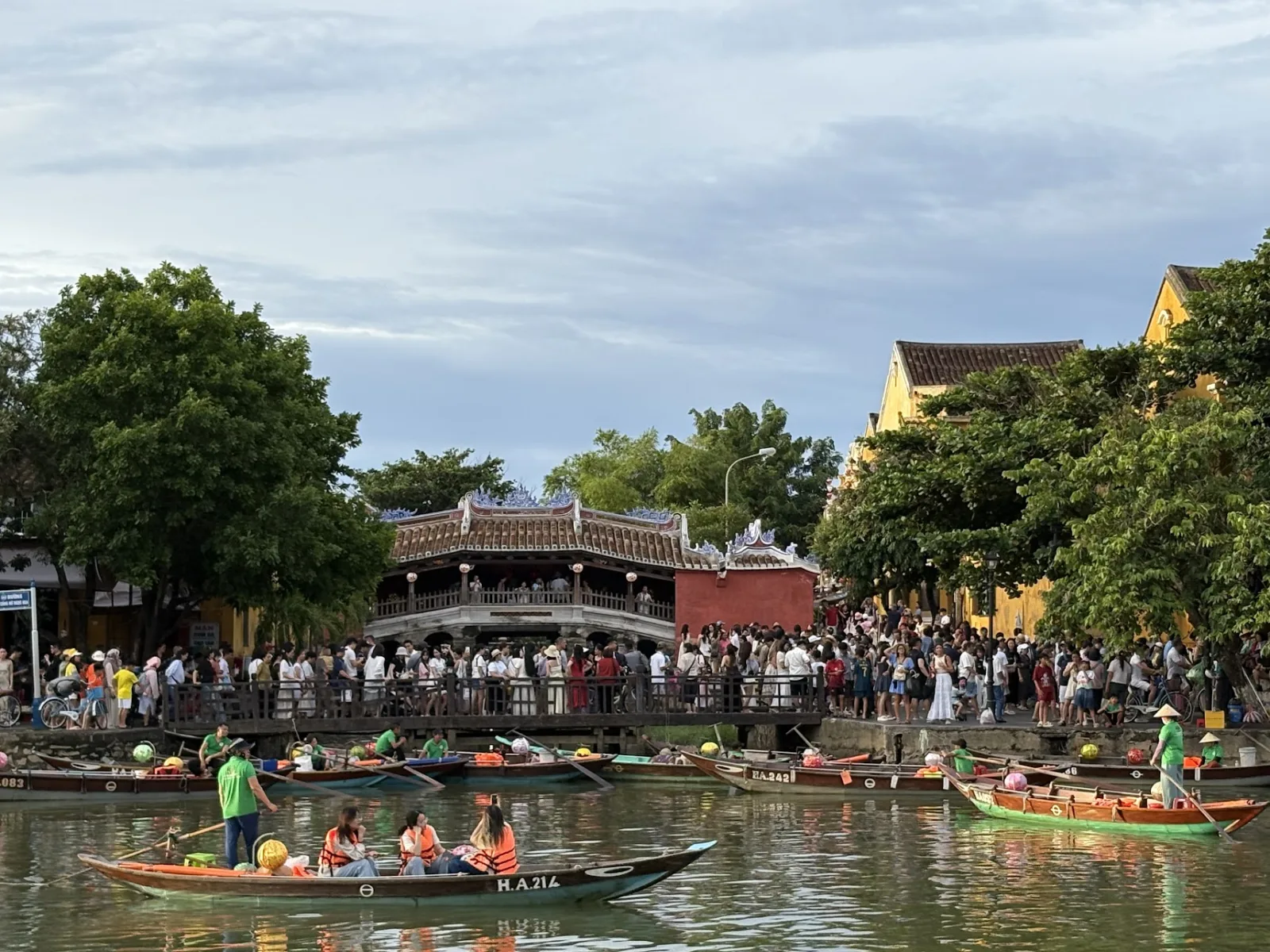
Hoi An sits on Central Vietnam's coast. The weather pattern here is not the same as Hanoi or Saigon — locals plan around two real seasons: a dry season (roughly Feb–Aug) and a wet season (roughly Sep–Jan, with the worst flooding in Oct–Nov).
February to April — the sweet spot
Cool mornings (18–22°C), warm afternoons (26–30°C), light wind, almost no rain. The riverside walking street is busy but not crushed. Lantern evenings are clear and dry. Tailor shops can deliver in 24–36 hours because fabric dries fast. This is when most of our repeat guests come back.
May to August — hot but reliable
Daytime sits at 30–35°C with high humidity. Mornings before 10am and evenings after 5pm are still pleasant. The beach (An Bang, Cua Dai) is at its best — calm sea, swimmable, lifeguards on. Short afternoon thunderstorms can pop up, usually for 30–60 minutes, then it's clear again. Walking tours start earlier (7:30am instead of 9am) and food tours move into the evening.
September to mid-November — rain and flood season
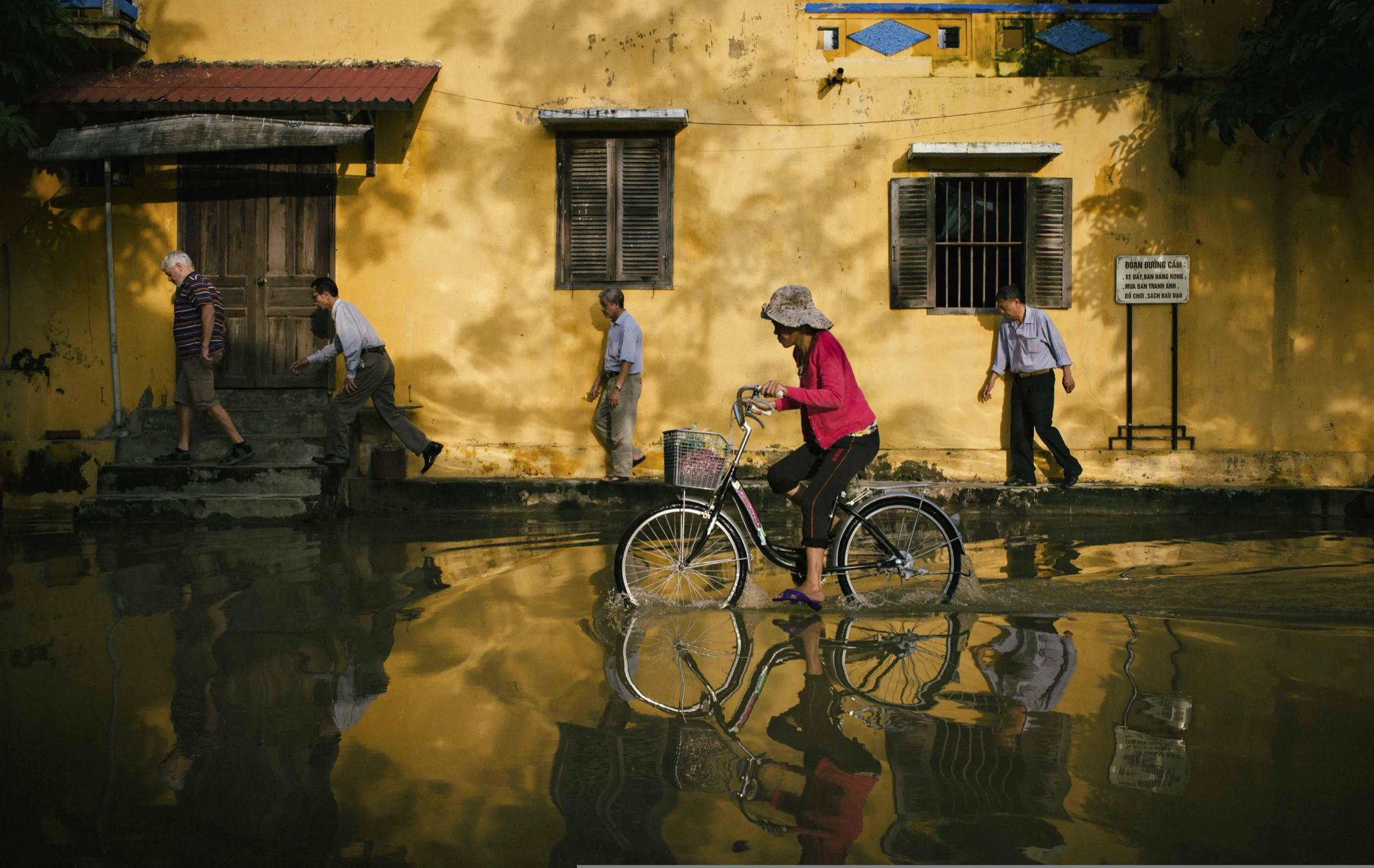
This is the honest part most travel sites skip. Hoi An's Old Town sits low — about 2 metres above the Thu Bon River — and during October and November the river can rise into the streets. In a normal year there are 2–4 short floods. In a typhoon year, water can reach 1–1.5m on Bach Dang Street and shops close for 2–4 days at a time. You can see the flood markers carved into the wall next to the Japanese Covered Bridge.
It is not dangerous if you stay aware of the forecast — locals move belongings up one floor, businesses keep running upstairs, and the water usually drops in a day. But if your trip is short, this is a real risk to plan around.
Late November to January — cool and quiet
Temperatures drop to 18–24°C and a fine drizzle can sit for several days. The Old Town empties out compared to peak season. Lantern evenings look beautiful in the soft mist. Bring a light jacket — many visitors are surprised it can feel cold on a riverside boat at night.
Best time for what you actually want to do

| Your priority | Best months | Why |
|---|---|---|
| Overall first trip | Feb–Apr | Dry, comfortable, lantern evenings reliable |
| Beach and swimming | May–Aug | Calm sea, warm water, lifeguards |
| Photography and clear skies | Mar–May | Best light, dry, fewer haze days |
| Cooler weather and fewer crowds | Late Nov–Jan | Lower prices, soft light, expect drizzle |
| Lantern festival full moon | Any month — see below | Happens monthly on the lunar 14th |
| Cycling and countryside tours | Feb–Apr, Oct (between rains) | Cooler temperatures, dry trails |
| Day trips to Hue or Hai Van Pass | Feb–Aug | Pass is fully open, low cloud risk |
| My Son sunrise tour | Feb–May | Clear mornings, no mist over the temples |
Lantern festival nights — the only date that really matters

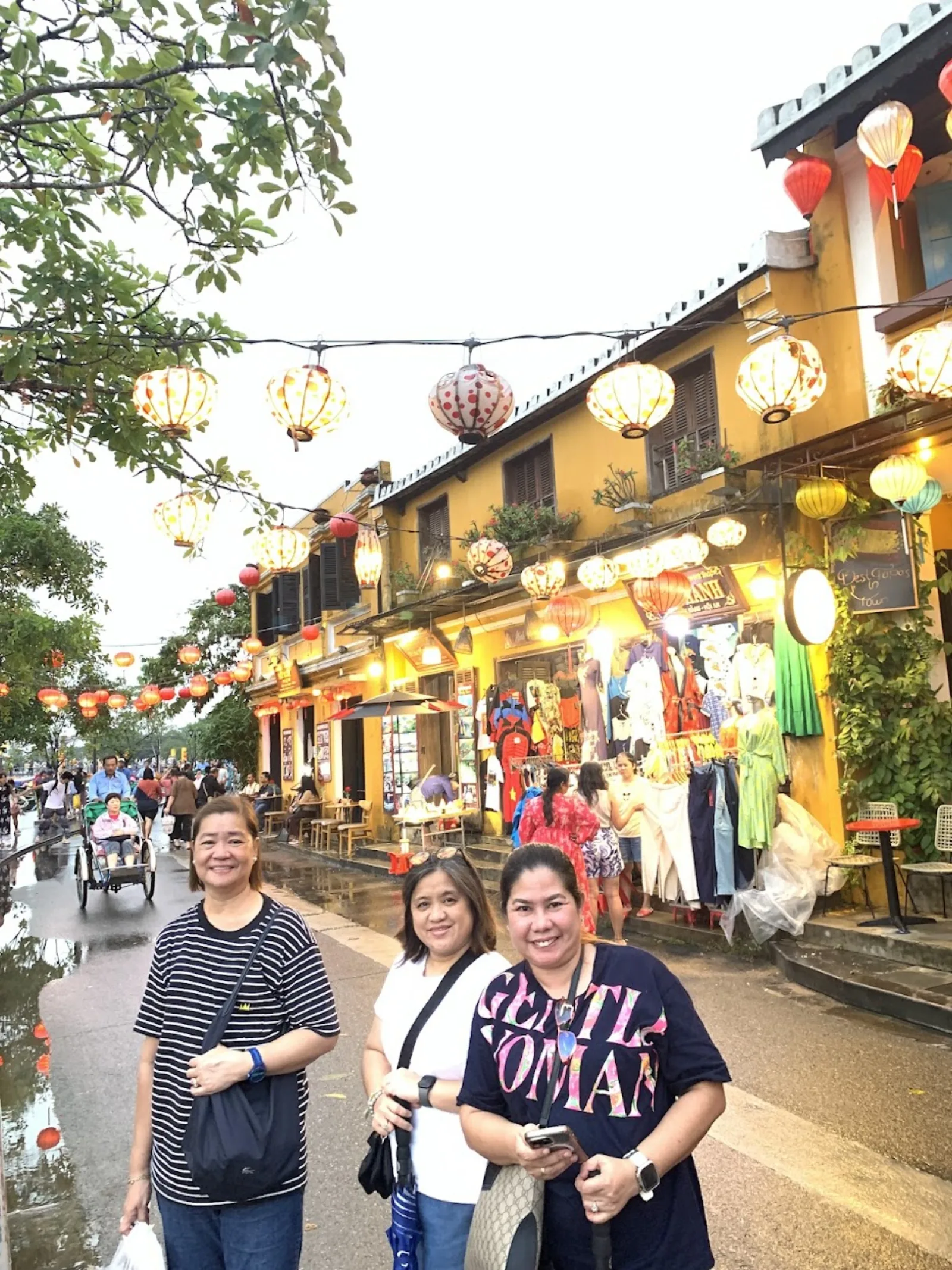
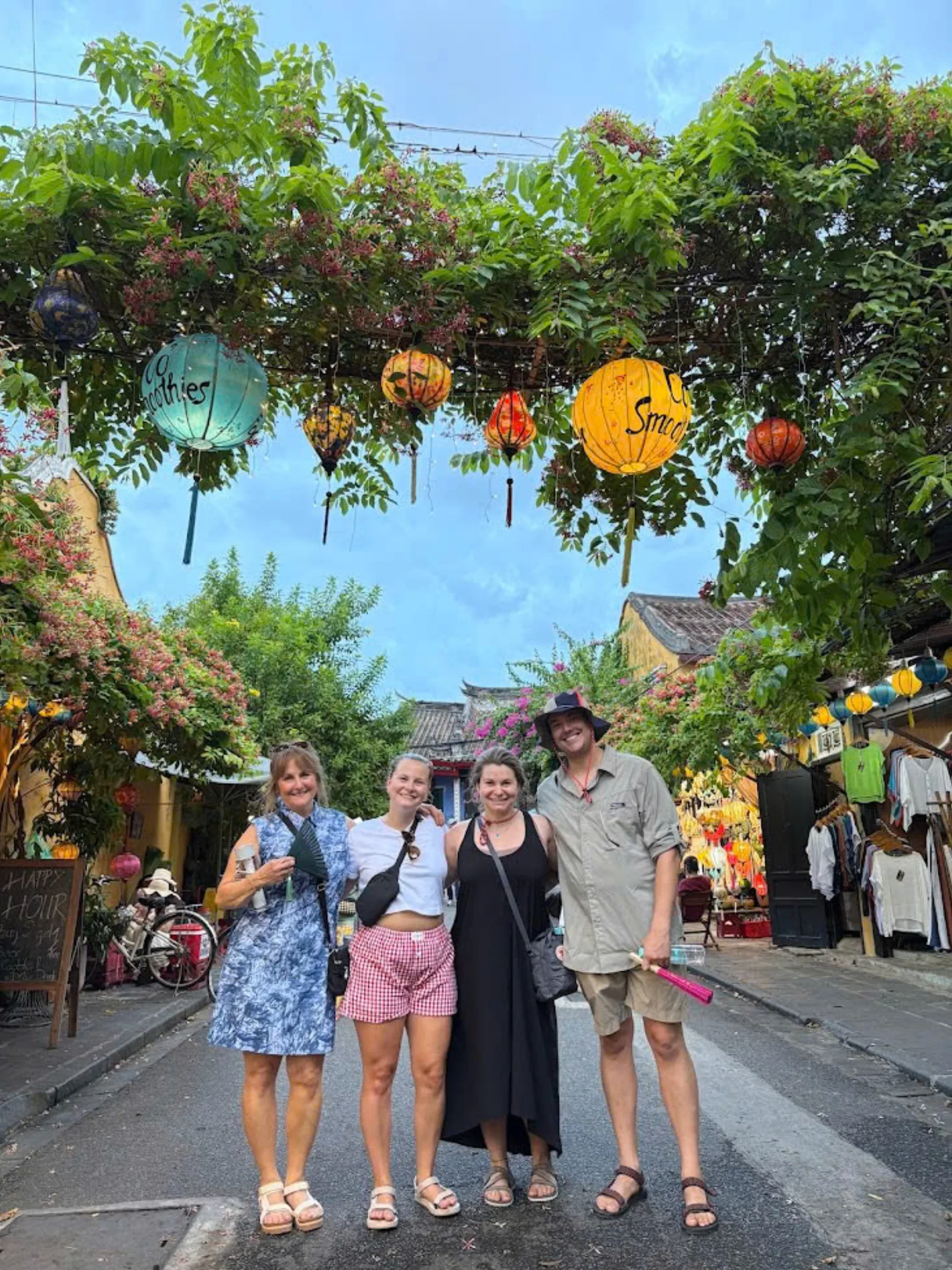
The Hoi An Lantern Festival happens on the 14th day of every lunar month, the night before the full moon. Electric lights in the Old Town are switched off, only paper lanterns are lit, and people release small lanterns onto the river.
If you want a lantern night, plan around these 2026 dates (all are the lunar 14th):
- 2 March 2026 — also overlaps the post-Tet quiet, very photogenic
- 1 April 2026 — peak dry season, ideal weather
- 30 April 2026 — long weekend in Vietnam, expect heavy domestic crowds
- 30 May 2026 — warm evening, light tourist load
- 28 June 2026 — summer, very busy
- 28 July 2026 — hot, busy
- 26 August 2026 — late summer, still hot but pleasant after sunset
- 24 September 2026 — start of rain risk, check forecast
- 24 October 2026 — flood risk, only book if forecast is clear
- 22 November 2026 — cooler, atmospheric, often calm
- 22 December 2026 — quiet, soft light, drizzle possible
If a lantern night matters to you, book your guide and a riverside dinner table at least two weeks ahead. Even non-touristy restaurants fill up on the 14th.
Tet (Lunar New Year) — what travellers usually get wrong
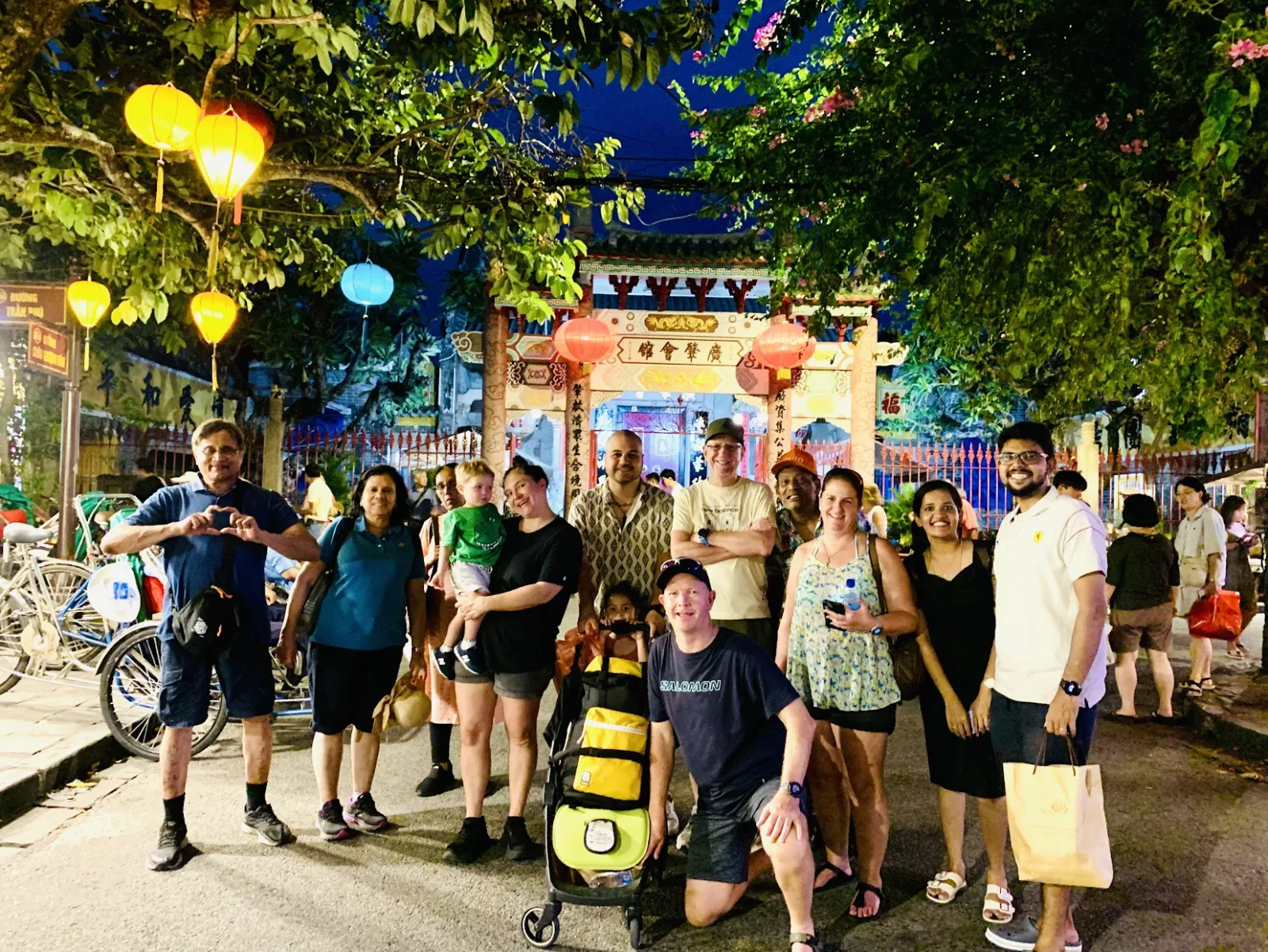
Tet falls on 17 February 2026. The week from about 14 to 21 February will feel different in Hoi An: many tailor shops and family restaurants close for 3–5 days, the Old Town is quieter than usual in the morning, and there are local pop-up events around the river in the evening.
Tet is not a bad time to visit — the weather is good and the atmosphere is special — but you should expect fewer open shops, slightly higher hotel prices, and a need to confirm any tour or transfer well in advance. We keep running tours through Tet, but with a reduced schedule.
When to book your tour, by season
- Peak (Feb–Apr, Jul–Aug): book 2–4 weeks ahead. Full moon nights and weekends sell out first.
- Shoulder (May–Jun, late Nov, Jan): 1–2 weeks ahead is usually enough.
- Wet season (Sep–mid-Nov, Dec): 3–5 days ahead works, and we recommend waiting until the 5-day forecast is clearer before locking dates.
At Fingo we don't run peak-season surcharges — the price you see on the private tours page is the price you pay, year-round. What changes is availability, not the rate. Popular picks: the Old Town walking tour for first mornings, the evening food tour for lantern-lit streets, and the countryside cycling tour for cooler months.
What if it rains during your trip?
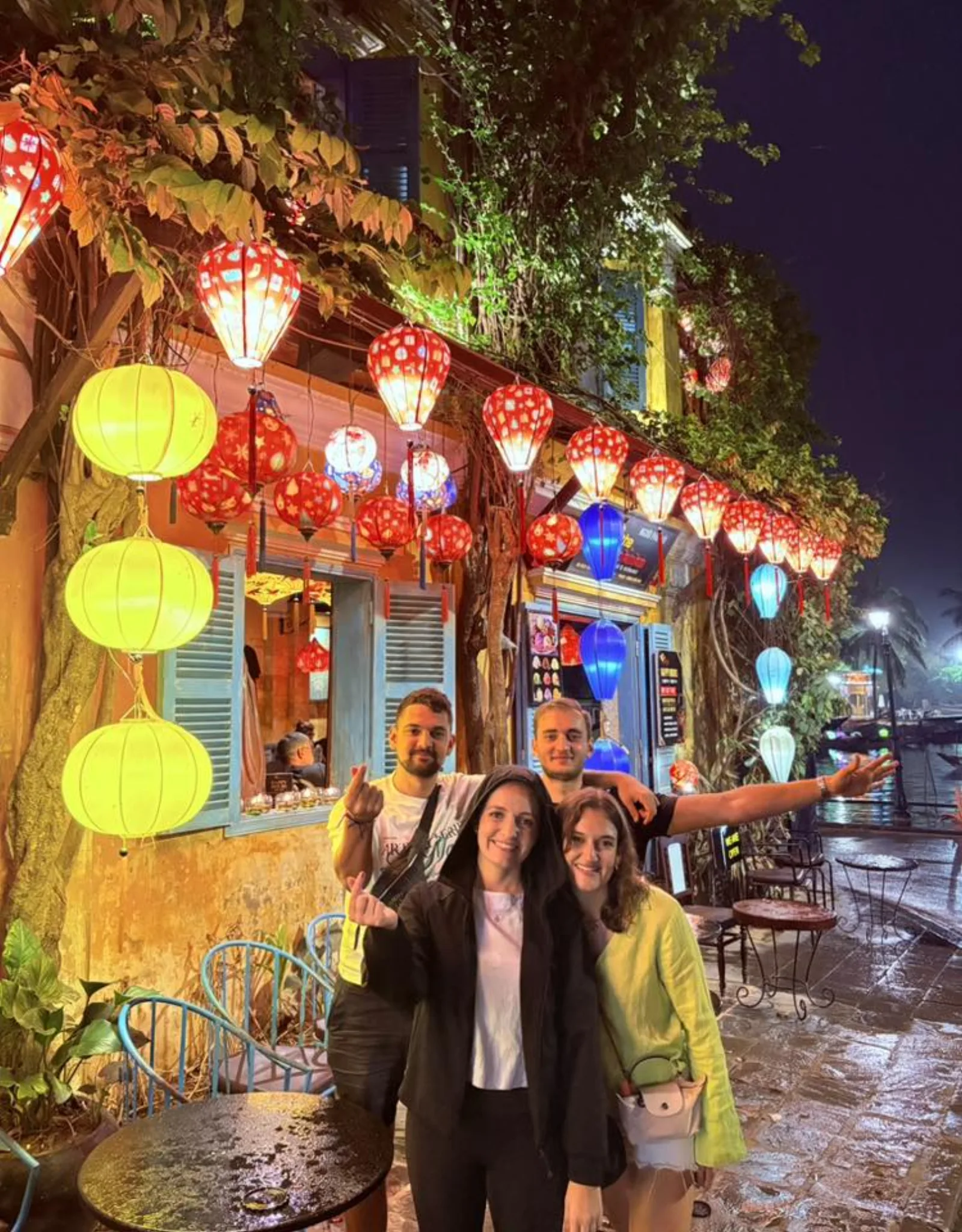
Rain in Hoi An is rarely a write-off. A few notes from running tours through every season:
- Old Town walking tours continue in light to moderate rain — most of the Ancient Town has covered eaves, and the historic houses are interior visits.
- Food tours work in any weather. Most of the route is alley-to-alley with covered seating.
- Countryside and cycling we reschedule or swap for a tailor-and-coffee Old Town morning if it's pouring.
- Day trips to Hue or Hai Van Pass we cancel the Hai Van section if the pass is fogged or closed by police — that does happen 4–6 days a year.
- My Son sunrise we reschedule rather than go in heavy rain, since the appeal is the empty temples in clear light.
If a tour can't run safely, we move it or refund — no platform middleman, no fight. Pack a light rain jacket rather than an umbrella from October to December: the Old Town lanes are narrow, and umbrellas on a busy street are more trouble than the rain.
How season affects your Hoi An budget
Hoi An is one of the cheaper places in Vietnam to travel year-round, but the gap between peak and low season is real on accommodation:
- Boutique homestay (riverside): $35–$55/night in peak, $22–$35 in low season
- 4-star hotel: $80–$140/night in peak, $55–$95 in low season
- 5-star resort (An Bang beach): $180–$280/night in peak, $120–$190 in low season
- Private tours (Fingo): same price year-round — see our transparent 2026 pricing
- Tailor-made silk dress or suit: $40–$120, same year-round
If your dates are flexible, the cheapest week to visit Hoi An in 2026 will fall in early September or late January, before the heavy rain or the Tet uplift.
Plan your dates with the rest of your trip
Most travellers combine Hoi An with Hue, Da Nang, or a Central Vietnam loop. If you're shaping that decision, these planning notes pair with this guide:
Where this guide comes from
I've been guiding small private groups through Hoi An since 2019, through every season — including the 2020 and 2023 typhoon-year floods. The dates, ranges, and behaviour notes above are what I actually tell guests when they message me on WhatsApp asking when to come. If your dates are already set and you want a frank sanity-check before booking, message us on the Fingo Private Tours homepage and we'll tell you straight whether it's a good week.
Related planning notes: Hoi An itinerary for first-timers, Hoi An vs Hue, where to stay in Hoi An or Da Nang, and how much a private tour costs.
FAQ
A few practical follow-up questions
Only the questions that sit naturally inside this article are shown here, so the page stays focused.
Article FAQ
March is the single best month — dry, 22–28°C, clear skies, low humidity, and the river is calm. February and April are close behind. Any week from mid-February to late April is a strong choice for a first trip.
From mid-September to early January, with the heaviest rain and flood risk in October and November. December and early January are cooler with steady drizzle rather than typhoon-style downpours.
Yes, the Old Town floods 2–4 times a year, usually for one to three days at a time in October and November. It is not dangerous — locals move belongings up one floor and businesses keep running upstairs — but if your trip is short, it is a real risk to plan around.
No. The full lantern festival, with electric lights off and only paper lanterns lit, happens on the 14th day of each lunar month — the night before the full moon. The Old Town still has lanterns and beautiful evening light every night of the year, just not at the same scale.
Early September and late January, just before peak rain and just before Tet. Hotel rates run 30–40% lower than peak season. Private tour prices at small local operators like Fingo do not change with the season.
Same topic
More in this topic
If this topic is close to your trip, these notes stay within the same planning lane without sending you off into a wider archive.
Related tours
If you want to turn the note into a real plan
These tours sit closest to the topic you just read, so the next step stays grounded in the actual route options.

Walking & Street Food Tour
Hoi An Ancient Town Walking & Street Food Tour
Join our half-day tour to explore the best of Hội An. Walk through lantern-lit streets, visit iconic landmarks, and enjoy delicious local food.
3 to 4 hours
Explore the Hoi An Ancient Town Walking & Street Food Tour
Food Tour
Hoi An Street Food Tour with Local Expert
A private evening route for flavour, conversation, and a softer look at Hoi An after dark.
3 hours
Explore the Hoi An Street Food Tour with Local ExpertHelpful next step
Use the article for context, then move into the part that fits your trip best
Some travellers want to compare tours next, while others just want to send a quick message with dates and questions. Both paths stay open here.