
Old Town guide
Hoi An Old Town Guide: What to See, When to Go, and How Long to Spend
A practical Hoi An Old Town guide for first-time visitors, including what to see, when to go, how long to spend, a simple walking route, family tips, and what to verify locally.
May 7, 2026 · 10 min read

Last updated: 23 July 2026 — written by Fin, a local guide in Hoi An.
Quick answer: how should you visit Hoi An Old Town?
For most first-time visitors, the best way to see Hoi An Old Town is to spend 3–4 focused hours in the morning or late afternoon, then return after dark for the lantern atmosphere. Use a simple walking route through the Japanese Covered Bridge area, old merchant-house streets, assembly halls, market lanes, and the riverside. If you have children or dislike crowds, go earlier, keep the route short, and leave time for breaks.
Key takeaways
- Best overall timing: early morning for calmer streets; late afternoon into evening for colour and lanterns.
- Best visit length: 3–4 hours for a meaningful first visit; 1–2 hours for a quick walk or family block.
- Best walking style: follow a loose route, not a strict checklist. Old Town is compact, but heat and crowds affect pacing.
- Best things to see: Japanese Covered Bridge area, old houses, assembly halls, temples, market lanes, riverside streets, lanterns, and quiet details between famous stops.
- Best with kids: go in shorter blocks, avoid the hottest hours, plan snacks and shade, and keep the evening visit brief.
Hoi An Old Town at a glance
| Traveller type | Time to spend | Best time of day | Best focus |
|---|---|---|---|
| First-time visitor | 3–4 hours plus an evening return | Morning or late afternoon | Historic streets, a few heritage stops, river, lanterns |
| Short-stay traveller | 1.5–2.5 hours | Late afternoon | One compact loop and dinner nearby |
| Photographer | 2 visits | Early morning and blue hour | Yellow walls, old doors, river light, lanterns |
| Family with kids | 1–2 hours per block | Morning or early evening | Short route, snacks, shade, simple stories |
| History lover | Half day or more | Morning | Old houses, assembly halls, temples, guided context |
What is Hoi An Old Town?
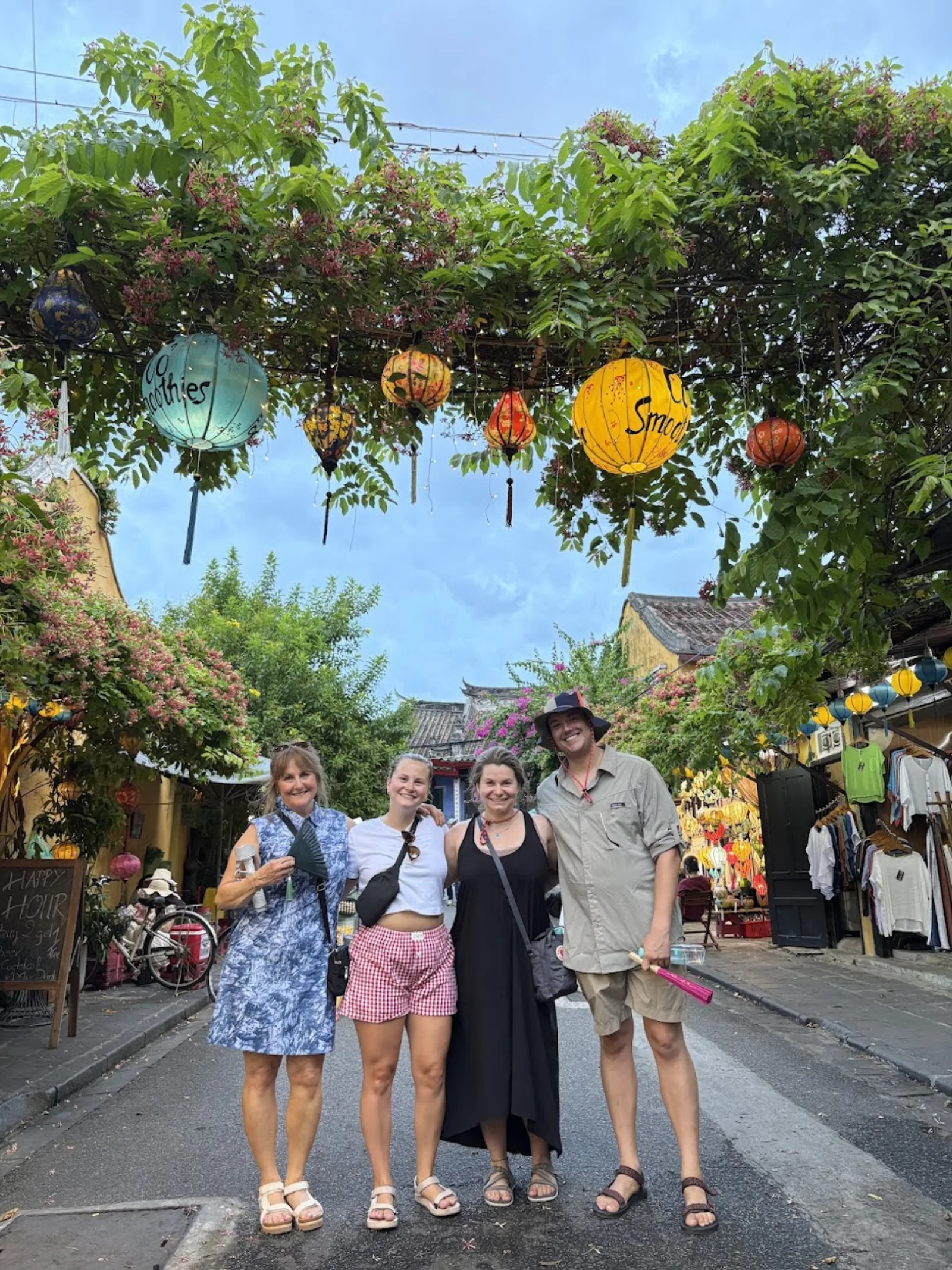
Hoi An Old Town, often called Hoi An Ancient Town, is the historic core of Hoi An in Central Vietnam. Vietnam’s official tourism site describes Hoi An as a former trading port shaped by Chinese, Japanese, and later European merchants between the 15th and 19th centuries. That mix is why wooden shopfronts, yellow-walled houses, assembly halls, temples, riverside lanes, and lanterns sit close together.
The Old Town is not large, but the value is in noticing layers: old doors, family altars, quiet courtyards, tailor signs, small temples, food carts, and the way the river changes between morning and evening.
How long should you spend in Hoi An Old Town?
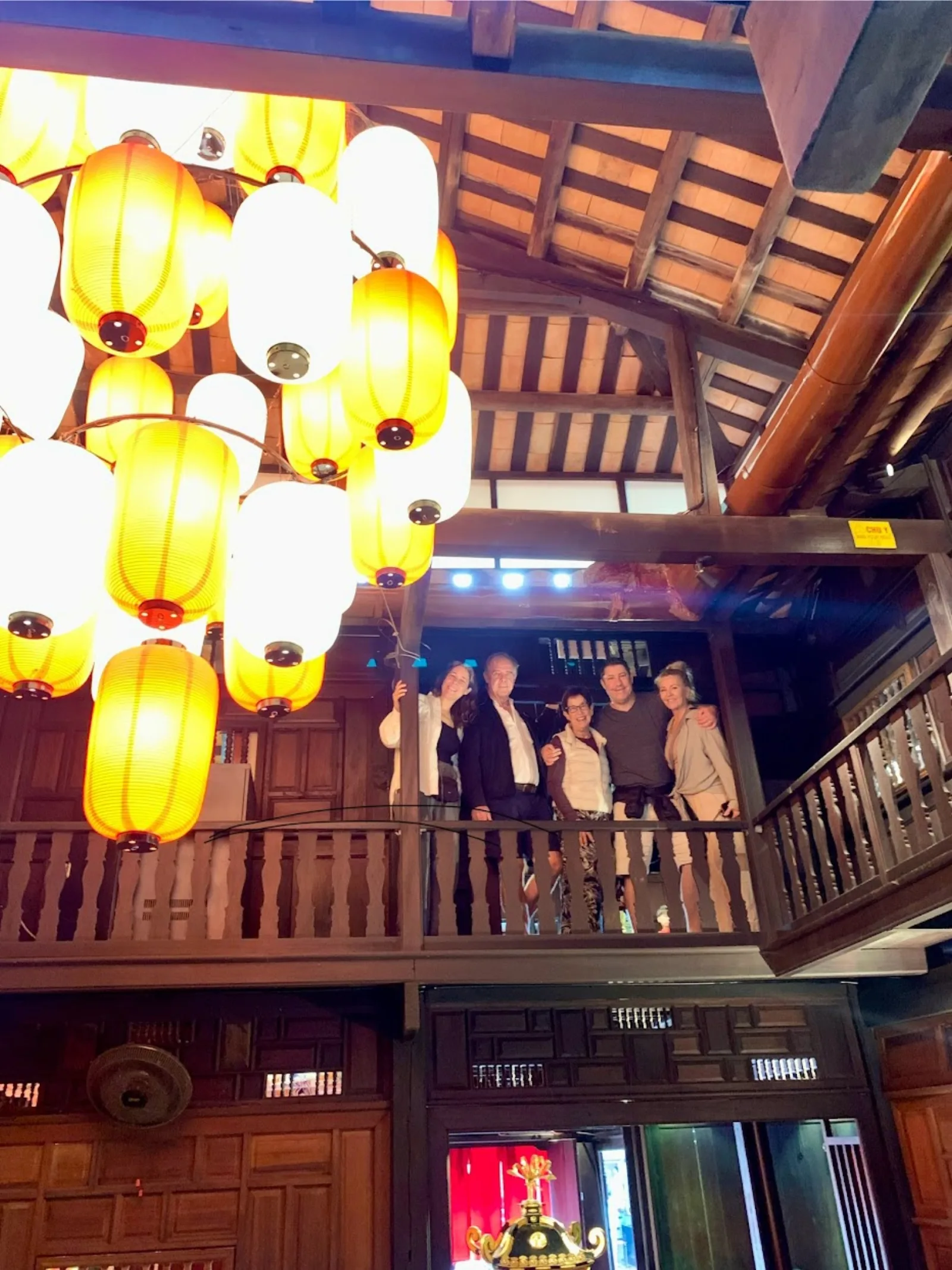
Most people should spend 3–4 hours on their first proper Hoi An Old Town visit. That is enough time for a relaxed walking route, a few heritage stops, market or riverside wandering, and at least one coffee, drink, or snack break.
Use this simple rule:
- 1–2 hours: good for quick orientation, especially if you will return later.
- 3–4 hours: best for most first-time visitors who want context without getting tired.
- Half day: best if you enjoy history, photography, cafes, or guided storytelling.
- Full day: only makes sense if you break it into morning, rest, and evening.
Hoi An is better in two smaller visits: one calmer daytime walk and one short evening return for lanterns and river atmosphere.
Best time to visit Hoi An Old Town
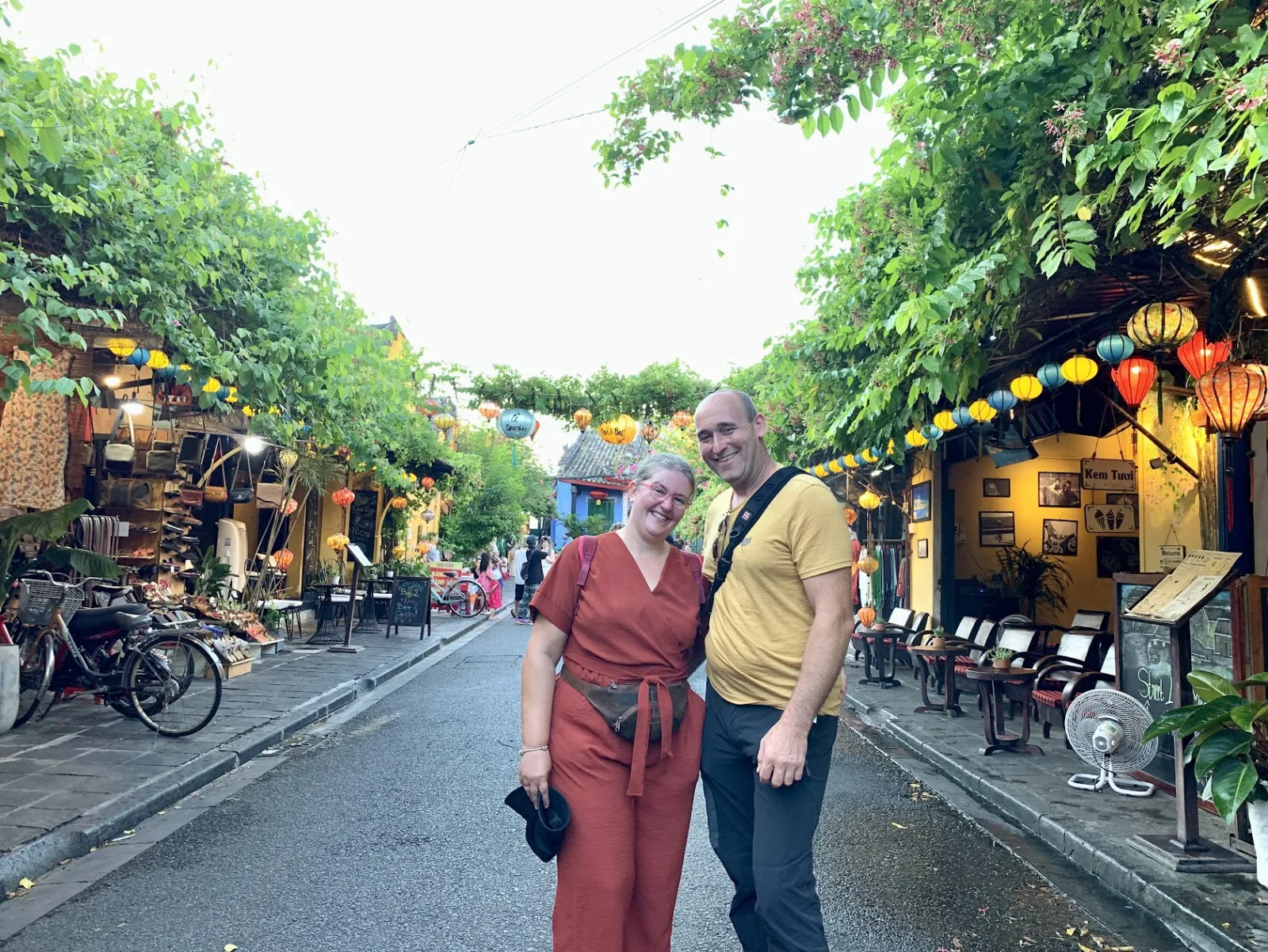
The best time to visit Hoi An Old Town depends on what you care about most.
Early morning: best for calm streets
Morning is usually the most comfortable time for space, softer light, and easier walking. Choose morning if you want quieter streets, are travelling with children or older family members, or care more about details than nightlife.
Late afternoon: best for a balanced first visit
Late afternoon is the easiest choice for many travellers. You can see the yellow buildings in daylight, pause for a drink, then stay as lanterns begin to glow. The trade-off is that late afternoon and evening can be busier near the river and the most photographed streets.
Evening: best for lantern atmosphere
Evening is beautiful, but it is not the best time to understand everything you are seeing. Treat it as a mood visit: walk, eat, enjoy the river, and keep expectations simple. If you want deeper cultural context, do that earlier in the day or with a local guide.
What to see in Hoi An Old Town

You do not need every named site to have a meaningful visit. Choose a few anchors, then enjoy the streets between them.
Japanese Covered Bridge area
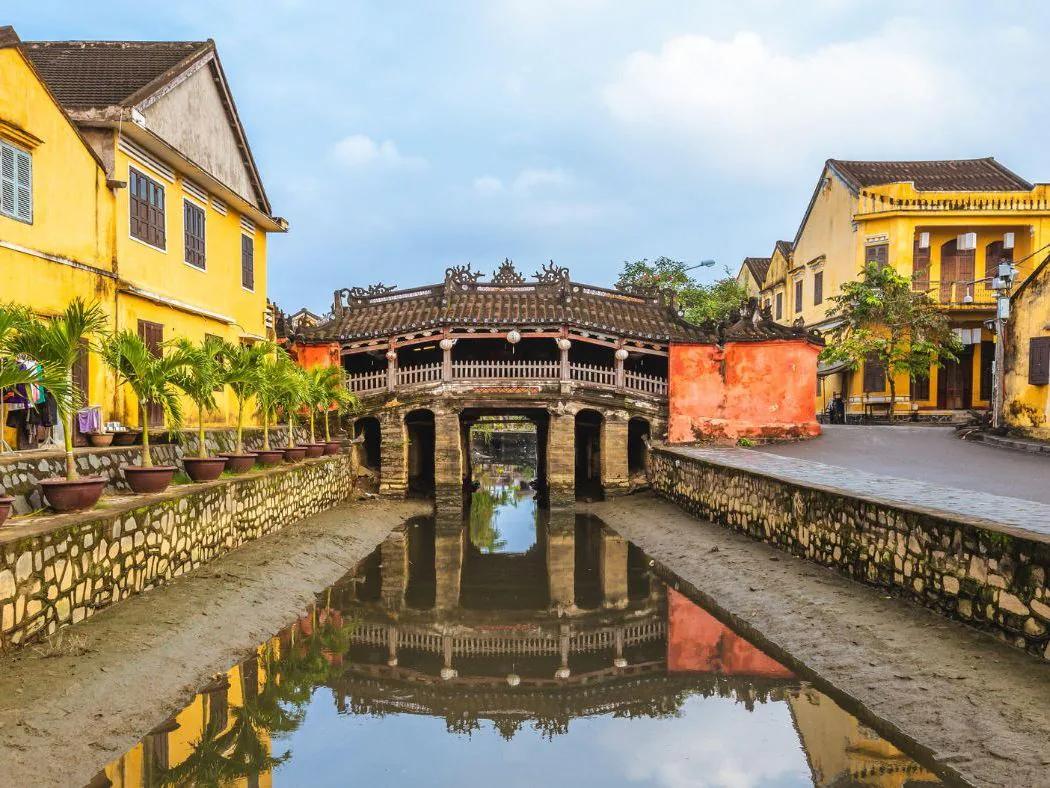
The Japanese Covered Bridge area is one of Hoi An’s best-known landmarks and a natural anchor for many walking routes. Vietnam Tourism lists the Japanese Bridge as one of the Old Town highlights, connected to the town’s trading-port story.
Because restoration, access, and viewing conditions can change, check the current situation locally before making it the single centrepiece of your plan.
Old merchant houses
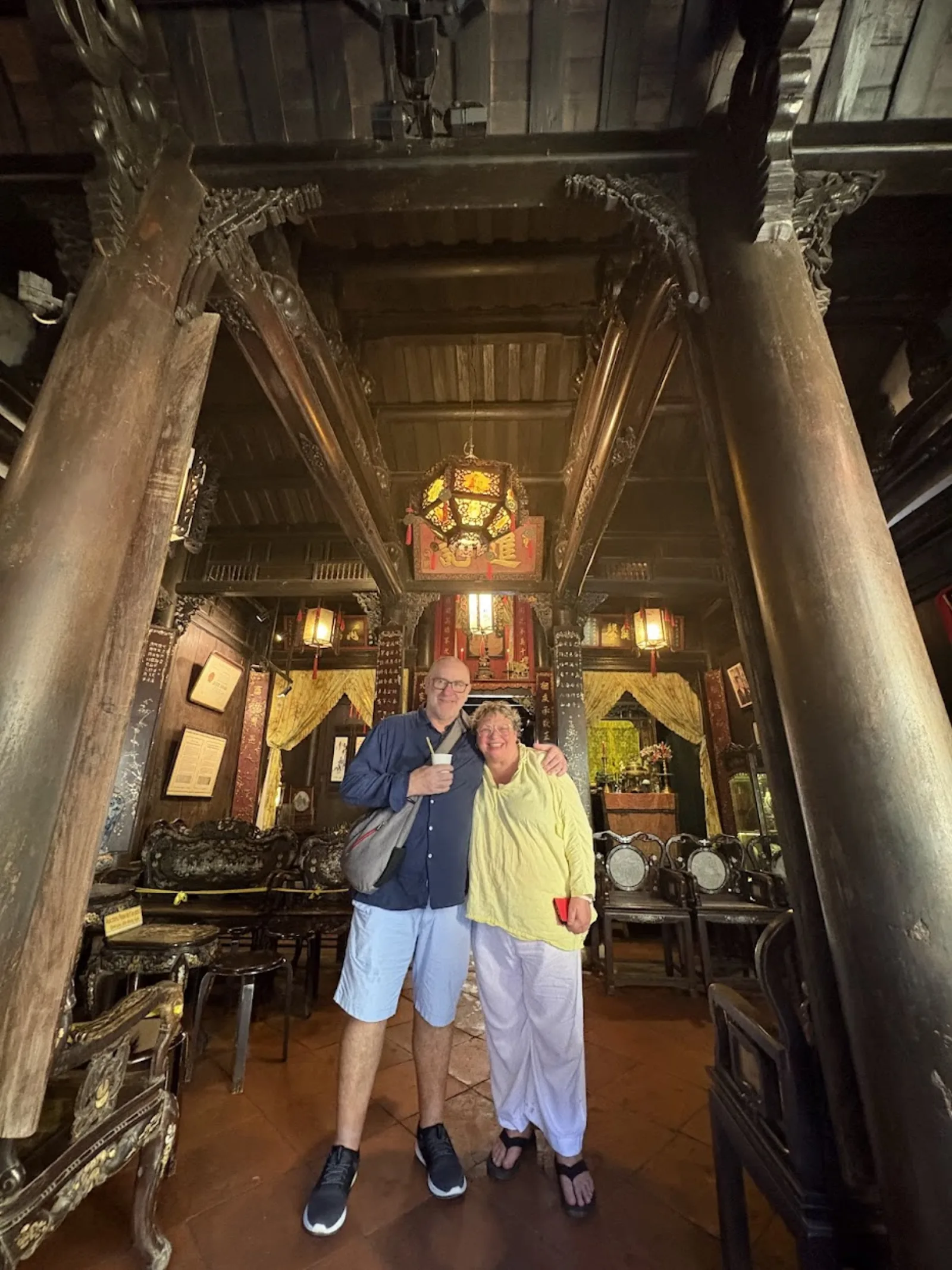
Old houses such as Tan Ky ancestral house are often mentioned because they show how merchant families lived and traded in Hoi An. Look for timber structure, family spaces, courtyards, flood marks, decorative details, and the way commerce and home life once sat together.
If you enter any heritage house, check current ticket or access rules locally. Do not assume every site is open at the same time or under the same conditions.
Assembly halls and temples
Assembly halls, including Phuc Kien Assembly Hall, show the Chinese community influence in Hoi An’s trading-port history. Move respectfully, keep your voice low, and avoid treating worship spaces as only photo backdrops.
Market lanes and food corners
Hoi An’s market and nearby lanes are useful for understanding daily life, not just shopping. You may see produce, herbs, local snacks, household goods, and the rhythm of people buying and selling.
This is also a good place to notice foods you may want to try later: cao lau, white rose dumplings, wontons, banh mi, sweet soups, grilled snacks, coffee, or herbal drinks. If food is a main reason for your trip, save space for a dedicated evening or consider Fingo’s Hoi An food tour for a calmer route through local tastes.
Riverside streets and small lanes
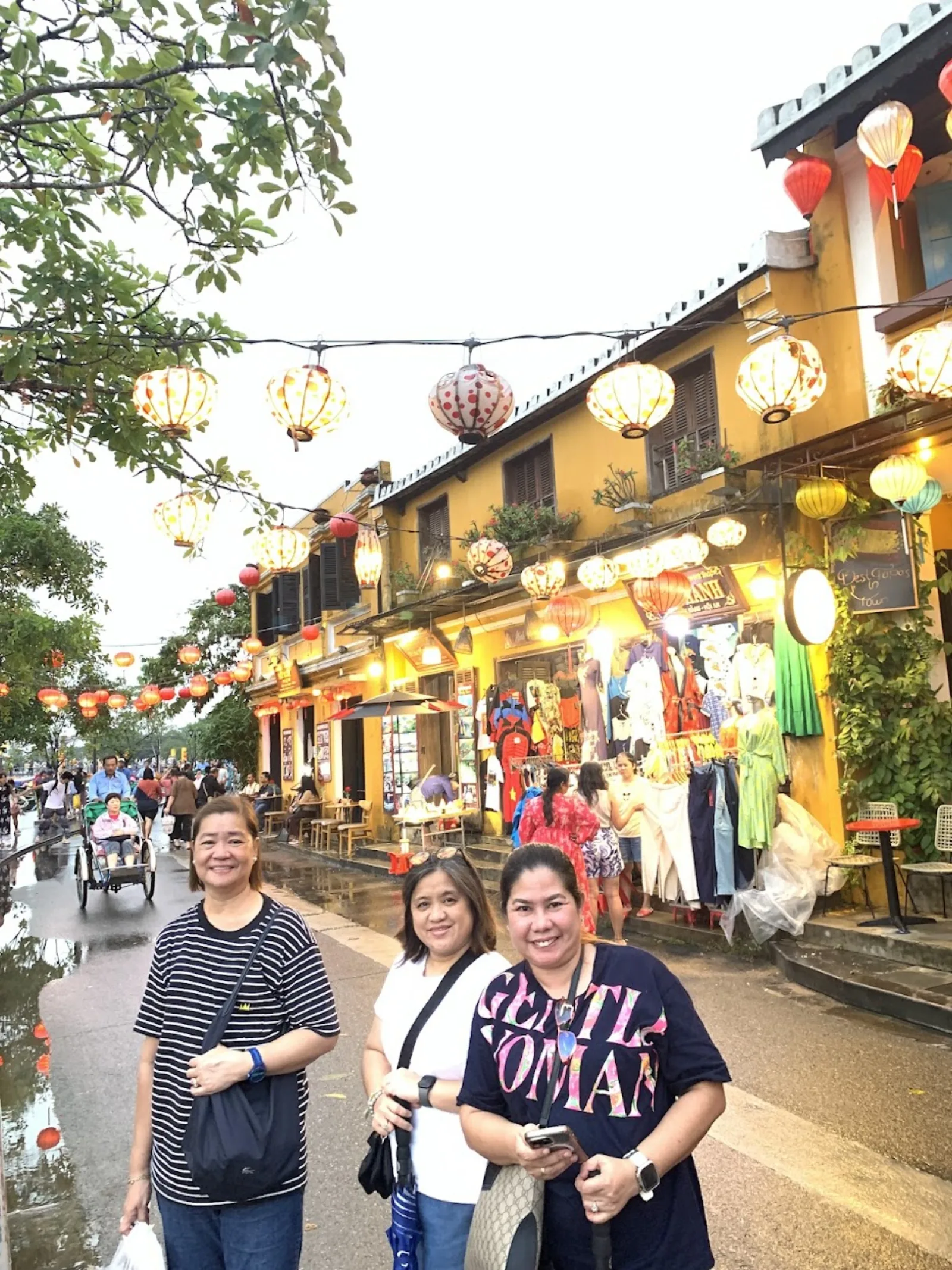
The river gives Old Town much of its mood. During the day, it helps you imagine the trading-port setting. In the evening, it becomes one of the busiest and most atmospheric areas, with lanterns, reflections, boats, and crowds.
Some of the best things to see are not individual attractions at all: faded yellow walls, wooden shutters, tiled roofs, old signs, small shrines, family businesses, and quiet side lanes.
A simple Hoi An Old Town walking route
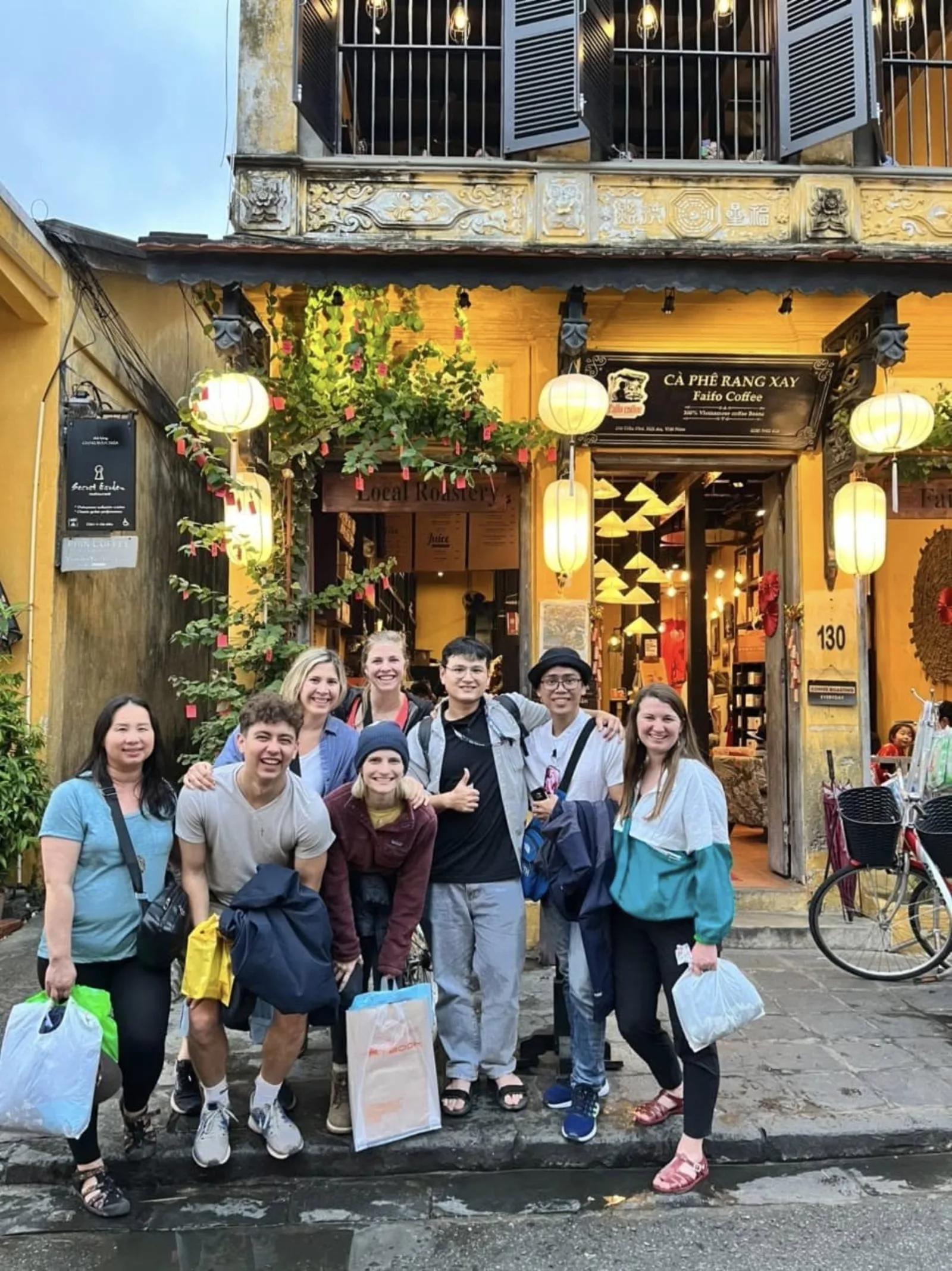
This Hoi An Old Town self guided walking tour is intentionally simple. It is not a ticket-rule guide or a promise that every site will be open. Use it as a pacing framework, then adjust based on weather, crowds, and your energy.
- Start near the Japanese Covered Bridge area. Use it as a historic anchor and orientation point.
- Walk into the old streets. Notice shopfronts, old houses, small temples, and yellow walls.
- Choose one or two heritage interiors. Pick an old house, assembly hall, or temple if current access allows.
- Loop toward market lanes. Look for food, daily-life details, and a change of atmosphere.
- Finish at the riverside. Pause for photos, a drink, or a slower walk.
- Return after dark if you can. Keep the evening route shorter and focus on lanterns and dinner.
Suggested 3-hour Old Town itinerary
Hour 1: Orientation and architecture Begin with the Japanese Covered Bridge area, then walk slowly through nearby old streets. First understand the layout and mood.
Hour 2: One or two deeper stops Choose a heritage house, assembly hall, temple, or small museum-style stop depending on current access and your interests. This is where a local guide can add value, because many details are easy to pass without context.
Hour 3: Market, river, and pause Move toward the market lanes or riverside, then stop for a drink, snack, or coffee. If you are planning an evening return, leave while you still have energy.
You can walk Hoi An Old Town by yourself. A guide helps when you want stories, cultural context, a smoother route, help avoiding overloaded streets, or a pace adapted for your group. If you prefer a private, local-led version, Fingo’s Hoi An private walking tour is the most relevant next step.
Hoi An Old Town with kids

Hoi An Old Town can work very well with kids, but the plan should be shorter and more flexible than an adult sightseeing route. Heat, crowds, uneven surfaces, and evening noise can tire children quickly.
A family-friendly Old Town plan looks like this:
- Go in the morning or early evening, not during the hottest part of the day.
- Choose one short loop, not a long attraction list.
- Add snack and drink stops before children are tired.
- Use simple stories: old trading port, lanterns, boats, family houses, temples.
- Keep the evening visit brief if the riverside is crowded.
- Have an exit plan: taxi point, hotel return, or cafe break.
If you are staying several days, do not force Old Town, food, lanterns, shopping, and countryside into the same day. How to Shape a First Hoi An Stay can help you decide how much to include.
Common mistakes to avoid in Hoi An Old Town
1. Visiting only at the busiest evening time. Evening is memorable, but it can also be crowded. Include one daylight walk if you can.
2. Treating the town as a checklist. A rushed list of landmarks can make Hoi An feel smaller and flatter than it is. Choose a few key stops, then pay attention to the spaces between them.
3. Ignoring heat and rest. A midday break is not wasted time; it often makes your evening much better.
4. Assuming ticket rules, access, and hours never change. Ticket systems, restoration work, site access, and opening hours can change. This guide avoids exact current fees and policy claims for that reason. Check locally before entering specific heritage sites or planning around one attraction.
5. Forgetting there is more to Hoi An than Old Town. Old Town is the heart of Hoi An, but it is not the whole story. If you have more than one day, balance it with food, countryside, beach time, or local-life experiences. Fingo’s guide to balancing your Hoi An days is useful for that bigger plan.
Quick checklist before you go
- Choose your main visit time: morning, late afternoon, or evening.
- Plan 3–4 hours for a first proper visit, or 1–2 hours with kids.
- Wear comfortable shoes and bring water, sun protection, and light rain protection when needed.
- Check current ticket/access rules locally before entering heritage sites.
- Keep your route flexible if streets are crowded or weather changes.
- Save energy for one evening walk if lanterns matter to you.
Related planning notes: Hoi An itinerary for first-timers, what to eat in Hoi An, and things to do in Hoi An with kids.
A calm way to experience Hoi An Old Town
The best Hoi An Old Town visit is not the fastest one. Give yourself enough time to see the main historic streets, then slow down for the details: a doorway, a courtyard, a bowl of noodles, a lantern reflection, a quiet lane just away from the river.
If you want to understand the Old Town with local context instead of only following a map, Fingo can help shape a private walking route around your pace, interests, hotel area, and group. You can explore the Hoi An private walking tour, browse private tours in Hoi An, or message Fingo on WhatsApp with your dates.
FAQ
A few practical follow-up questions
Only the questions that sit naturally inside this article are shown here, so the page stays focused.
Article FAQ
In travel planning, people often use Hoi An Old Town and Hoi An Ancient Town to mean the historic core. Officially, the UNESCO-listed area is the Ancient Town. Locals simply call it the Old Town.
A quick walk can take 1–2 hours, but most first-time visitors should allow 3–4 hours. That gives you time for the bridge, one heritage house, an assembly hall, a coffee stop, and the riverfront.
Morning is best for calmer streets and architecture. Late afternoon is best if you want daylight, golden-hour photos, and the transition into the lantern evening. Midday is hot and crowded.
Yes. Start near the Japanese Covered Bridge area, walk through the old streets, choose one or two heritage houses, visit an assembly hall, and end at the riverfront. A local guide adds stories and vendor introductions.
Do not miss the Japanese Covered Bridge area, at least one old merchant-house street, an assembly hall, the riverfront at lantern time, and a coffee stop in a heritage building.
Yes, if you keep the visit short and flexible. Go in the morning or early evening, plan snacks and stops, and let children enjoy the lanterns, boat rides, and open spaces rather than forcing long heritage visits.
Walking the streets is free. The Old Town Ticket (120,000 VND, approximately $5 USD) grants entry to five heritage sites from a list of over twenty. You choose which five at the ticket booth.
Same topic
More in this topic
If this topic is close to your trip, these notes stay within the same planning lane without sending you off into a wider archive.
Related tours
If you want to turn the note into a real plan
These tours sit closest to the topic you just read, so the next step stays grounded in the actual route options.

Walking & Street Food Tour
Hoi An Ancient Town Walking & Street Food Tour
Join our half-day tour to explore the best of Hội An. Walk through lantern-lit streets, visit iconic landmarks, and enjoy delicious local food.
3 to 4 hours
Explore the Hoi An Ancient Town Walking & Street Food Tour
Food Tour
Hoi An Street Food Tour with Local Expert
A private evening route for flavour, conversation, and a softer look at Hoi An after dark.
3 hours
Explore the Hoi An Street Food Tour with Local ExpertNext step
If you want to turn this into a real route, start with the tours
Use the article for context, then move into the private tour pages when you want to compare the actual route styles more directly.