
Landmark guide
The Japanese Covered Bridge: Why It's There, Why It's Famous, and What to Photograph
The Japanese Covered Bridge is on every Hoi An postcard. Here's the actual history — who built it, why it's covered, and the best time of day to photograph it without 200 people in the frame.
May 27, 2026 · 7 min read
Last updated: 9 September 2026 — written by Fin, a local guide in Hoi An.
Quick answer: what is the Japanese Covered Bridge?
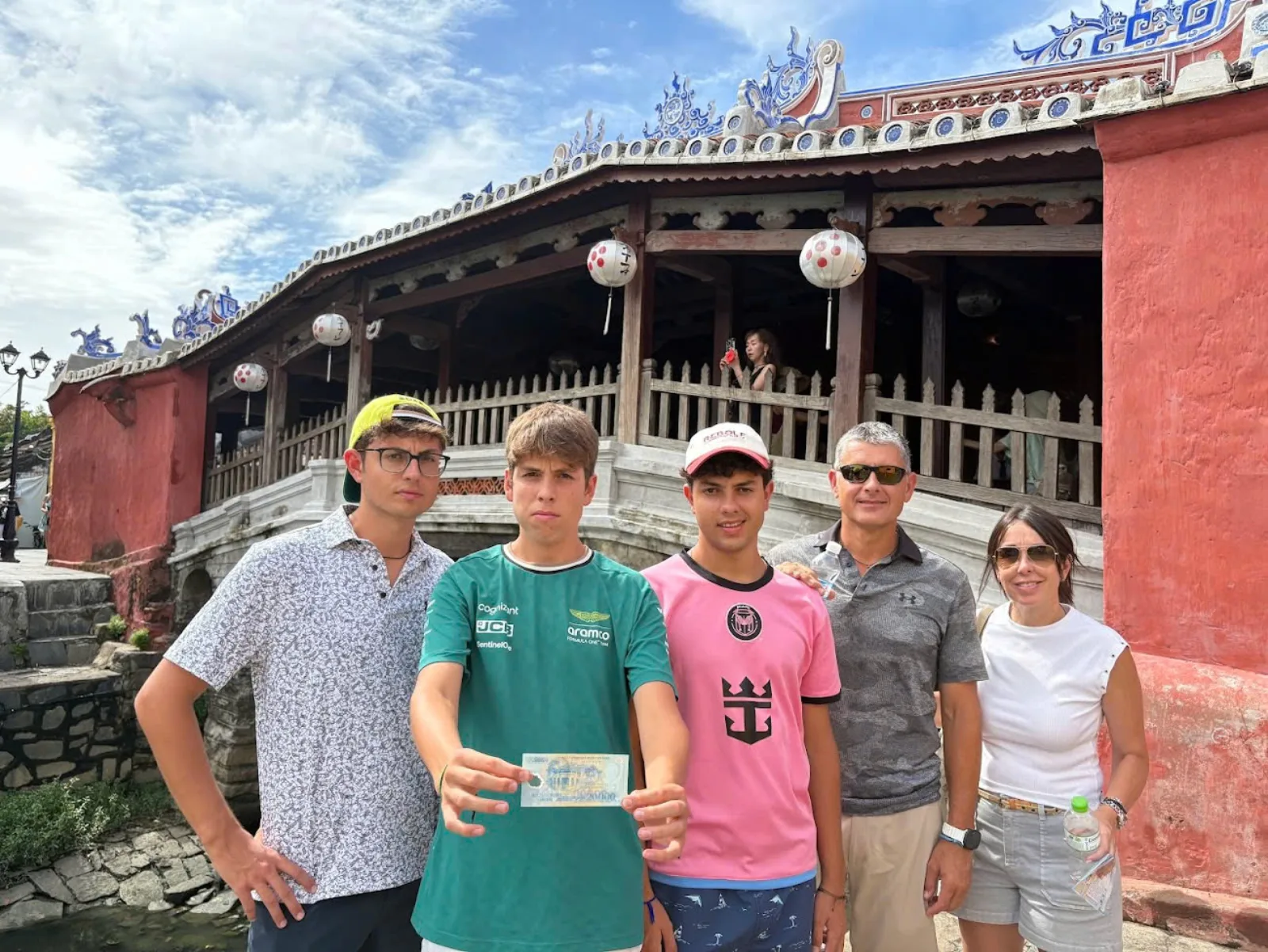
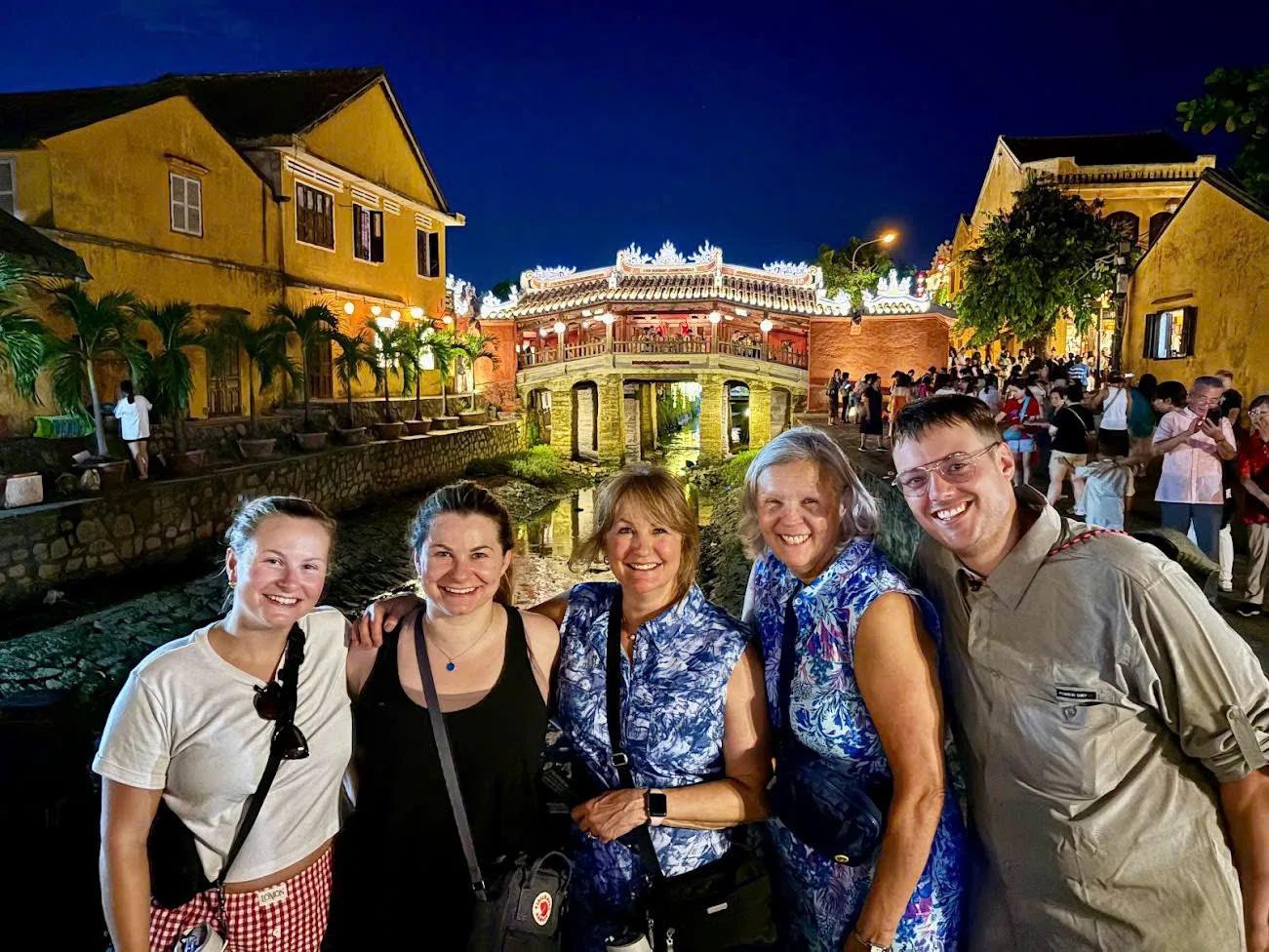
The Japanese Covered Bridge — Chùa Cầu in Vietnamese — is a 20.4-metre wooden footbridge crossing a narrow canal at the western end of Hoi An's Old Town. Built around 1593 by Japanese merchants to connect the Japanese and Chinese quarters, it has a small temple built into the middle. The bridge was named Lai Viễn Kiều by Lord Nguyễn Phúc Chu in 1719 and has been a national heritage site since 17 February 1990. A major restoration costing 20.2 billion VND was completed on 3 August 2024. Walking across the bridge is free; visiting the temple inside requires the Ancient Town ticket (120,000 VND). The bridge is on the 20,000 VND banknote — most travellers carry a picture of it in their wallet without realising.
Key takeaways
- Crossing the bridge is free. Only the temple inside needs the Ancient Town ticket.
- Go before 7am or after 5:30pm. Between 10am and 2pm it is shoulder-to-shoulder.
- It looks newer than you expect — the 2022–2024 restoration replaced a lot of timber. That is not a fake; it is how a 430-year-old wooden bridge survives.
- The dog statues at one end and monkeys at the other are the detail almost every visitor walks past.
- Five minutes is enough for the bridge. The three hours are in what surrounds it.
Why a Japanese bridge in Vietnam?
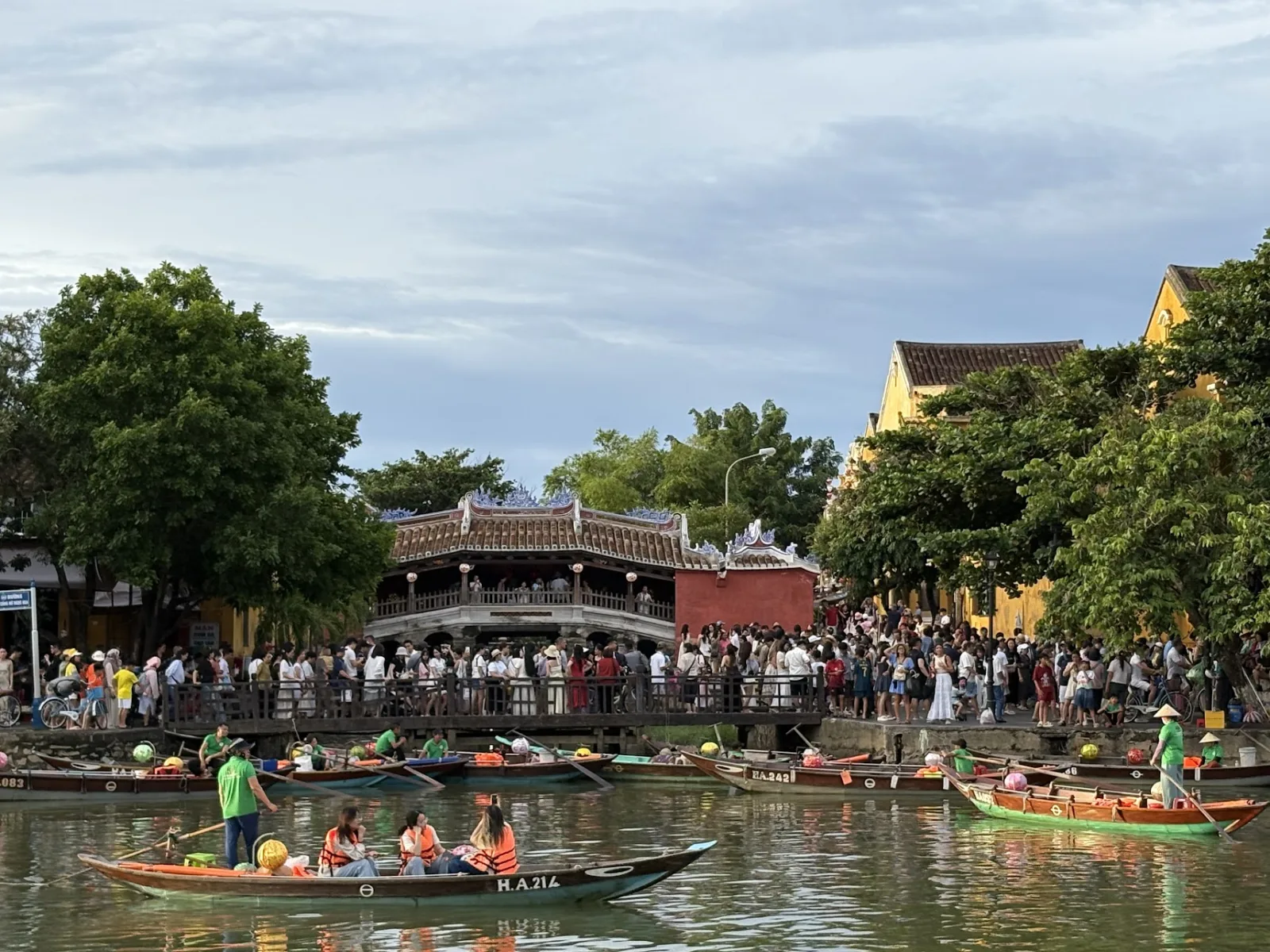
Between roughly 1590 and 1640, Hoi An was a thriving international trading port. Japanese, Chinese, Dutch, Portuguese and Arab merchants lived in separate quarters along the river. The Japanese quarter sat on the west side; the Chinese quarter on the east. The bridge was built around 1593 to connect the two communities.
Local tradition says the bridge was built to slay a giant mythical creature whose head was in India, tail in Japan, and body running underneath Hoi An — its movements supposedly causing earthquakes in all three places. Building the bridge over its "back" was meant to pin it down. This is why a small temple sits inside: dedicated to the Bắc Đế god of the north, who controls such creatures. The Japanese merchant community used the bridge for about 50 years before Japan's 1638 closed-country policy ended trade with Vietnam.
Visiting the bridge — ticket, timing, and photo windows
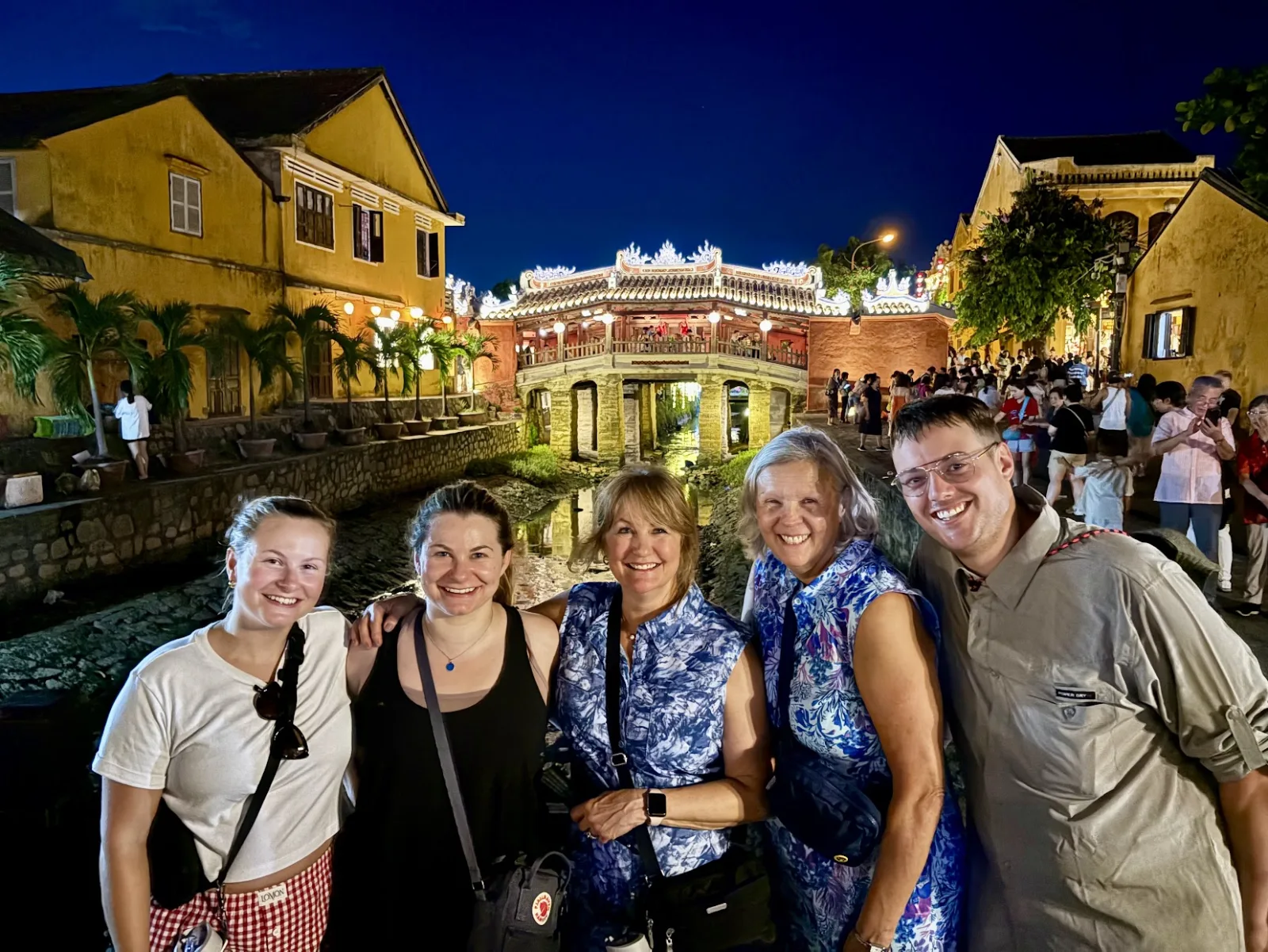
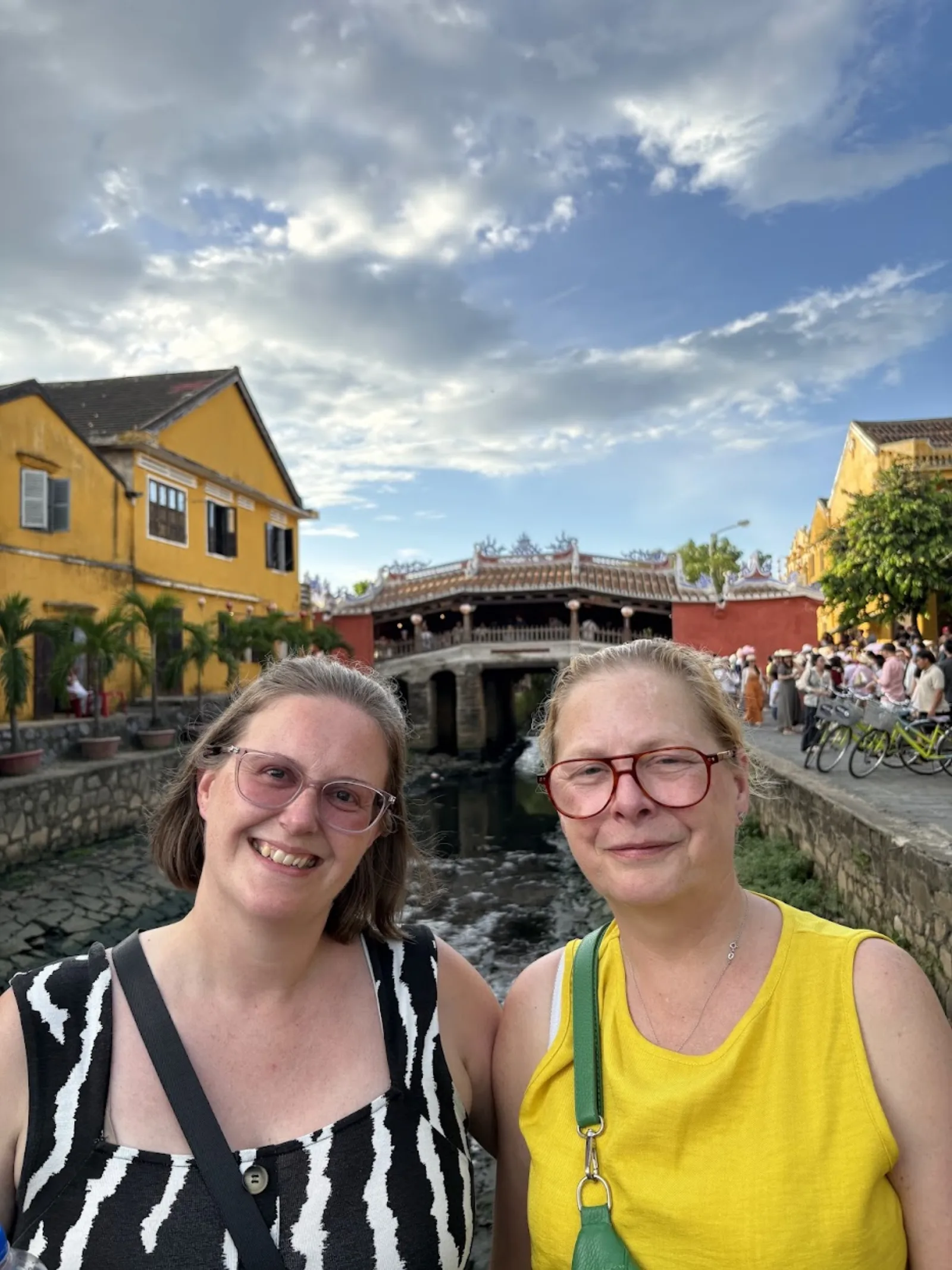
Walking across the bridge is free. The temple inside takes 5–10 minutes and requires the Ancient Town ticket. Look for the two carved dog statues at one end and two monkey statues at the other — bridge construction supposedly started in the year of the monkey and finished in the year of the dog.
Best photography windows:
- Dawn to 7am: empty streets, soft light, the bridge yellow against an empty sky. Even at 6am expect 10–15 other photographers.
- 5:30pm–6:30pm: golden-hour light, lanterns switching on inside, the day crowd thinning.
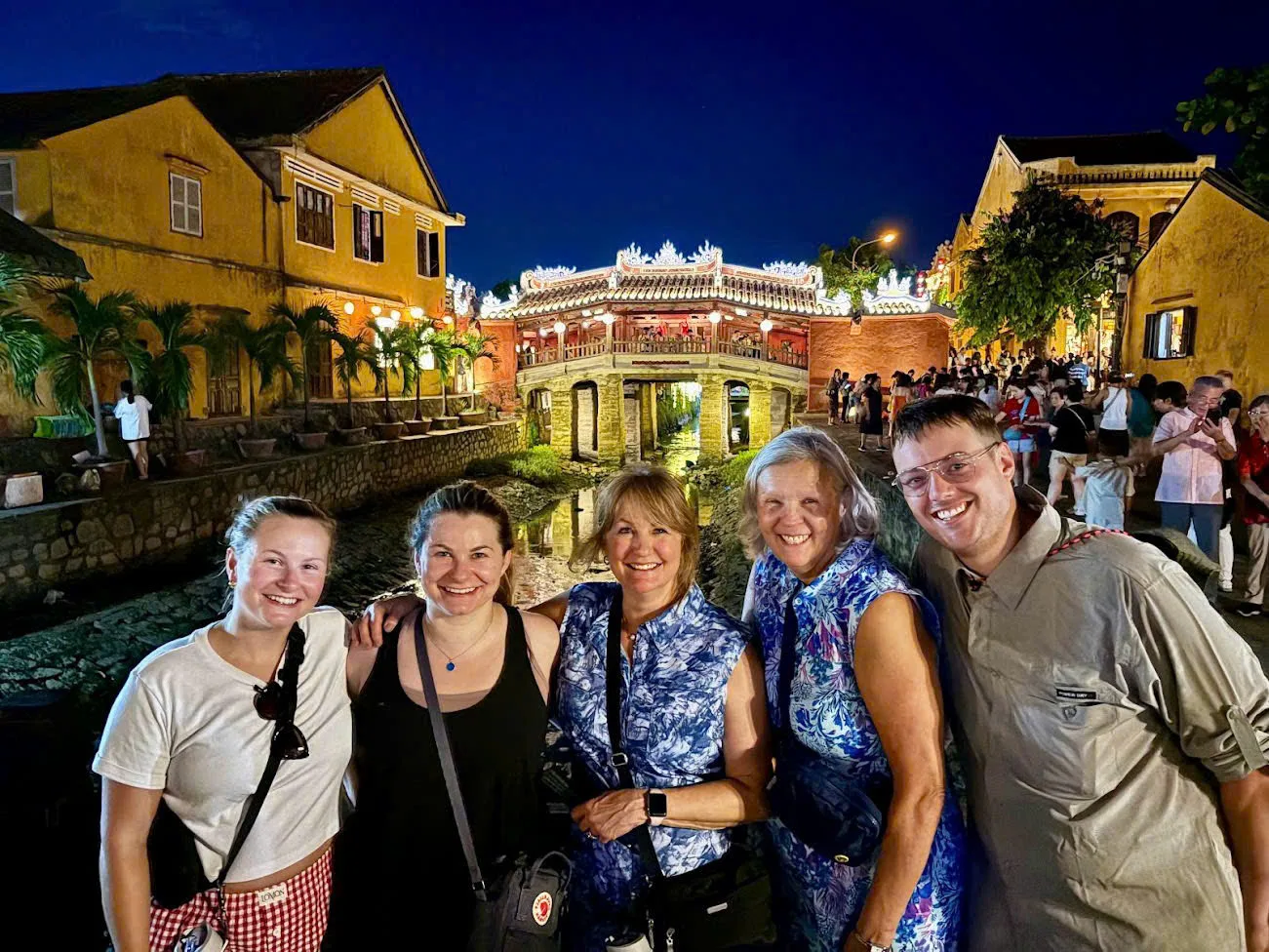
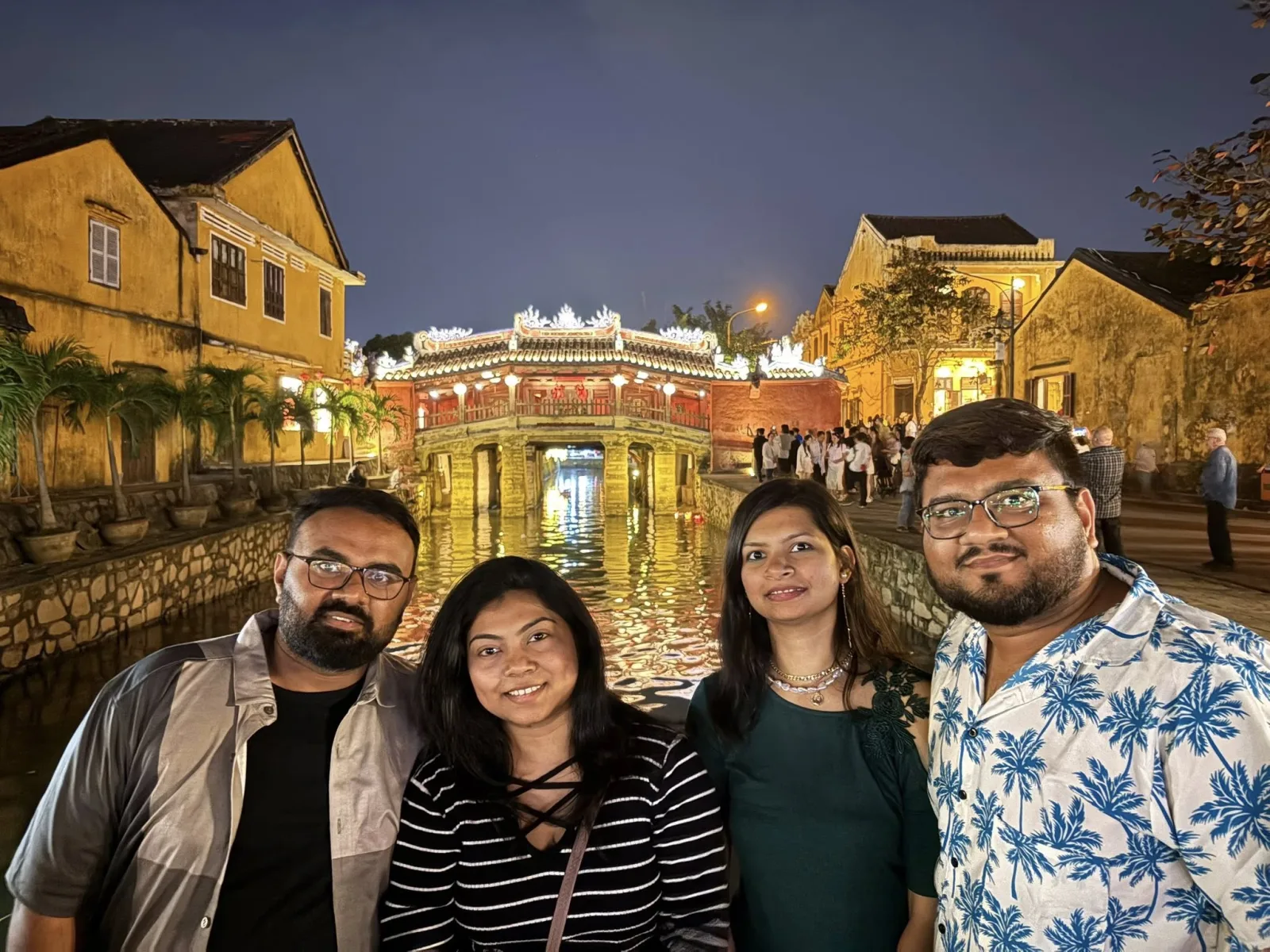
- 6:30pm–7:30pm: lantern light, the entire bridge interior glowing red and gold. Busy but photogenic.
- Avoid 10am–2pm: group-bus window, 200 people on the bridge, photography functionally impossible.
On a Hoi An private walking tour, the bridge is the first stop at 8am or the last stop at 4pm — both work, depending on whether you prefer cooler temperatures or lantern light.
What to look for once you are on it
The bridge takes ninety seconds to cross and most visitors spend all of it looking at their phone screen. Four things are worth stopping for.
- The dogs and the monkeys. A pair of carved dogs guards one end, a pair of monkeys the other. The usual explanation is that construction began in a year of the monkey and ended in a year of the dog; the other is that both animals are guardian figures in Japanese tradition. Nobody can prove either.
- The temple in the middle. Not Japanese and not original to the crossing — it faces north, into the bridge rather than along it, and is dedicated to Bắc Đế, the northern god who governs weather and water. A bridge with a temple built into its side is close to unique in Vietnam.
- The roof tiles. Yin-yang tiles, laid in alternating curves, the same system used on the merchant houses either side. After the restoration you can see clearly which are old and which are new — the older ones are darker and less even.
- The canal underneath. Narrow, unremarkable, and the entire reason the bridge exists: it was the boundary between the Japanese quarter to the west and the Chinese quarter to the east.
The 2024 restoration — why the bridge looks new
Between December 2022 and August 2024 the bridge was fully dismantled, surveyed and rebuilt at a cost of about 20.2 billion VND. When the hoarding came down, a lot of visitors — and a lot of Vietnamese online — said it looked too clean, too yellow, too new.
That reaction is worth understanding rather than dismissing. A timber bridge on a tidal canal in a flood city does not survive four centuries by being left alone; it survives by being taken apart and repaired, which has happened repeatedly since the 1600s. The 2024 work replaced the structurally failed timber and re-laid the roof, keeping the layout and as much original material as could carry load. Within a couple of wet seasons the colour will have gone back down.
What it means for your visit: if you have seen photographs from before 2023, the bridge will look brighter than you expect. It is the same bridge.
Pairing the bridge with the rest of the Old Town
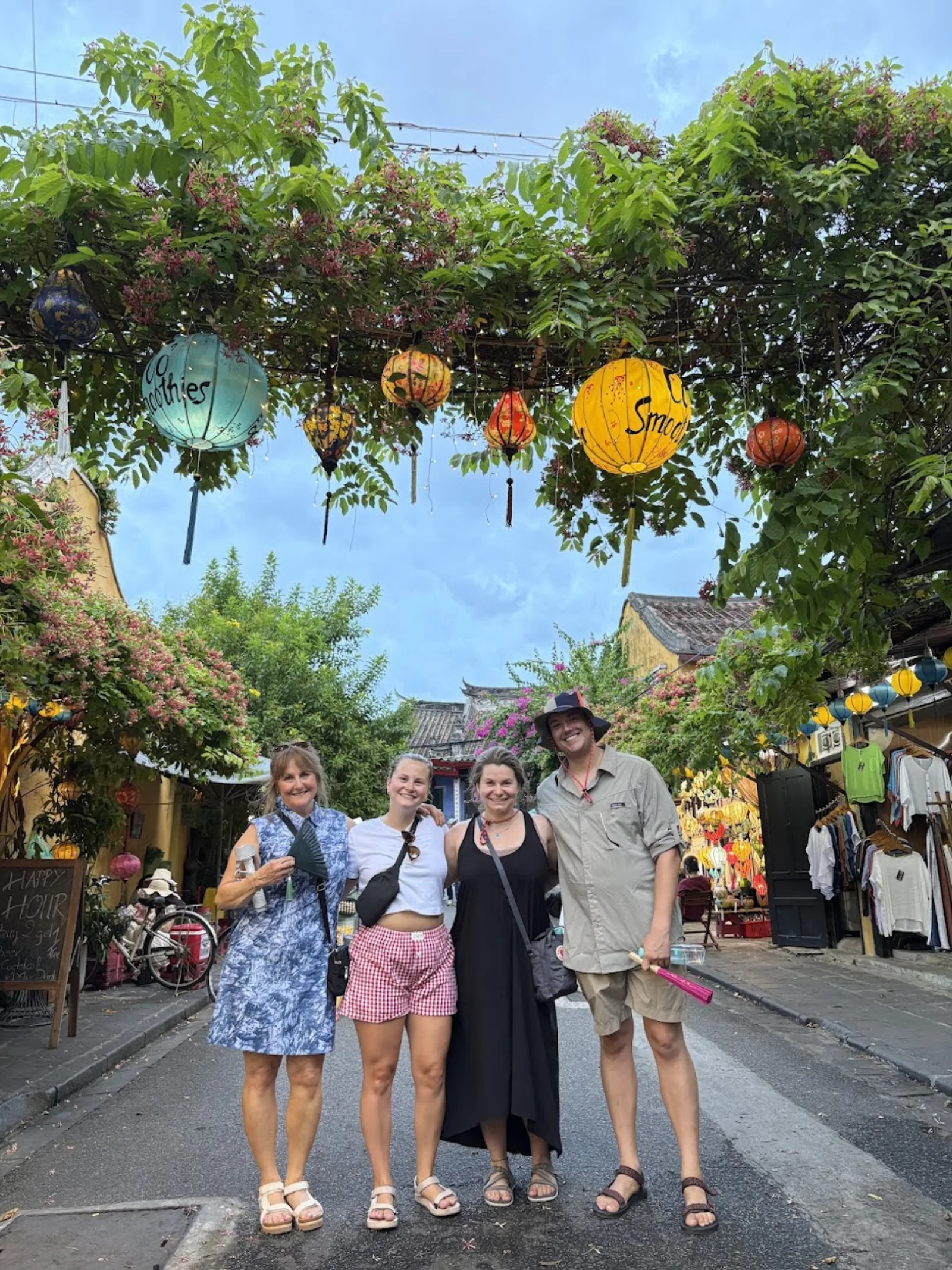
The bridge itself is a five-minute stop. What makes it worth the trip is that almost everything else in the Old Town is within a three-minute walk of it.
| From the bridge | Walk | Ticket | Worth it for |
|---|---|---|---|
| Fujian Assembly Hall | 4 min east | 1 of your 5 Ancient Town coupons | The most spectacular of the halls — the dragon courtyard and the sea-goddess altar. |
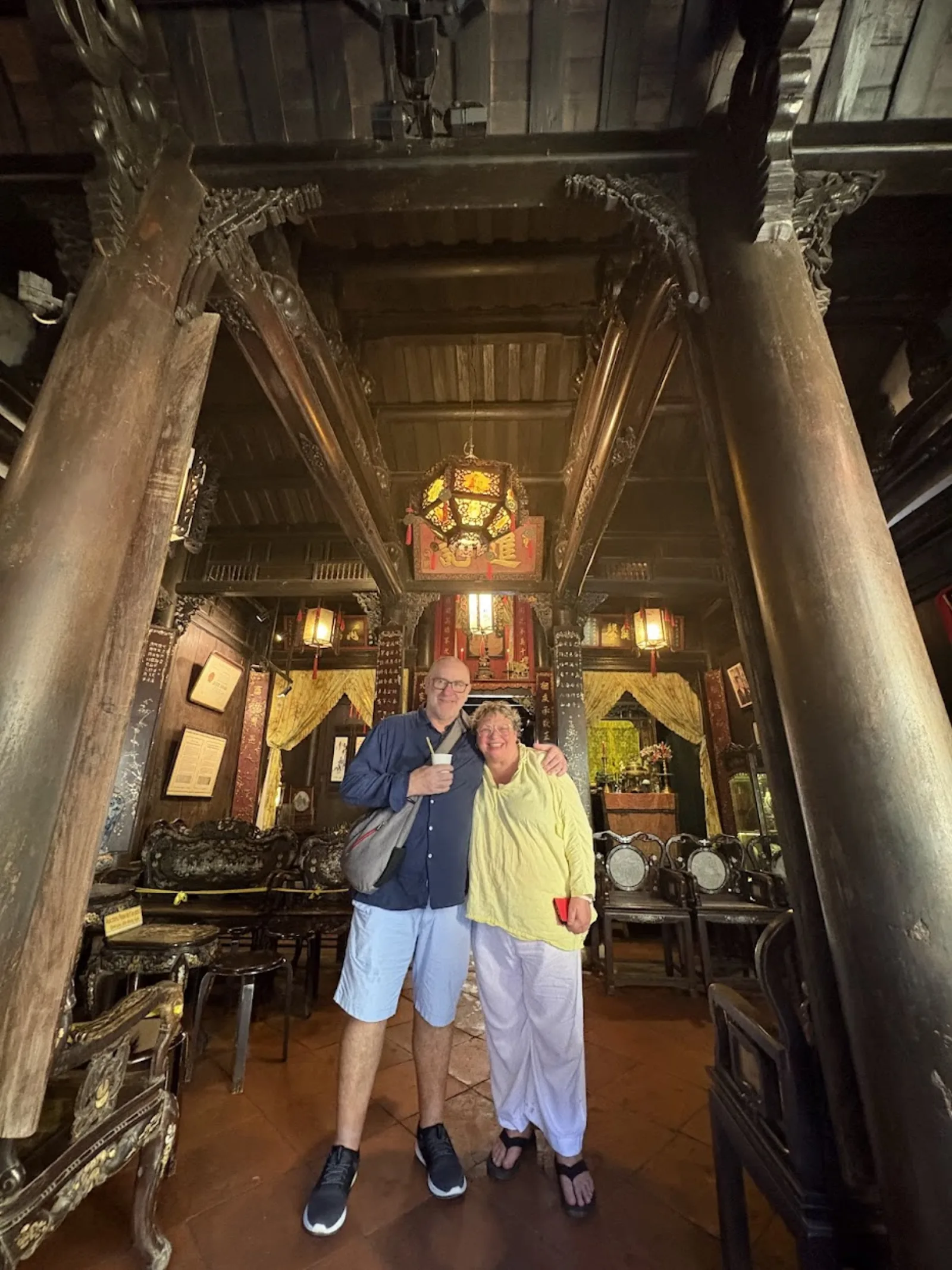
| Tan Ky merchant house | 3 min east | 1 coupon | An 18th-century trading house still owned by the same family, with the flood marks on the wall. |
| Quan Cong temple | 7 min east | 1 coupon | 1653, and still an active local temple rather than a museum. |
| Riverside market | 6 min southeast | Free | 6am–8am, before it turns into a souvenir aisle. |
| Trần Phú food street | 2 min east | Free | Cao lầu, white rose, chè — most of the food in one street. |
A proper Old Town walk loops through three or four of these and ends at the river. It is under two kilometres and still takes three to four hours, because the distance is not what makes it slow. The Old Town tour guide sets out the route in order and explains which coupons are actually worth spending, and the Old Town guide covers the wider history. If you are fitting it into a first trip, the three-day itinerary puts the bridge on the first morning for a reason.
The bridge after dark
From about 6pm the lanterns come on inside and along the eaves, and the bridge becomes the brightest thing on that stretch of water. It is also at its busiest: the evening crowd walks the river and funnels across here, and between 7pm and 9pm crossing can take a few minutes of shuffling.
The better way to see it at night is from outside. Walk to the riverbank a little downstream and look back, or take a short boat on the Hoài River and see it from the water with the reflections underneath. On the 14th day of each lunar month — the lantern festival night — the electric lights in the Old Town are dimmed and the bridge is lit mostly by lanterns and candles. It is the most beautiful version and the most crowded one. If you want both, see the bridge from the water at 6:30pm, then walk across it after 9pm when the evening crowd has moved to the night market and the lanterns are still lit. It is the quietest the bridge gets after dark, and most visitors are already back at their hotels by then. Bring a light layer in winter — the river breeze under the roof is cooler than the streets either side.
Photographing it without a crowd
- Before 6:30am, from the western end on Nguyễn Thị Minh Khai street, looking east along the length of the bridge. You will have it almost to yourself.
- From the riverbank downstream at dusk, for the side view with the canal and the lights. A wider lens helps; a phone in night mode is fine.
- From a boat in the evening, for the reflection. Agree the route with the boatman — ask to pass slowly under the bridge's side, not straight down the middle of the river.
- Inside, only early. After 8am the interior is full of people standing still for photos, and nobody gets the empty shot.
The bridge also appears several times in the old Hoi An photo archive — worth a look before you go, to see it with an electricity pole beside it and a dirt street running up to it a century ago. Standing in the same spot afterwards is the best five minutes of history the Old Town offers, and it costs nothing.
Related planning notes: Hoi An Old Town tour guide, Hoi An Old Town guide, and Hoi An itinerary for first-timers.
FAQ
A few practical follow-up questions
Only the questions that sit naturally inside this article are shown here, so the page stays focused.
Article FAQ
No — walking across the bridge is free and anyone can do it any time. The 120,000 VND Ancient Town ticket only applies if you want to enter the small temple inside the bridge, which is one of about 20 heritage sites the ticket covers.
Two windows: dawn to 07:00 for empty streets and soft light, or 17:30 to 18:30 for the golden-hour light just before the lantern festival crowd arrives. Avoid 10:00 to 14:00 when the bridge is full of group tours and photography is functionally impossible.
Built originally around 1593, the bridge has been rebuilt several times — most recently a major restoration completed in 2022 to address rotting foundation timbers. The current structure preserves the original 17th-century layout (including the temple inside) but uses partly replaced timber. The site itself, and the design, has been continuously there for 430+ years.
Because it is widely considered the most distinctive surviving piece of architecture from Vietnam's 16th to 17th century international trading period. The 20,000 VND note was redesigned in 2006 to feature heritage sites — Hoi An's Japanese Bridge represents that era. Most international travellers carry a picture of the bridge in their wallet without realising.
Five to ten minutes for the bridge and the temple inside. Plan two to three hours for the surrounding Old Town, which is the real reason to be there — Fujian Assembly Hall, Tan Ky house and Tran Phu food street are all within a few minutes' walk.
Same topic
More in this topic
If this topic is close to your trip, these notes stay within the same planning lane without sending you off into a wider archive.
Related tours
If you want to turn the note into a real plan
These tours sit closest to the topic you just read, so the next step stays grounded in the actual route options.
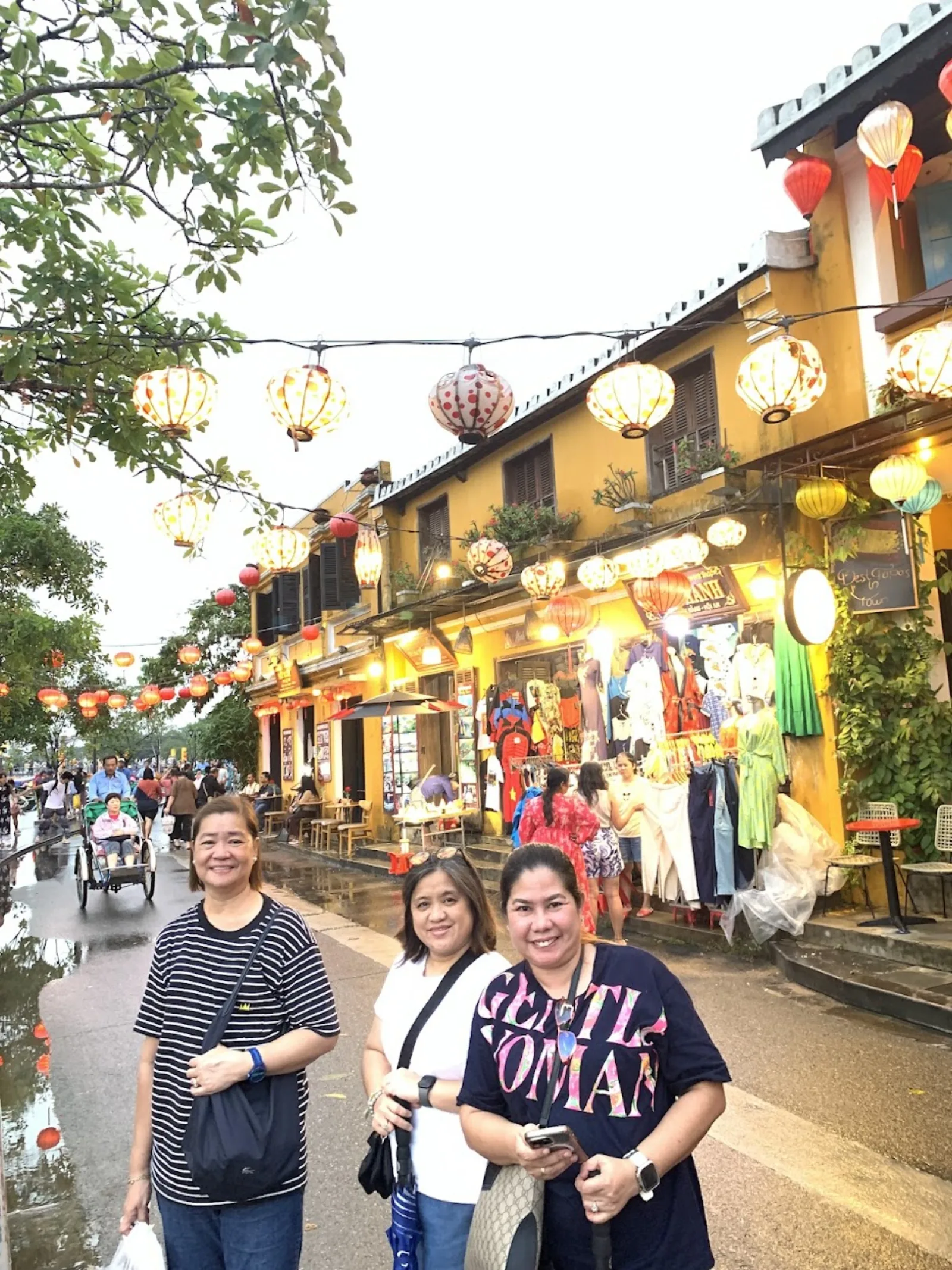
Walking & Street Food Tour
Hoi An Ancient Town Walking & Street Food Tour
Join our half-day tour to explore the best of Hội An. Walk through lantern-lit streets, visit iconic landmarks, and enjoy delicious local food.
3 to 4 hours
Explore the Hoi An Ancient Town Walking & Street Food Tour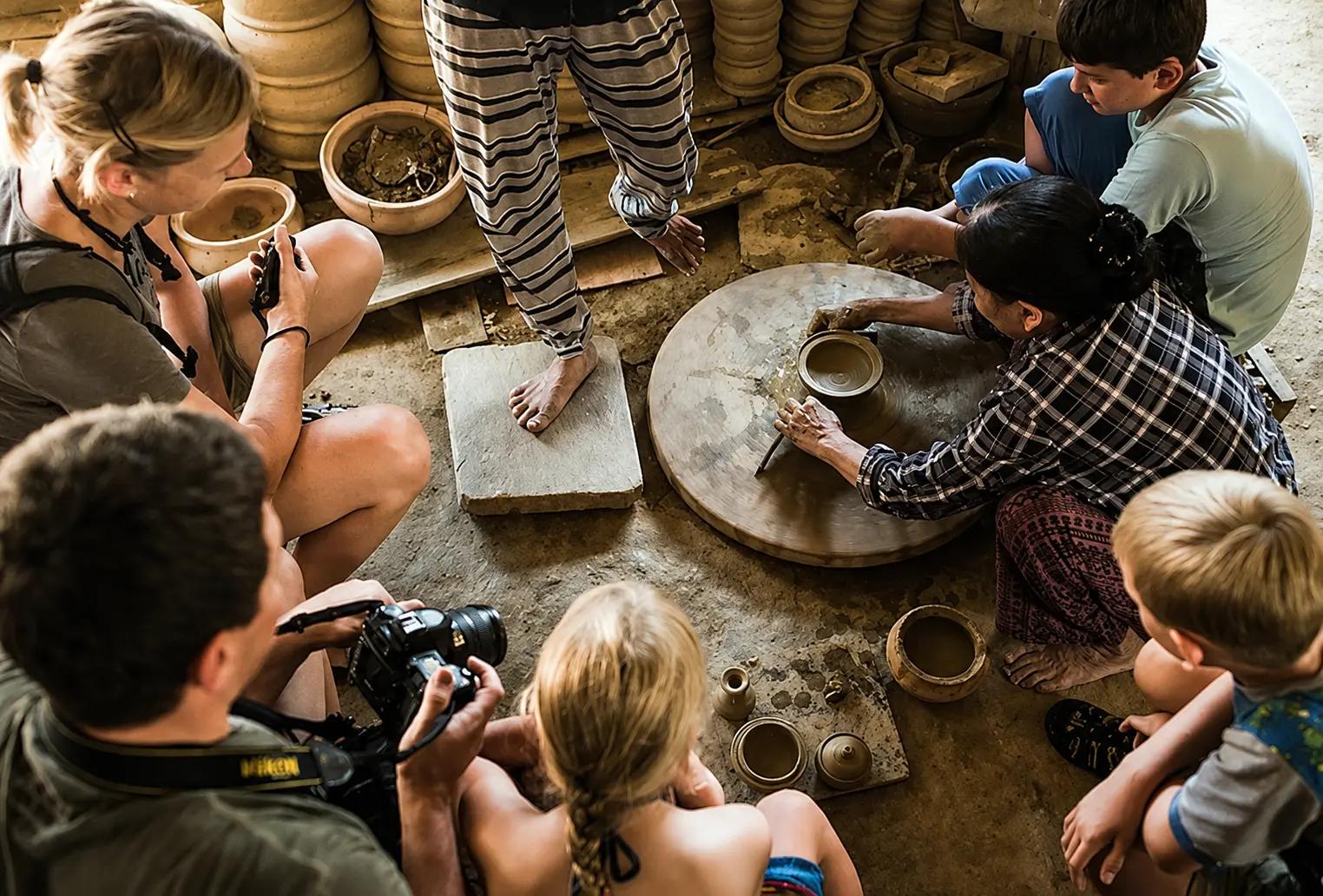
Local Life
Hoi An Full-Day Old Town and Villages Tour
One full day covering the Ancient Town on foot and the craft villages across the river: Japanese Bridge, merchant houses, Kim Bong carpentry, Thanh Ha pottery and a riverside lunch.
About 8 hours
Explore the Hoi An Full-Day Old Town and Villages TourNext step
If you want to turn this into a real route, start with the tours
Use the article for context, then move into the private tour pages when you want to compare the actual route styles more directly.