
Dish guide
Banh Xeo in Hoi An: Why Ours Comes With Liver Sauce, Not Fish Sauce
Everywhere else in Vietnam, banh xeo comes with sweet fish sauce. Hoi An serves it with a thick pork liver and peanut sauce, and the pancake is half the size. Here is the local version, and how to eat it without getting it wrong.
May 29, 2026 · 8 min read
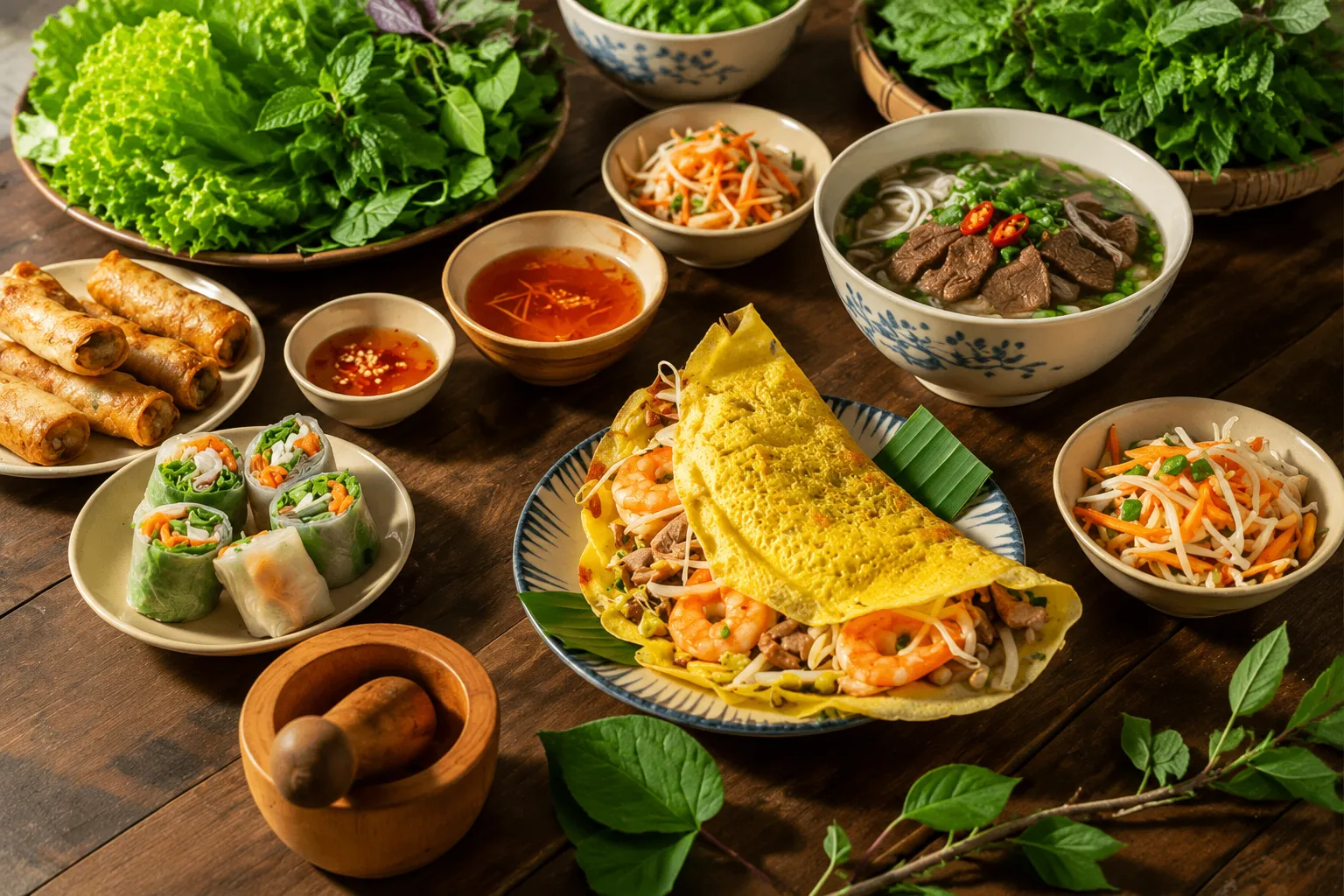
Last updated: 6 September 2026 — written by Fin, a local guide in Hoi An.
The short answer
Banh xeo is a rice-flour pancake, fried until the edges shatter and folded over shrimp, pork belly and bean sprouts. The name is the sound it makes — xèo — when the batter hits hot oil. But the version you eat in Hoi An is not the one on most Vietnamese restaurant menus abroad, and the difference that matters is not the pancake at all. It is the sauce.
- Size: about the width of your hand, not the 30 cm dinner plate you get in the Mekong Delta
- Batter: rice soaked overnight then ground, turmeric for the colour, and no coconut milk
- The sauce: nước lèo — bean soy sauce stewed with pork liver and ground peanuts, not the sweet fish-sauce dip
- Price: 20,000–40,000 VND a cake (roughly $0.80–$1.60)
- How you eat it: with your hands, wrapped in rice paper, never with chopsticks
- When it is best: the rainy season and the cool months, October to February
Why Hoi An banh xeo is not the banh xeo you have eaten before
If you have had banh xeo in Saigon or in a Vietnamese restaurant at home, you have eaten the southern one: a wide, pale, floppy crepe with coconut milk in the batter, folded over a generous pile of filling and cut into wedges.
Ours is a different dish wearing the same name. It is small enough to sit in your palm, the crust is thicker and much crisper, and there is no coconut milk anywhere near it. You get one shrimp and one slice of pork belly per cake, a handful of bean sprouts, and that is the whole filling. Two people will eat six or eight between them.
| Hoi An / central | Mekong / southern | |
|---|---|---|
| Size | Hand-sized, about 15 cm | Up to 30 cm across |
| Crust | Thicker, crisp all the way through | Thin, softer, chewier at the centre |
| Coconut milk in batter | No | Yes |
| Filling | One shrimp, one slice of pork belly, bean sprouts | Shrimp, pork, bean sprouts, often mung bean |
| Dipping sauce | Nước lèo — pork liver and peanut | Nước chấm — sweet, sour fish sauce |
| Eaten with | Rice paper, Tra Que herbs, unripe banana, star fruit | Lettuce and herbs, sometimes rice paper |
| Price | 20,000–40,000 VND per cake | Usually sold per plate |
The sauce is the whole argument
This is the part I most enjoy watching guests react to. Everywhere else in Vietnam, banh xeo arrives with nước chấm — the clear, sweet-sour fish sauce with chilli and garlic floating in it.
In Hoi An you get nước lèo, and it looks wrong to a first-timer: thick, brown, slightly grainy, sitting in the bowl like a gravy. It is made from bean soy sauce stewed together with pork liver and finely ground peanuts, thickened with a spoon of rice flour until it reaches the consistency we call sềnh sệch — somewhere between a sauce and a paste.
Every shop guards its own version. The stall by the Ba Le well has been making the same recipe for over twenty years and will not discuss it, which in this town counts as a marketing strategy.
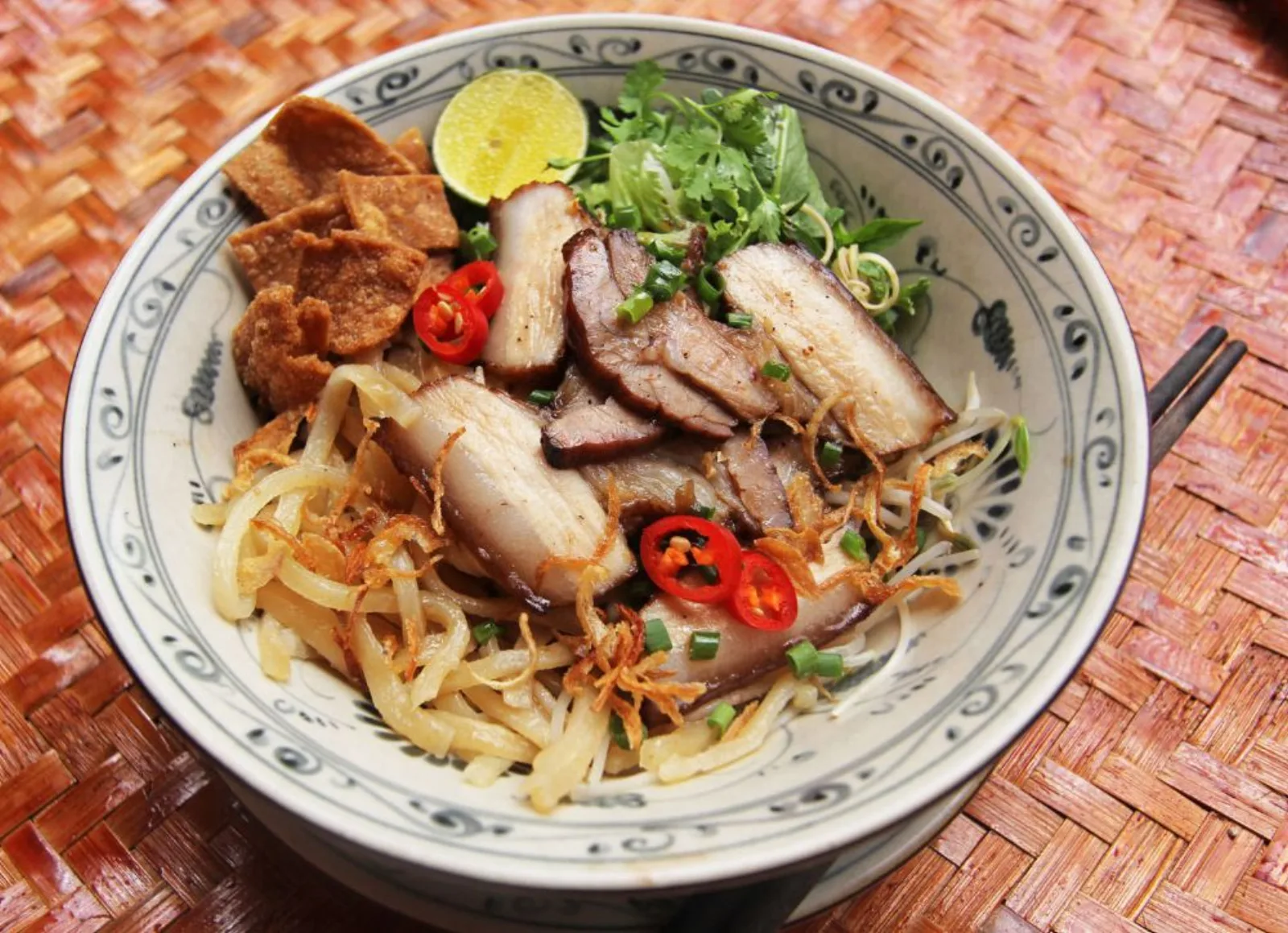
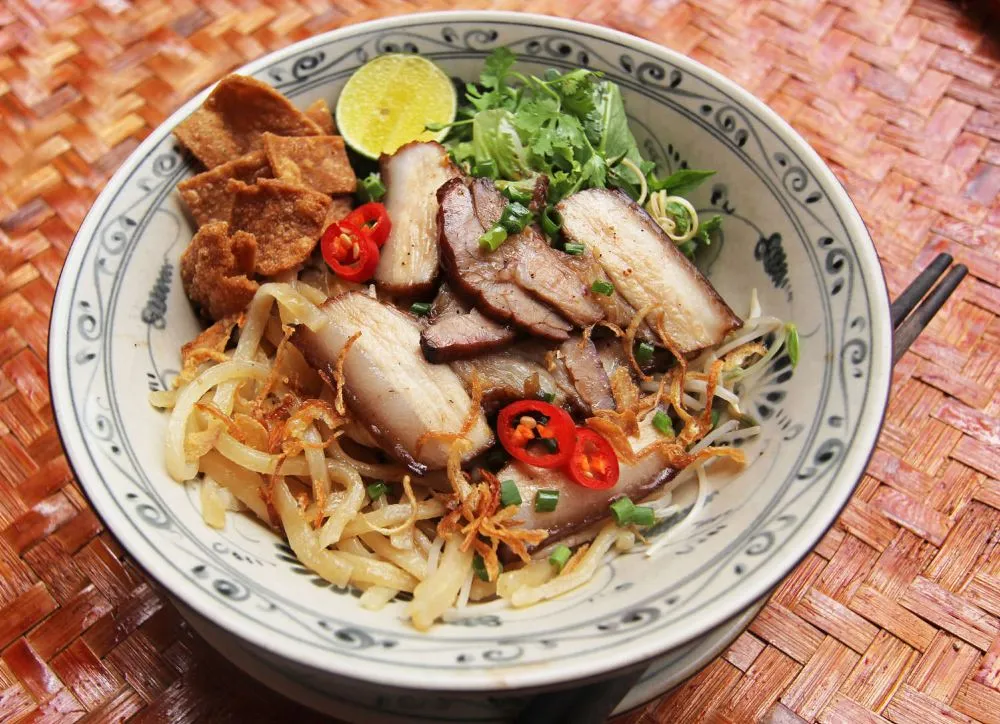
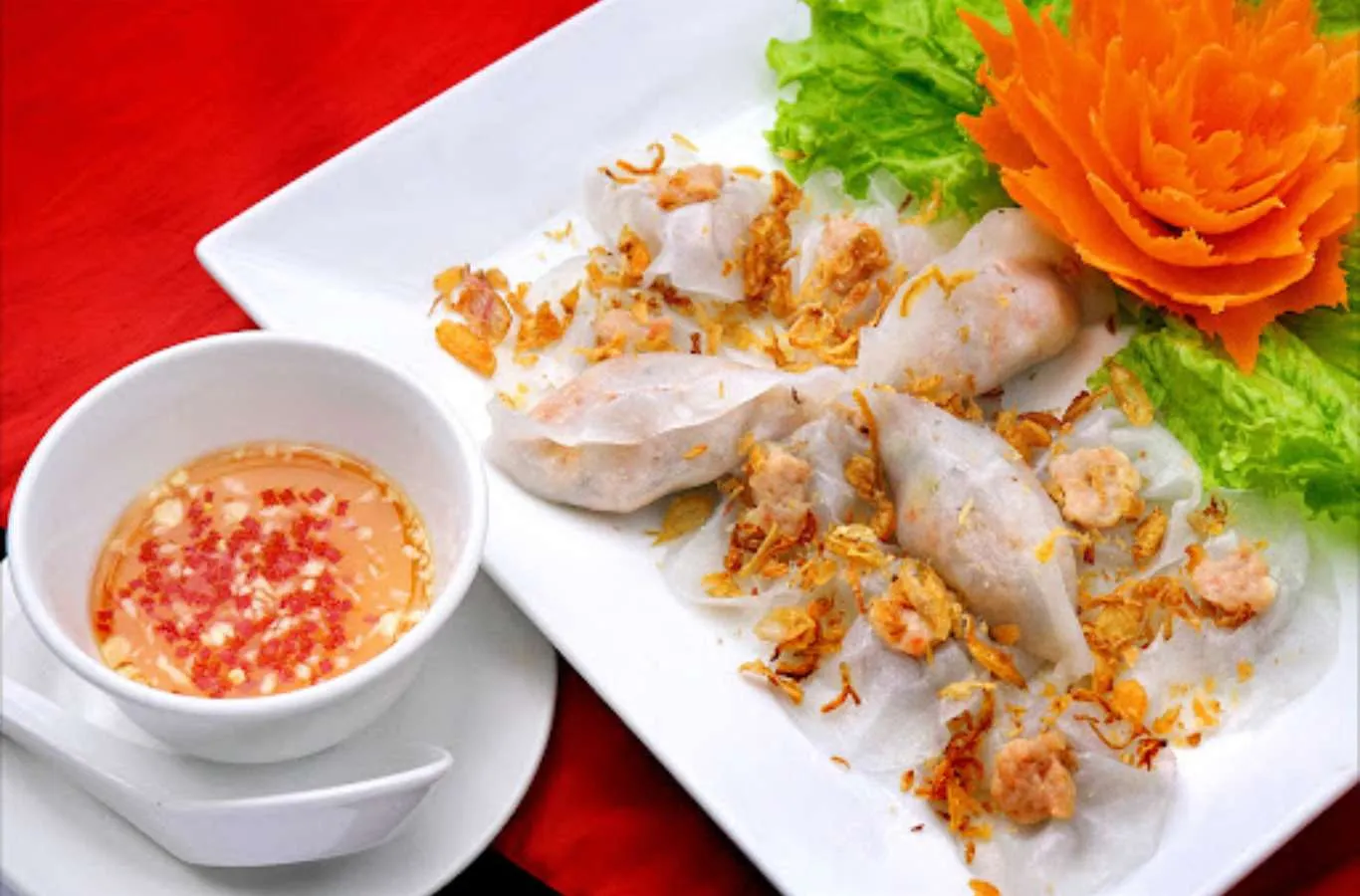
If you have been working through the town's other specialities — the cao lau that only exists inside the old city limits, or the white rose dumplings two families still fold by hand — you will recognise the pattern. Hoi An takes a dish that exists everywhere and changes one component completely.
How it is actually made
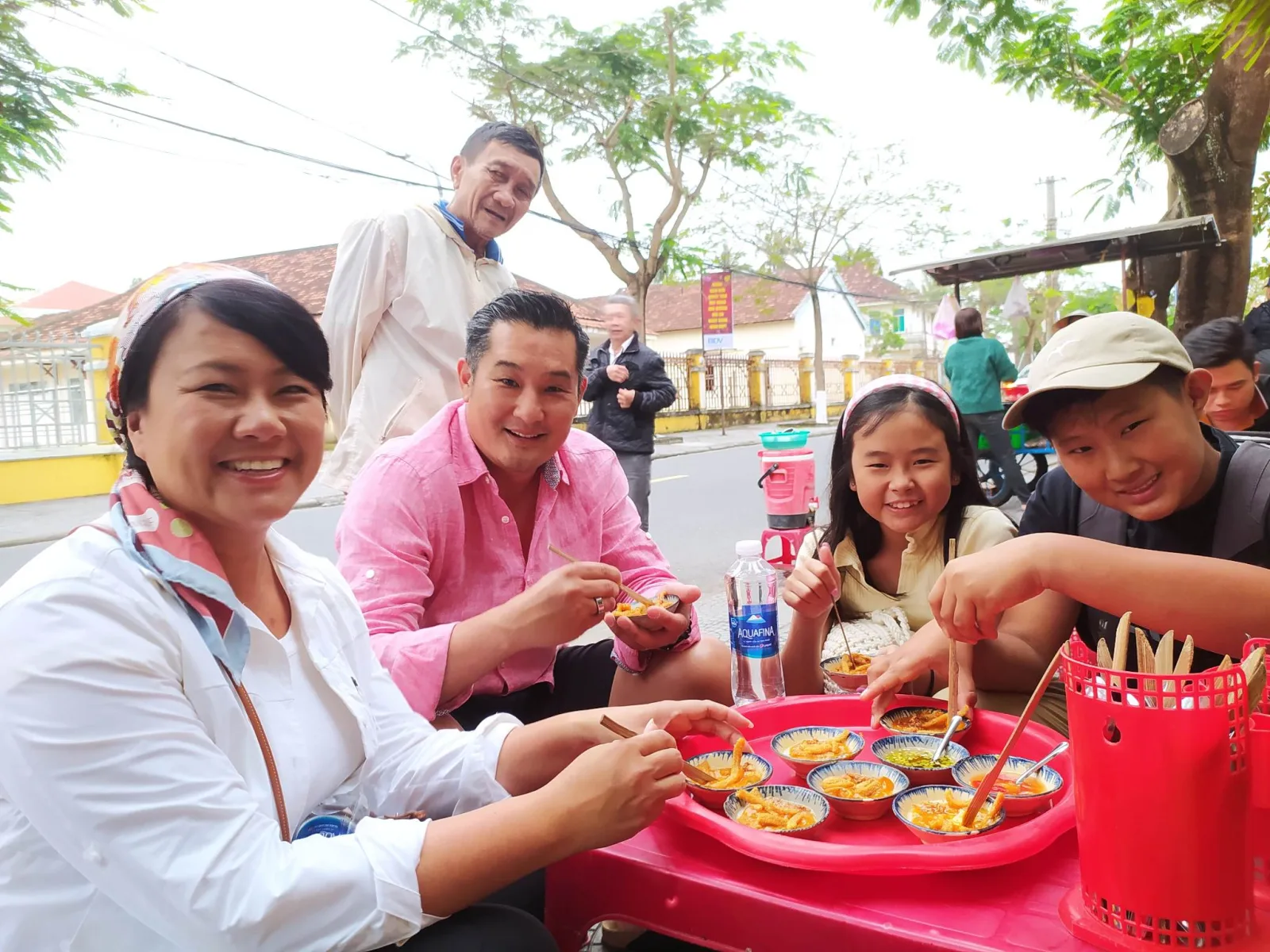
Stand at the pan for a few minutes before you sit down. It is worth it.
The rice is soaked in water until soft, then ground — the soaking is not optional, and getting the batter thickness right is the entire craft. Too thick and the cake comes out dry and tough. Too thin and it goes soft and sticks.
Then the part nobody expects: the cook greases the cast-iron pan with a spring-onion stalk dipped in peanut oil, wiping it round the surface like a brush. One shrimp goes in, one slice of pork belly, a ladle of batter — xèo — bean sprouts scattered on top, and a lid on for a few seconds to steam the sprouts while the base crisps. Then it is folded over like a half-moon and pushed onto your plate.
They are made continuously and eaten continuously. Nobody in Hoi An makes a stack of banh xeo and brings it over. A cake that has sat for five minutes has lost the only thing it had, which is why the good shops will not take a large order in advance and why the pan never stops on a busy evening. If you arrive to find a queue, that is the queue working as intended — you are waiting because your cakes have not been made yet.
How to eat it without getting it wrong
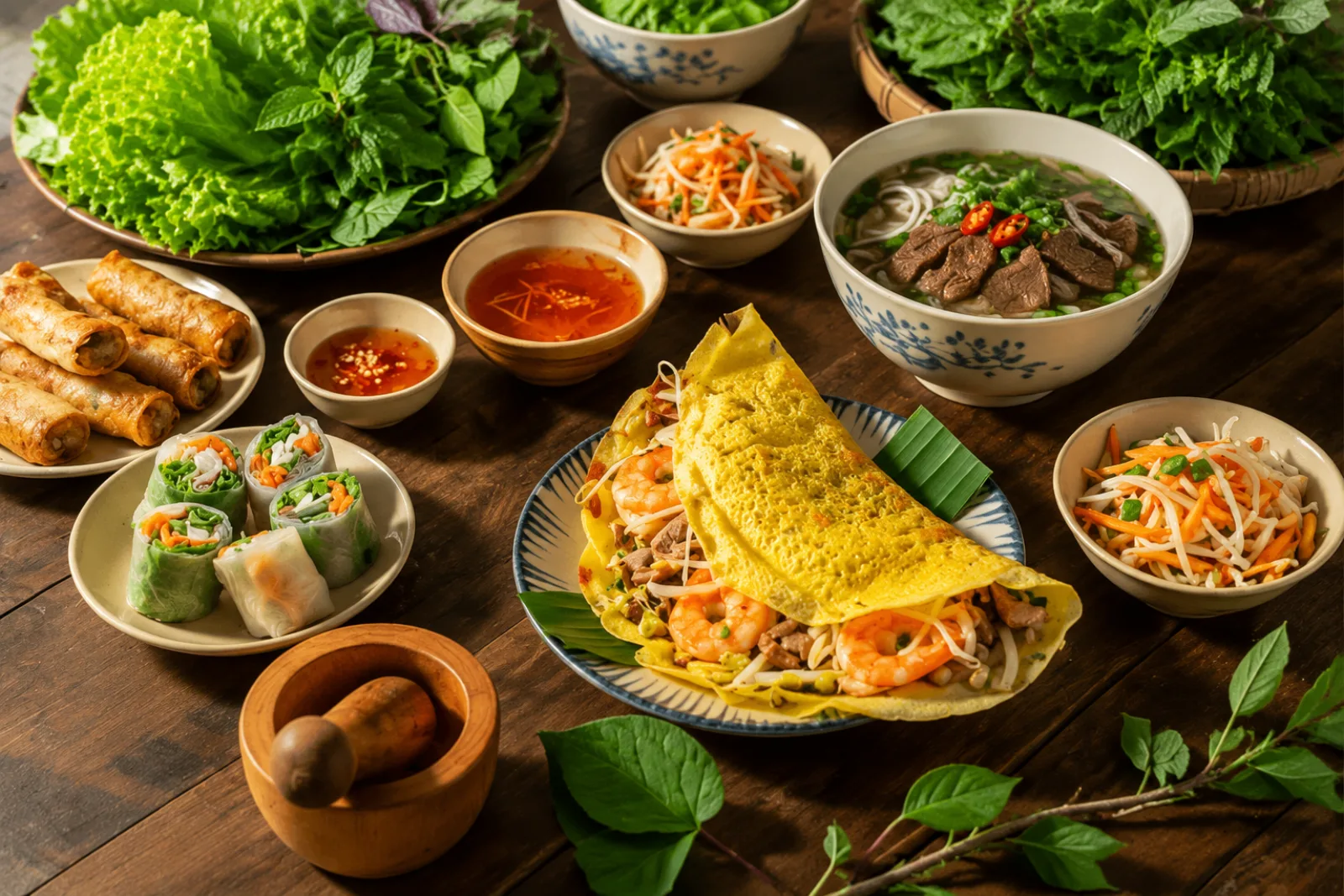
You do not use chopsticks. You do not use a fork. This is a hands dish, and the plate of rice paper and greens next to you is not a garnish — it is the cutlery.
- Take one round of rice paper. If it is the dry kind, dip it in the water bowl for two seconds; if it is already soft, use it as is.
- Lay down two or three leaves — lettuce, mint, perilla, Vietnamese basil.
- Tear off half the pancake and put it on the herbs. Half, not the whole thing, or the roll will not close.
- Add the sharp things: a slice of unripe banana, a sliver of star fruit, thin cucumber. These are what stop it feeling heavy.
- Roll it, tuck the sides, dip one end into the nước lèo, and eat it in two bites.
The unripe banana and star fruit are the step travellers skip because they look unfamiliar. They are astringent and slightly sour, and they exist precisely to cut the fried pork fat. Skip them and by the fourth cake you will be full in a way you did not want to be.
The herbs, incidentally, mostly come up the road from Tra Que vegetable village, where they are grown in seaweed dredged out of the lagoon. That is why the mint in Hoi An tastes stronger than the mint you get elsewhere.
Where to eat it
| Where | Address | Hours | Price |
|---|---|---|---|
| Bánh Xèo Hải Đảo | 160 Lý Thái Tổ, Cẩm Châu | 07:00–22:00 | 20,000–40,000 VND per cake |
| The stall by the Ba Le well | Off Phan Chu Trinh, in the alley | Late afternoon into evening | 25,000–40,000 VND per portion |
Both are a few minutes out of the tourist core, which is the point. Hải Đảo is the one I take guests to when they want to sit properly and order a mixed set; the Ba Le well stall is where you go if you want to eat standing up in an alley with a plastic stool and no menu.
Order banh xeo on its own and you have a snack. Order it as a set with ram — the small crisp fried rolls you can see in the photo above — and nem lụi, pork grilled on lemongrass skewers, and you have dinner. A full mixed set runs closer to 80,000–150,000 VND a head.
When to come for it
Banh xeo is cold-weather food here. Ask anyone local when they eat it and they will tell you the rainy season, or những ngày thời tiết se lạnh — the days when the air turns cool.
That is October through February, which is exactly the stretch most visitors are told to avoid. It is not a coincidence that it is also when the town is quietest and the food is best. There is more on that trade-off in the guide to the best time to visit Hoi An.
In July and August you can still get it, and it is still good. But you will be eating a hot fried thing in 35-degree heat, and the shop will be half empty, and both of those tell you something.
For what else is worth eating and when each thing appears, the Hoi An food guide covers the full list, and the street food timing guide has the hour-by-hour version.
Related planning notes: what to eat in Hoi An, cao lau guide, and Hoi An street food timing guide.
Eat it with someone who knows the shop
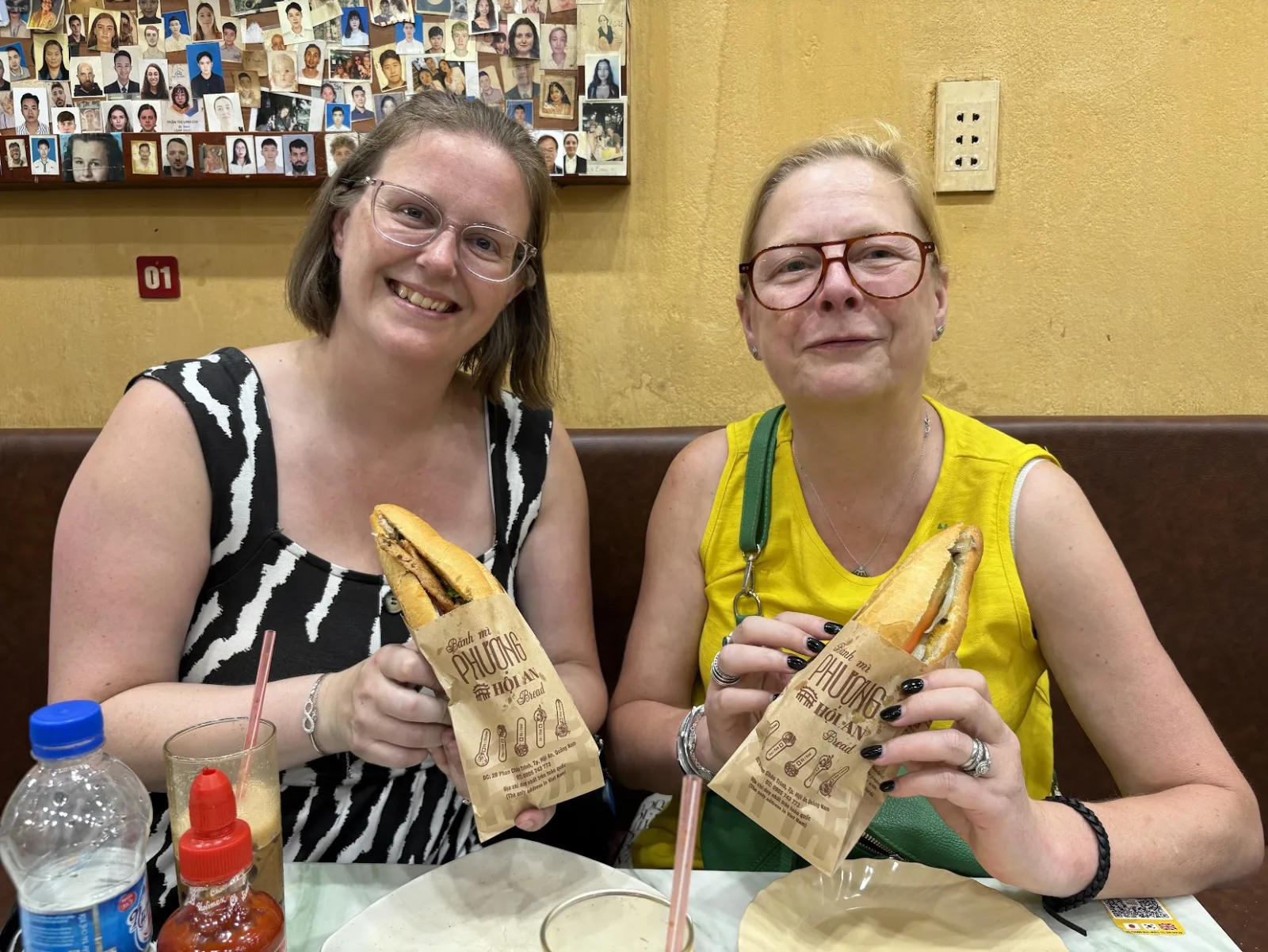
Half of eating well in this town is knowing which door to walk through and what to say once you are inside. On the Hoi An food tour I take guests to the family kitchens I actually eat at, order in Vietnamese, and explain what is in front of you before you have to guess.
Message me on WhatsApp and tell me when you are arriving. If you are still deciding what to see and eat, start with the private tours or read what else is worth eating in the Hoi An food guide.
FAQ
A few practical follow-up questions
Only the questions that sit naturally inside this article are shown here, so the page stays focused.
Article FAQ
Rice flour batter coloured with turmeric, fried in a hot pan and folded over shrimp, pork belly and bean sprouts. The Hoi An version uses no coconut milk — the rice is soaked and ground, and the batter is kept thin enough to crisp. It is served with rice paper, fresh herbs and a dipping sauce.
Three things. Size — the Hoi An cake is hand-sized, the southern one can be 30 centimetres across. Batter — the southern version contains coconut milk, the Hoi An one does not, which is why it is crisper. And the sauce — the south serves sweet-and-sour fish sauce, while Hoi An serves nuoc leo, a thick sauce of bean soy sauce, pork liver and ground peanuts.
20,000 to 40,000 VND for a single cake, roughly $0.80 to $1.60. A mixed set with ram and nem lui, which is what most people order for dinner, comes to 80,000 to 150,000 VND a head. Prices checked September 2026.
No. You eat it with your hands. Tear off half a pancake, lay it on rice paper with herbs, add unripe banana and star fruit, roll it, and dip one end in the sauce. Using chopsticks is the clearest sign at the table that someone has not eaten it before.
The rainy season and the cool months, October to February. It is treated locally as cold-weather food, and it is at its best on a wet evening when the pan is running constantly and every cake reaches you straight out of the oil.
Same topic
More in this topic
If this topic is close to your trip, these notes stay within the same planning lane without sending you off into a wider archive.
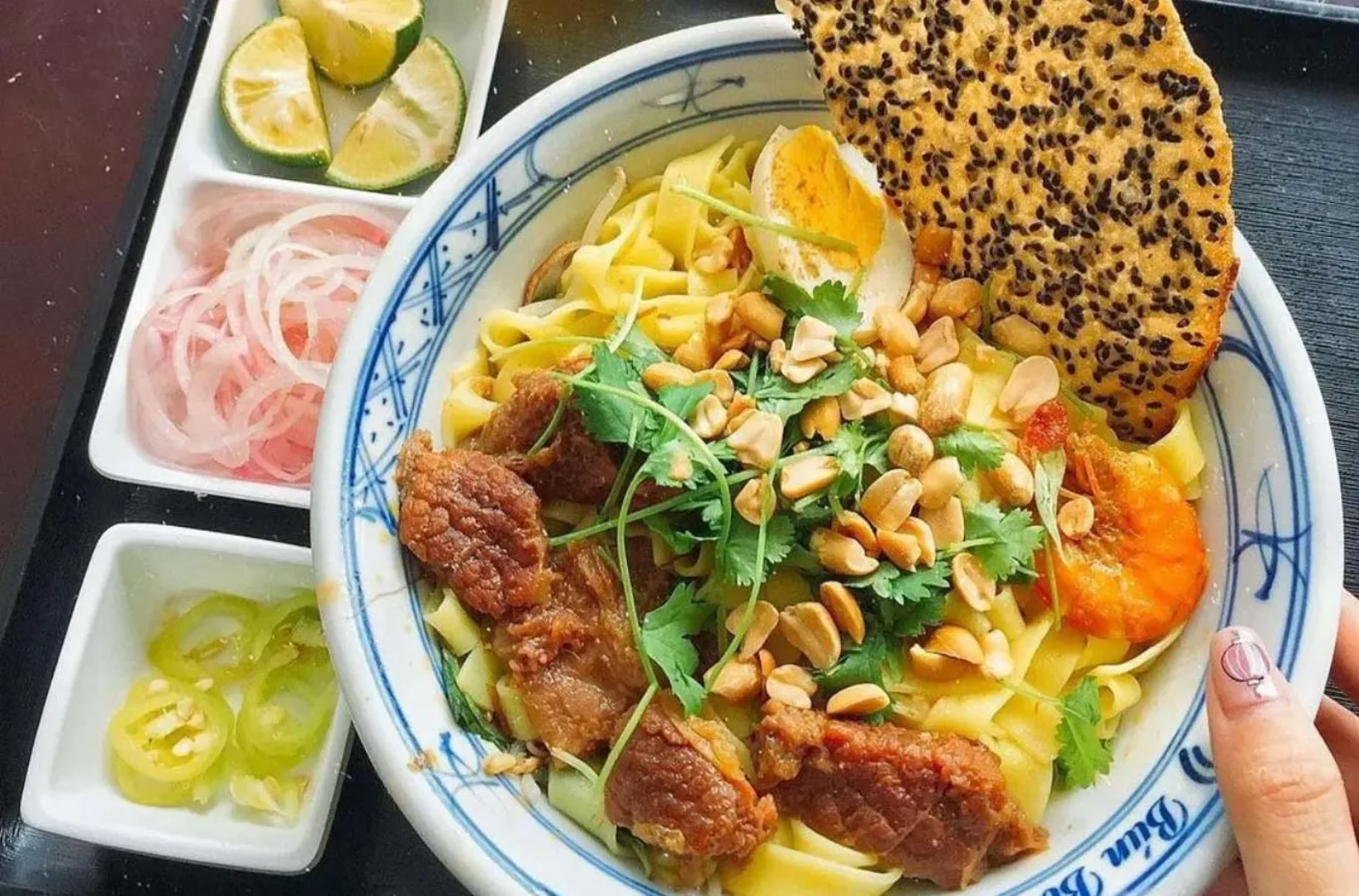
Related tours
If you want to turn the note into a real plan
These tours sit closest to the topic you just read, so the next step stays grounded in the actual route options.
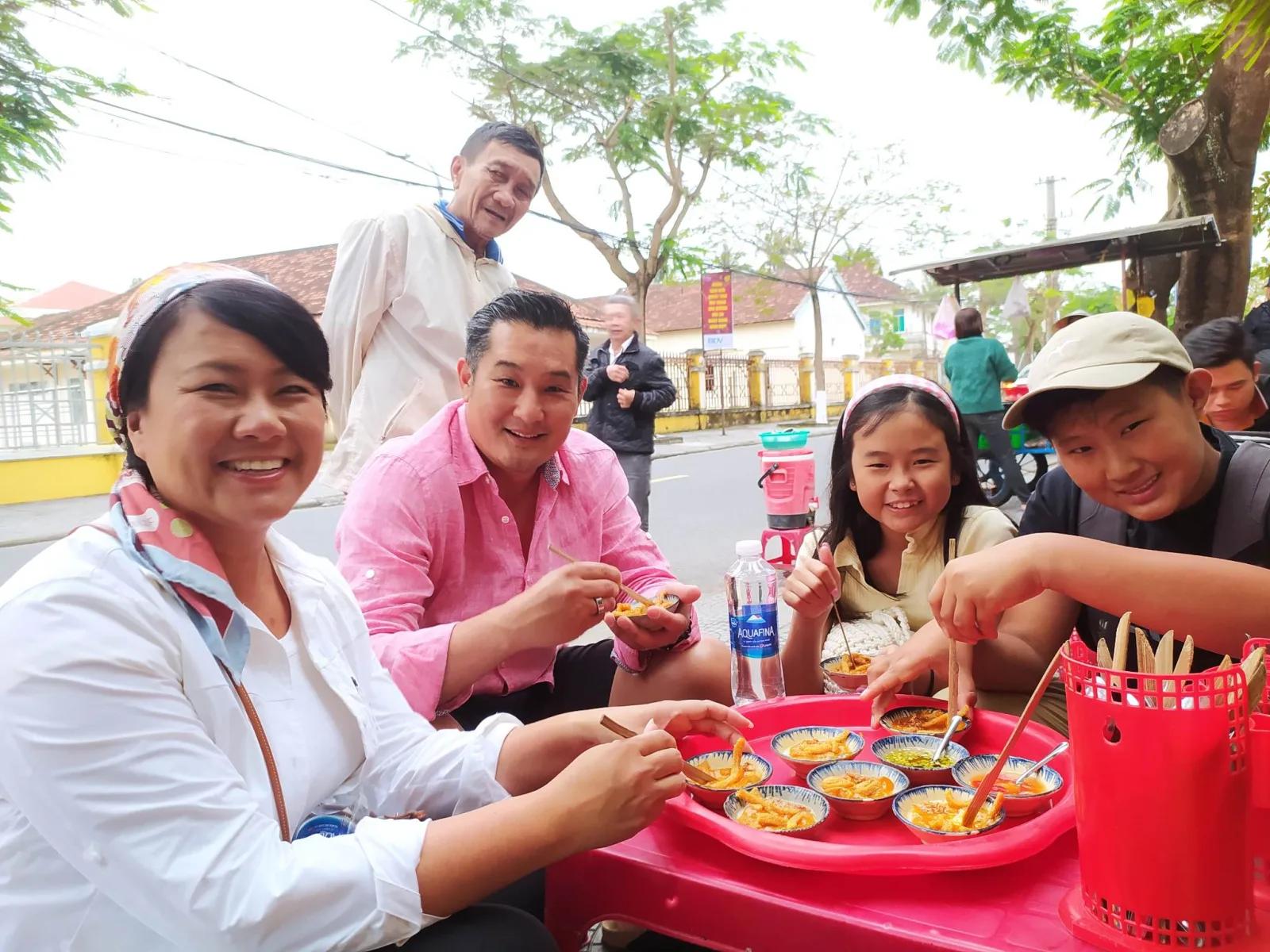
Food Tour
Hoi An Street Food Tour with Local Expert
A private evening route for flavour, conversation, and a softer look at Hoi An after dark.
3 hours
Explore the Hoi An Street Food Tour with Local Expert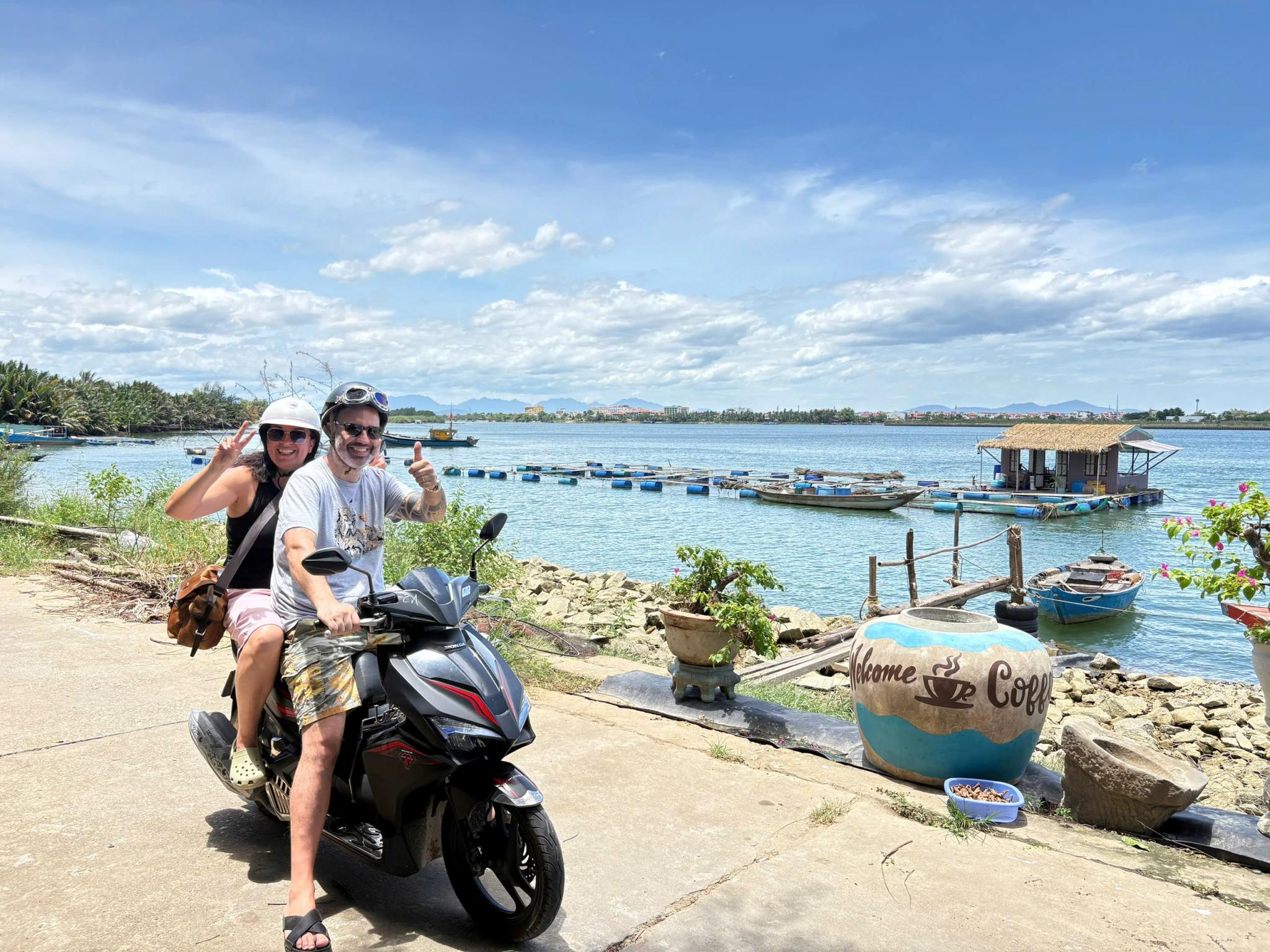
Local Life
Special Hoi An Countryside by Motorbike Tour
Ride through scenic village backroads, visit ancestral artisan workshops, and enjoy a basket boat glide followed by a home-cooked lunch.
4 hours
Explore the Special Hoi An Countryside by Motorbike TourNext step
If you want to turn this into a real route, start with the tours
Use the article for context, then move into the private tour pages when you want to compare the actual route styles more directly.