
Food and local tastes
Hoi An Street Food Timing Guide: When Locals Actually Eat
Most guides tell you where to eat in Hoi An. This one tells you when — the exact hours local vendors appear and vanish, from 6am bun to 10pm che by the bridge.
Jul 23, 2026 · 14 min read
Last updated: 23 July 2026 — written by Fin, a local guide in Hoi An. Vendor data verified via TripAdvisor and local community sources (Hội An Xưa group, 212 posts archived).
Why timing matters more than the restaurant name
Most Hoi An food guides tell you where to eat. Almost none tell you when. This is the gap that makes tourists miss the best food — or arrive at a stall that closed two hours ago.
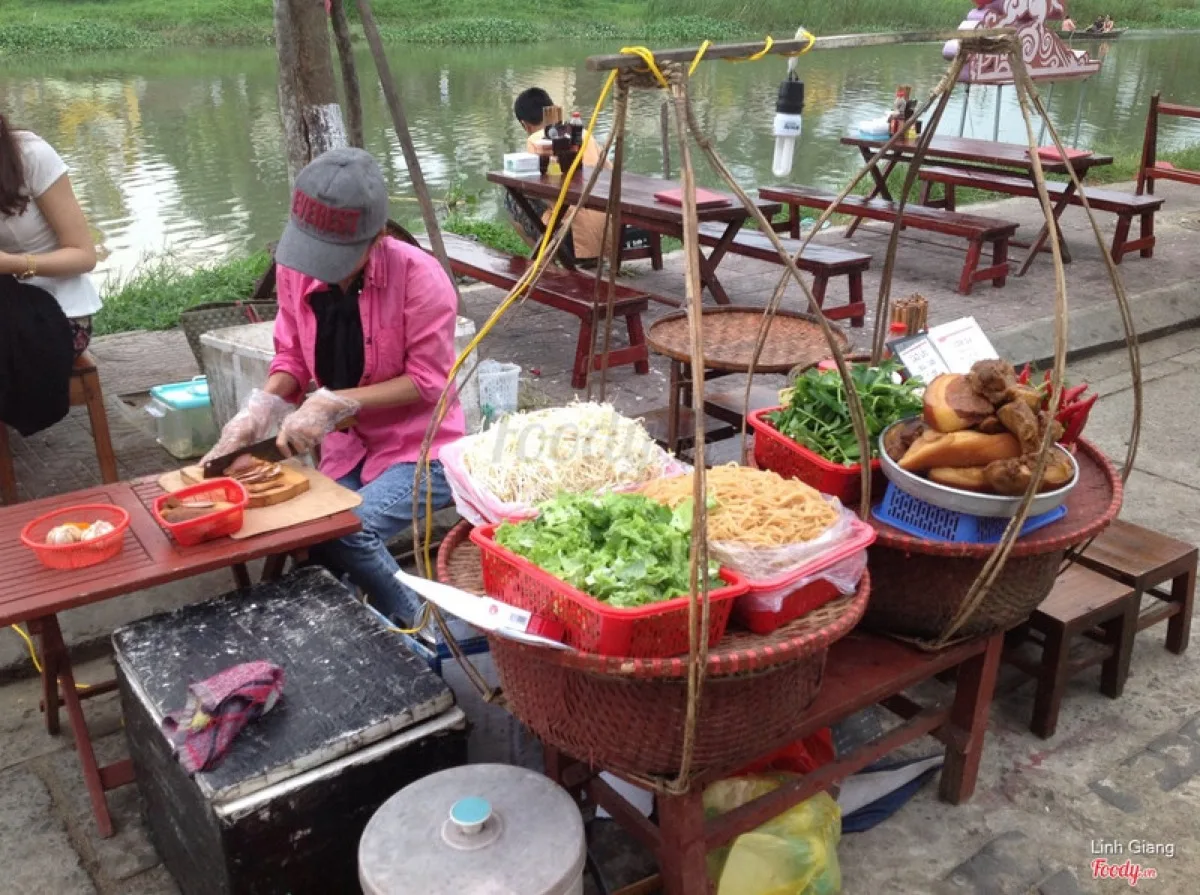
Hoi An's street food runs on a local clock that has nothing to do with restaurant opening hours. A cao lầu vendor appears at 7am and vanishes by 10am. A bún bò gánh sets up at exactly 2:30pm. A chè seller opens at 10am sharp and refuses to serve after 5pm — even if the pot is still full. These are not restaurants with flexible hours. They are one-woman operations with a single pot, a bamboo pole, and a schedule older than tourism.
This guide is built from 212 archived posts in the Hội An Xưa community group — memories from people who grew up eating from these vendors — cross-referenced with current TripAdvisor listings for vendors still operating today.
The Hoi An street food clock
| Time | What appears | Where | Who |
|---|---|---|---|
| 6:00–9:00 | Bún (rice vermicelli soup), xôi (sticky rice) | Phan Chu Trinh, market lanes | Bà Mông (bún, till 9am), xôi đậu xanh vendor opposite |
| 7:00–10:00 | Cao lầu | 26 Thái Phiên (Cao Lầu Thanh) | Family, 20+ years |
| 10:00–17:00 | Chè đậu đen (black bean sweet soup) | Nguyễn Duy Hiệu (historic), now various spots | Legacy of Bà Chỉ (1963) |
| 13:00–14:00 | Mì Quảng, bánh tiêu, bánh bò | Nguyễn Thái Học × Lê Lợi intersection | Mì Quảng Ông Hai (6A Trương Minh Lương) |
| 14:30–17:00 | Bún lòng bò (beef offal vermicelli) | Lê Lợi sidewalk | Legacy of Bà Hiền / Bà Dần |
| 17:00–21:00 | Cao lầu, white rose, wontons | 49/3 Trần Hưng Đạo (Bá Lễ), 533 Hai Bà Trưng (White Rose) | Established restaurants |
| 19:00–22:00 | Chè, kem (ice cream), night snacks | Chùa Cầu area, night market | Gánh chè Bà Quang (historic), night market stalls |
Morning (6:00–10:00): bún, xôi, and the first cao lầu
The morning in Hoi An belongs to bún and xôi. Before the tourist crowds arrive, local workers and students eat quickly at sidewalk stools. The most documented morning vendor in community memory is Bà Mông, who sold bún from her doorstep every morning until 9am sharp — then closed. Opposite her, a woman sold xôi đậu xanh (mung bean sticky rice), and customers would buy a packet of xôi, walk across the street, and eat both together.
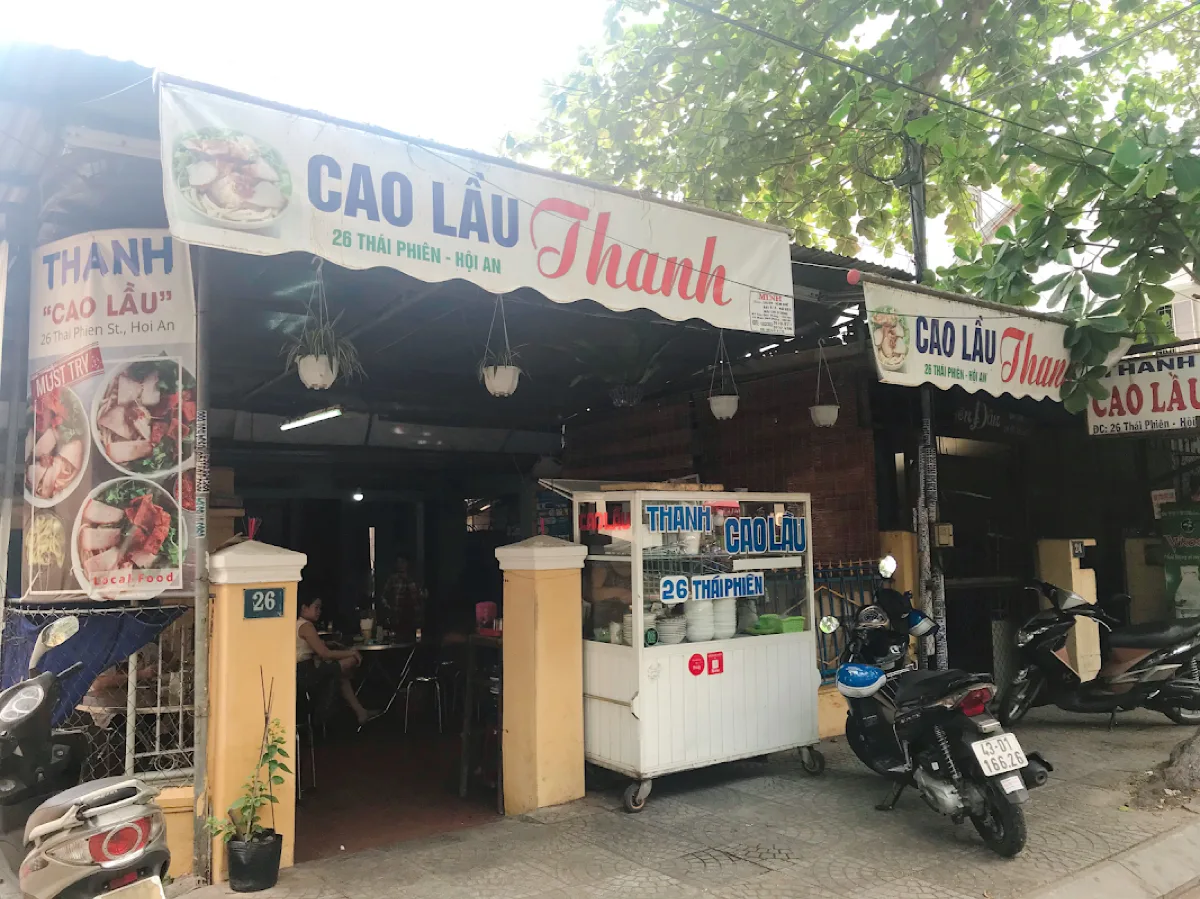
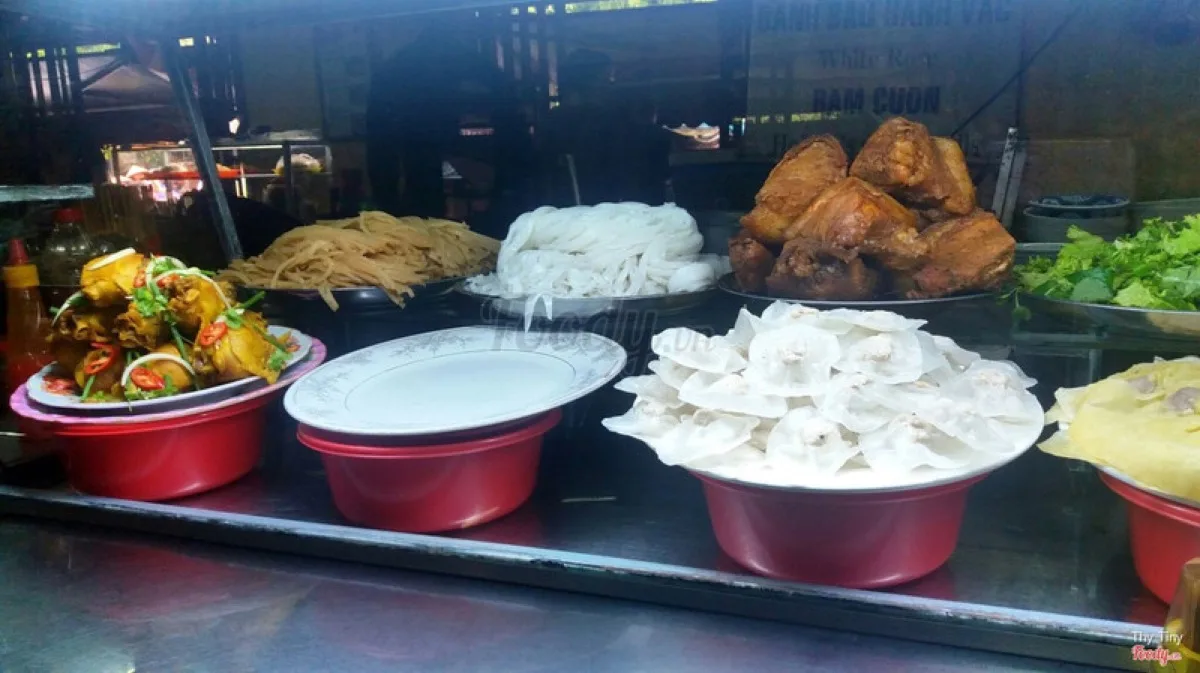
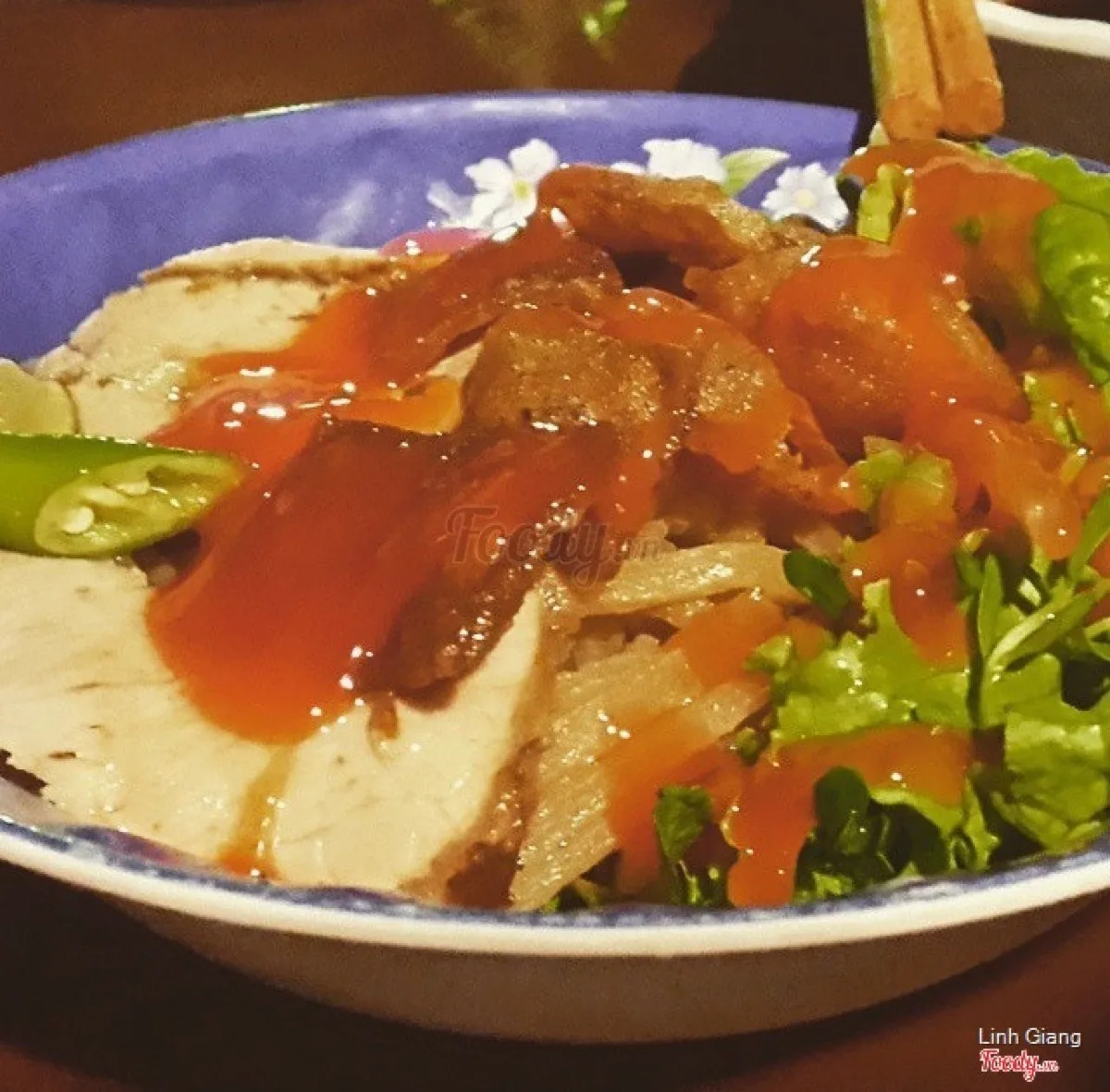
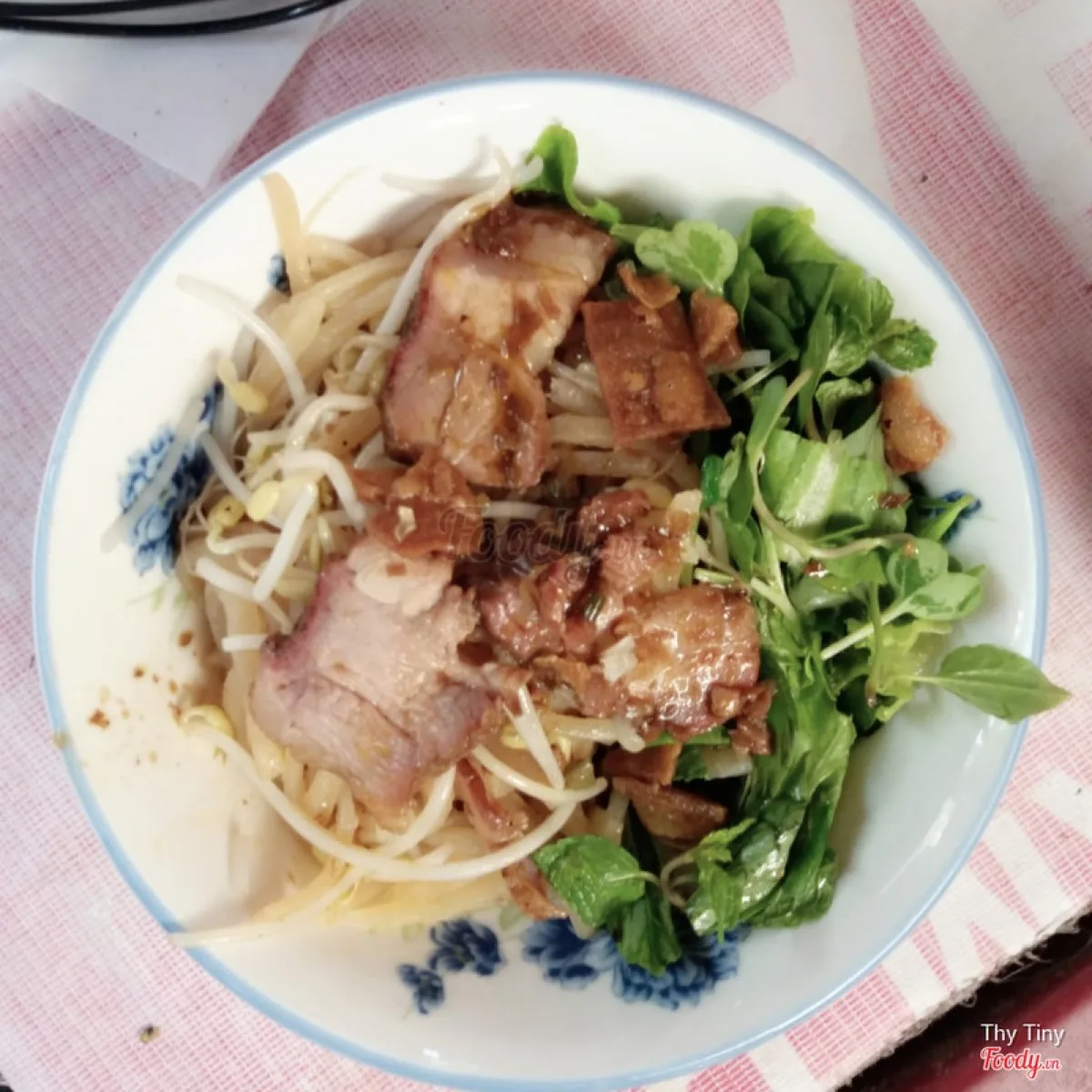
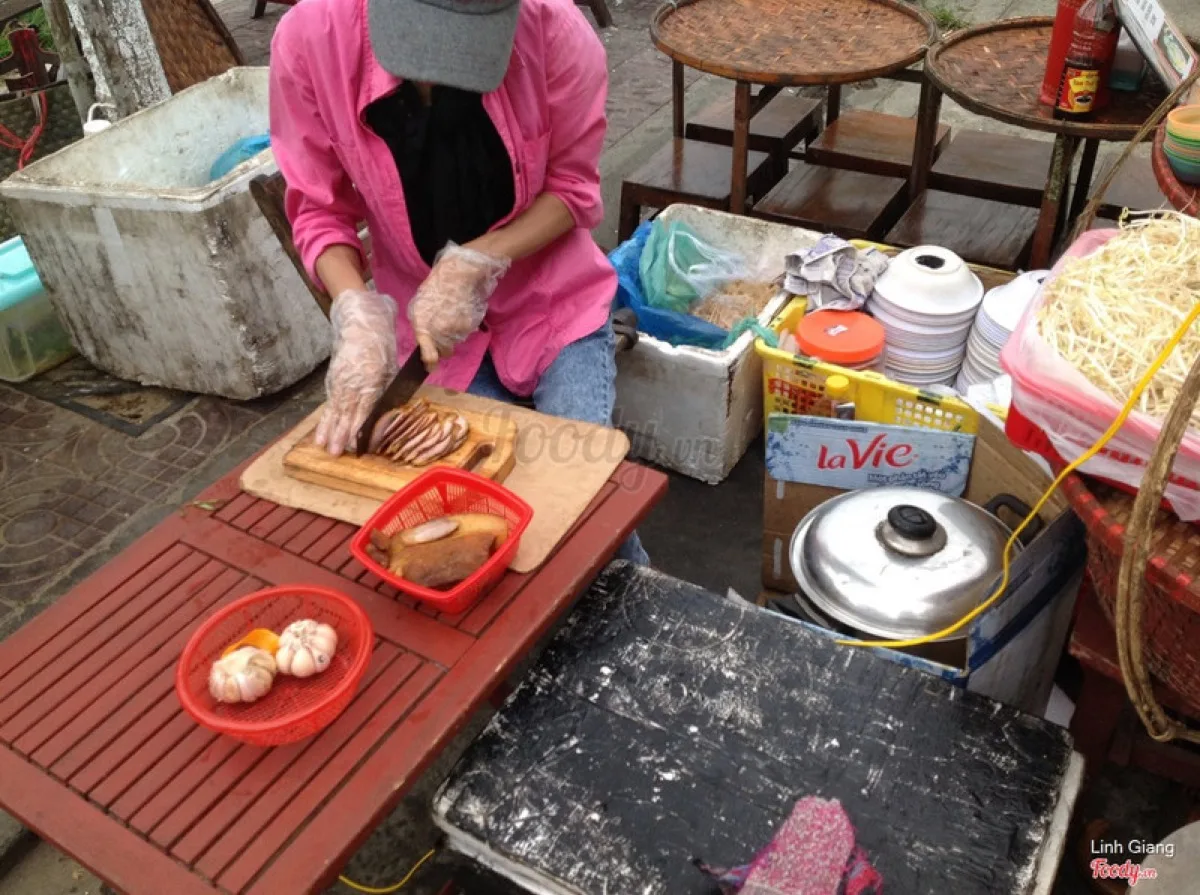
For cao lầu, the morning window is 7–10am at Cao Lầu Thanh (26 Thái Phiên). This is a 20+ year family business that TripAdvisor travellers consistently rate as one of the most authentic bowls in town.
🍜 Cao Lầu Thanh
What travellers say: "We went specifically to eat Cao Lầu and we were NOT disappointed, it was delicious and the maître'd was very hospitable." — Fiona O, UK (June 2026). "Simply the best… the noodles had a wonderful chewy texture and the pork was perfectly seasoned." — Craig, Australia (May 2026).
Local note: The noodles are made with water from the Bá Lễ well and ash from Cù Lao Chàm island — the same traditional method documented in community posts going back decades. This is why cao lầu only exists in Hoi An.
← Swipe for more photos
Midday (13:00–14:30): mì Quảng and the intersection ritual
At around 1pm, the intersection of Nguyễn Thái Học and Lê Lợi transforms. Community posts describe a specific sequence: first, the old man selling bánh tiêu and bánh bò (fried dough and steamed rice cakes) arrives with his bicycle bell. Then the mì Quảng woman appears with her gánh. Then the kẹo kéo (pulled candy) man cycles up. Children gather. The afternoon eating ritual begins.
The mì Quảng vendor at this intersection was famous for one rule: no garlic in the nước mắm. When customers asked for crushed garlic, she refused. Her explanation: the broth is made from shrimp and pork with a delicate, barely-there aroma — you have to bring the bowl close to your nose to detect it. Garlic would destroy that. This is the kind of detail that no restaurant menu tells you.
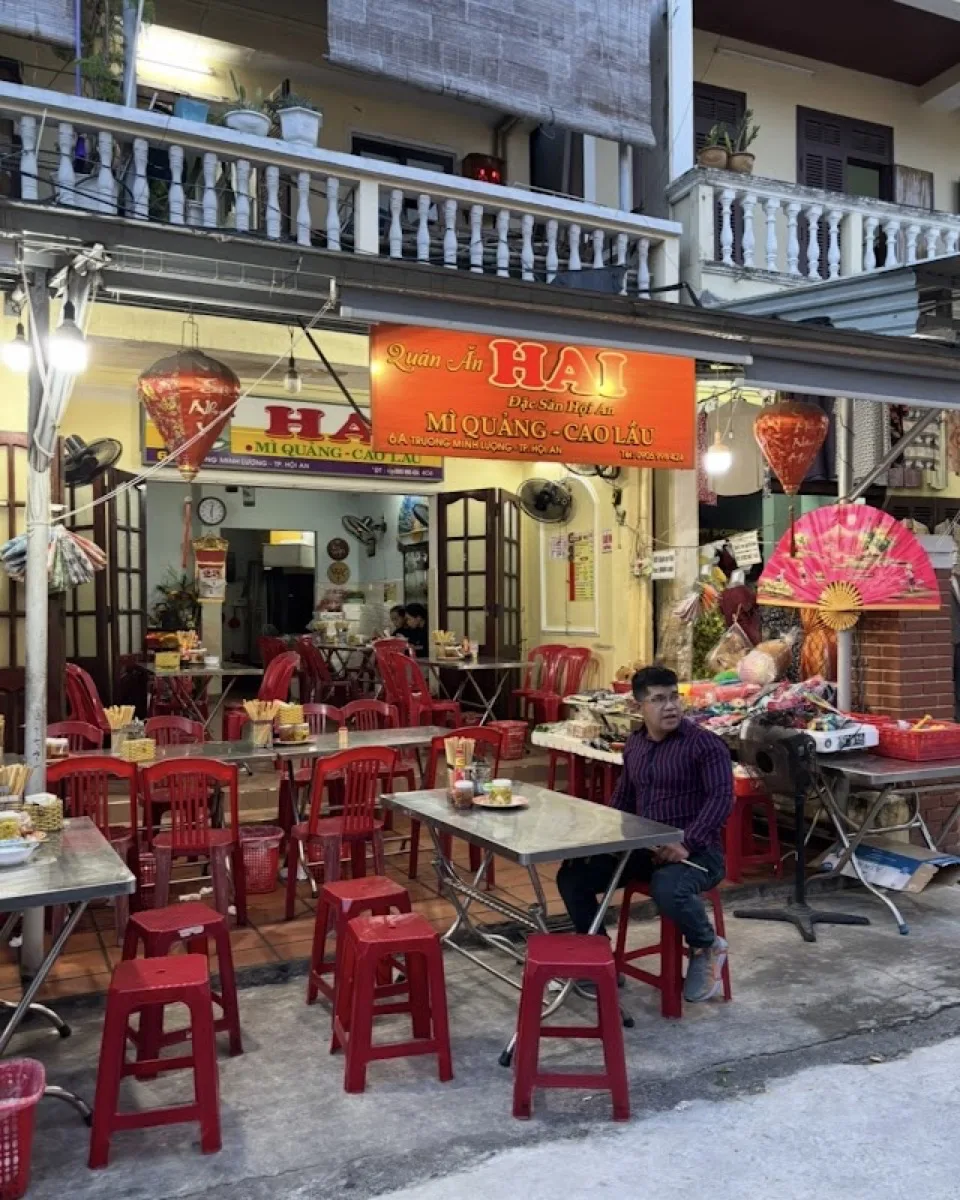
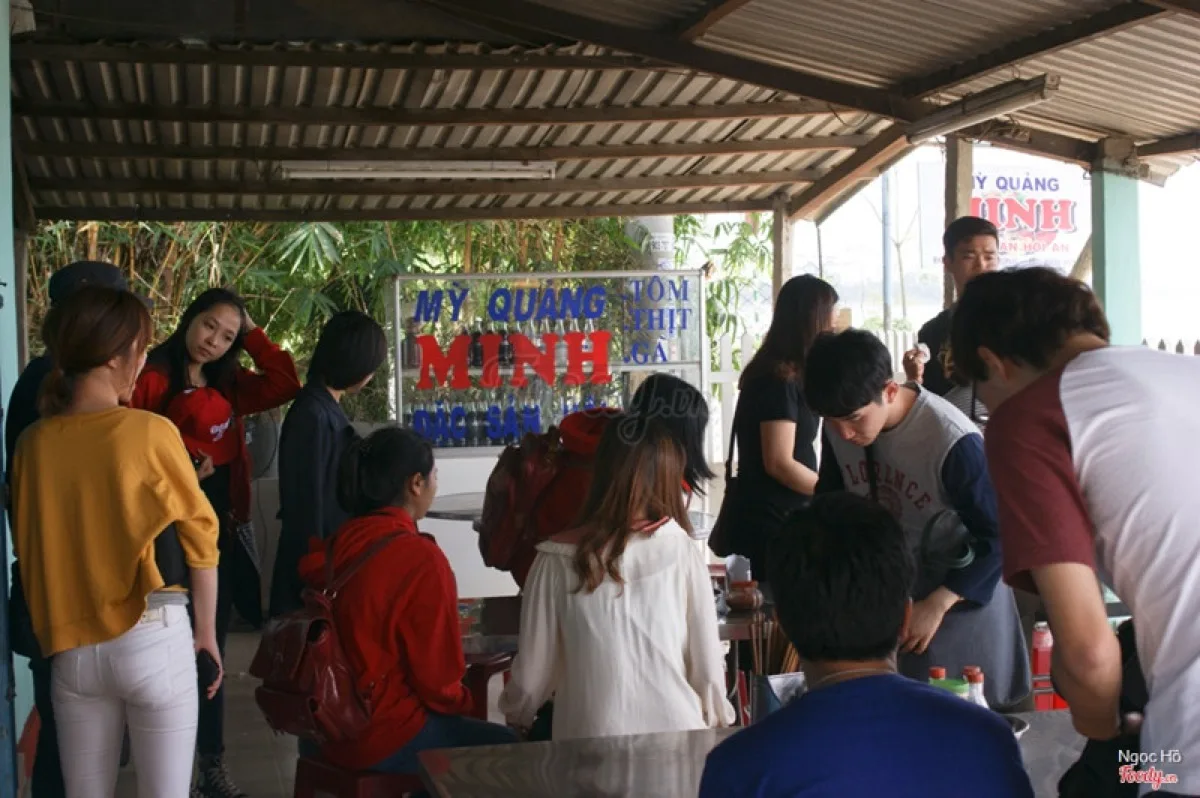
🍜 Mì Quảng Ông Hai
What travellers say: "Mì Quảng Ông Hai is a quiet, no-frills spot and a true hidden gem for trying two of Hoi An's most iconic noodle dishes… The Mì Quảng hits all the right notes with turmeric-stained flat rice noodles, just enough intensely flavored broth to bind everything together." — Nomadicus, USA (Nov 2025). "We tasted Mi Quang, a noodle dish made from pork and shrimp, it was delicious, fresh and cheap: 2 courses and 2 beers for 120K (€4.8)." — European traveller.
Local note: Ông Hai also serves cao lầu — useful if you missed the morning window at Thanh. The location at the end of the night market means it's quieter during the day and livelier after 6pm.
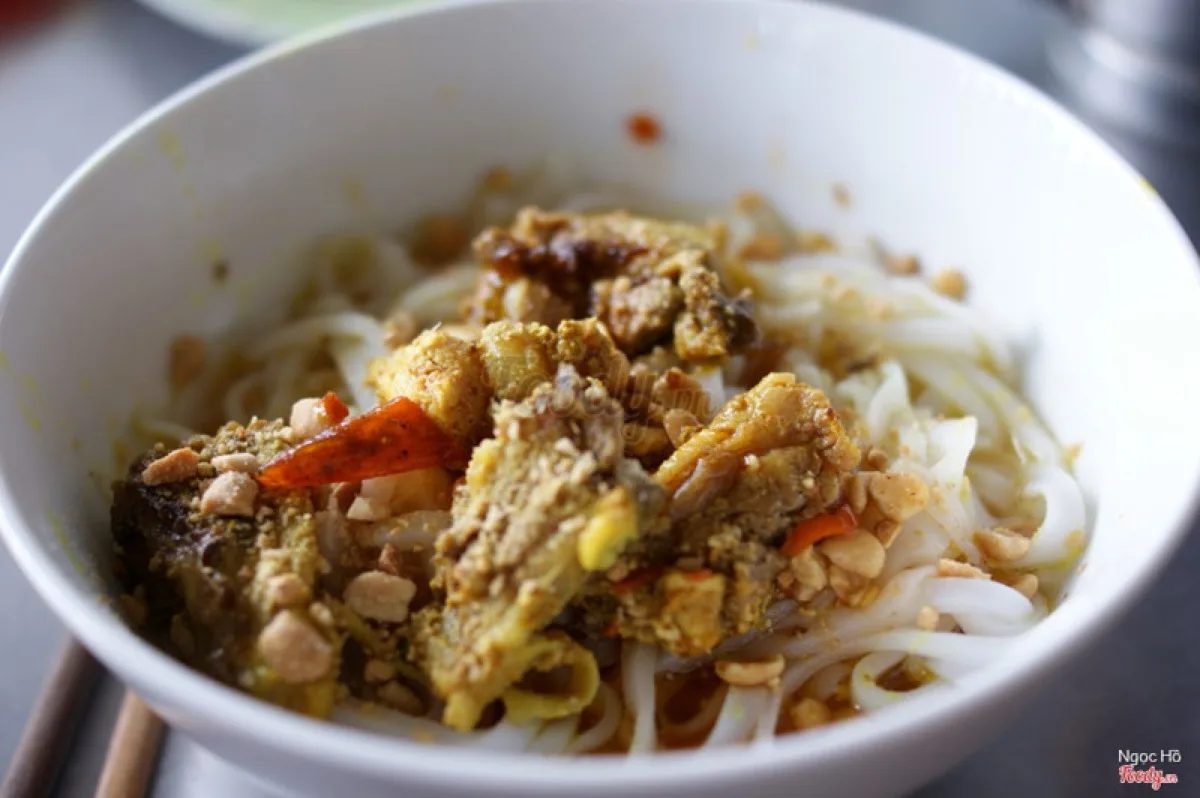
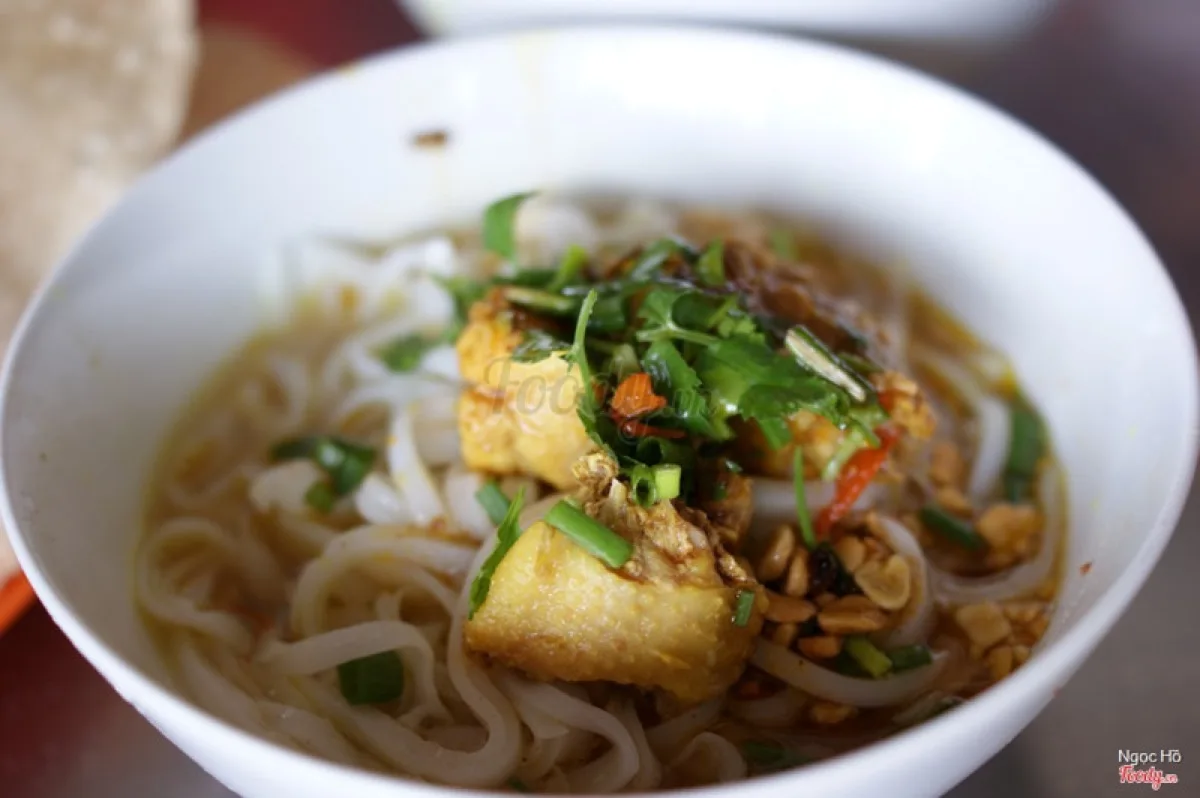
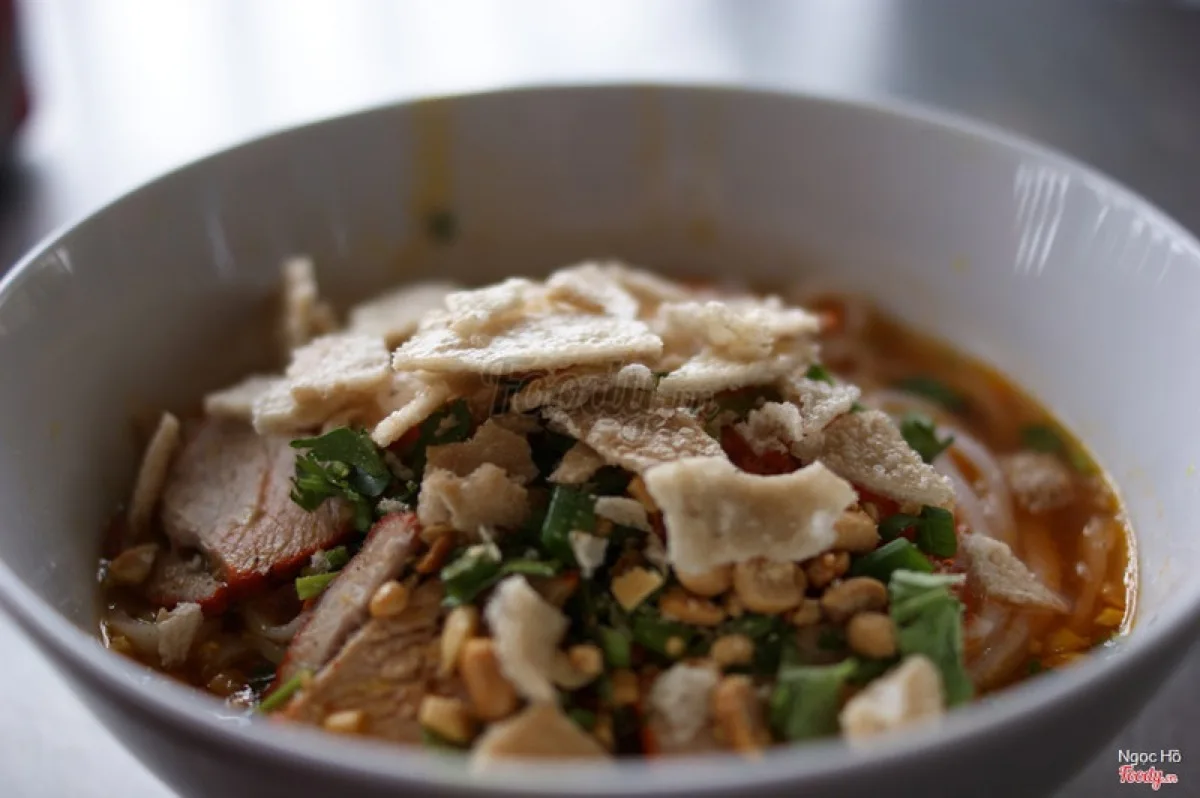
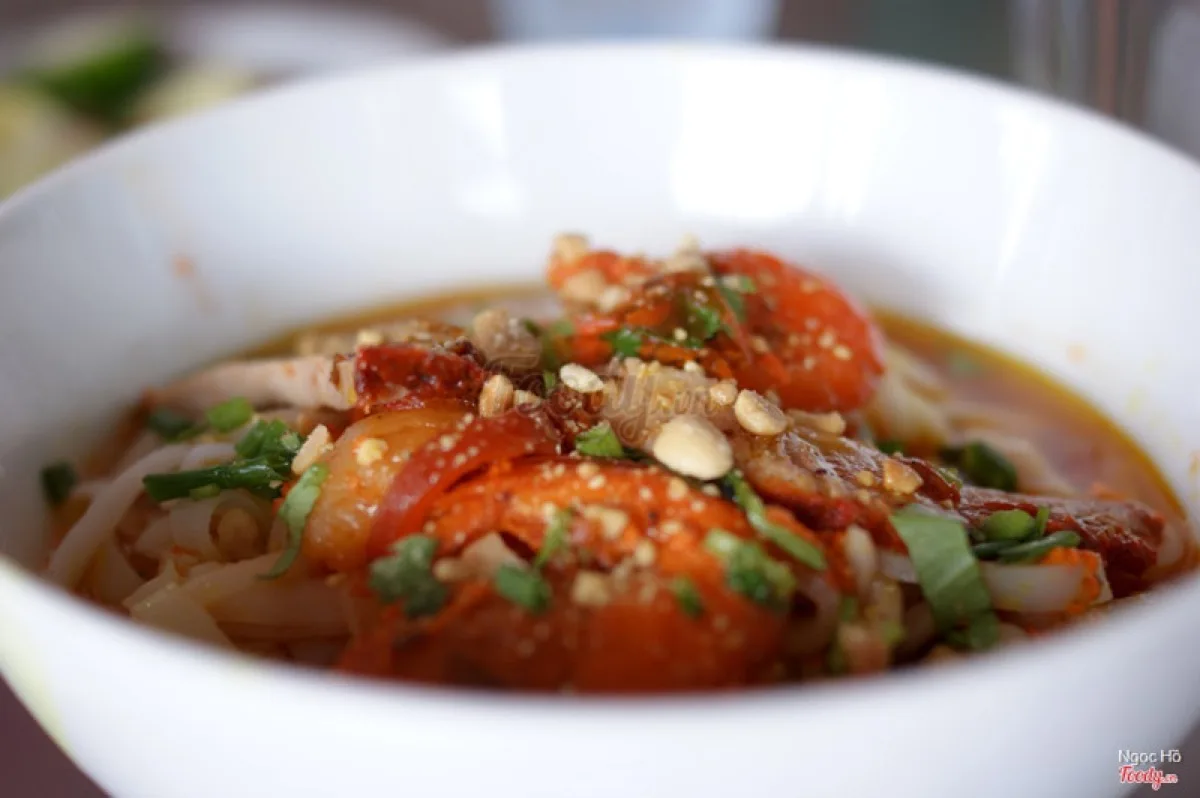
← Swipe for more photos
Afternoon (14:30–17:00): bún lòng bò and the chè hour
At exactly 2:30pm — not 2:15, not 2:45 — the bún lòng bò vendor sets up on Lê Lợi sidewalk. Community posts describe Bà Hiền, who inherited the recipe from her mother Bà Dần. The secret: she never washed her pot with soap. Instead, she filled it with water, boiled it, poured it out, and started fresh. She believed soap would strip the accumulated beef flavour that built up over years. Day after day, the pot absorbed more and more of that distinctive, slightly funky beef aroma that regulars craved.
Her rule was simple: "Ai đến trước bán trước" — first come, first served. No reservations, no exceptions. Workers, labourers, and office staff would arrive early and wait on small stools. When the pot ran out, it ran out.
— Hội An Xưa community post, archived from group memory
Meanwhile, the chè hour runs from 10am to 5pm. The most legendary chè vendor in Hoi An memory is Bà Chỉ, who sold a single item — chè đậu đen (black bean sweet soup) cooked with đường bát (unrefined sugar cake) — from a spot on Nguyễn Duy Hiệu, opposite the old French power station. Her entire setup: two tables, eight tiny stools. She opened at 10am, closed at 5pm. If you came late, too bad. If there was leftover, she still wouldn't sell it. One bowl, one đồng (in 1963 money). Students from Trần Quý Cáp school were obsessed — not because it was fancy, but because the beans were impossibly soft, the syrup deep and sweet, and the price was the cheapest in town.
— "Ai ăn chè bà Chỉ?" by Mạc Đại, Hội An Xưa archive (memoir set in 1963)
Evening (17:00–21:00): cao lầu, white rose, and the sit-down hour
As the afternoon heat breaks, the established restaurants open for the evening crowd. This is when most tourists eat — and it's fine, but you're sharing the space with tour groups. The two most documented venues:
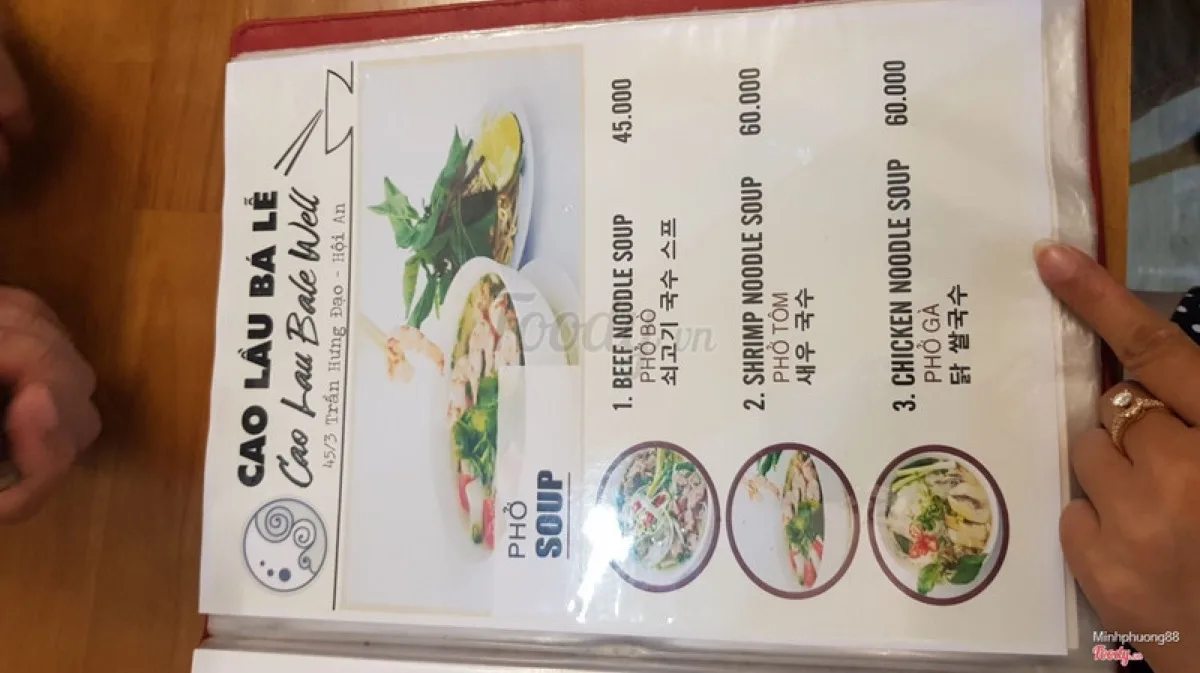
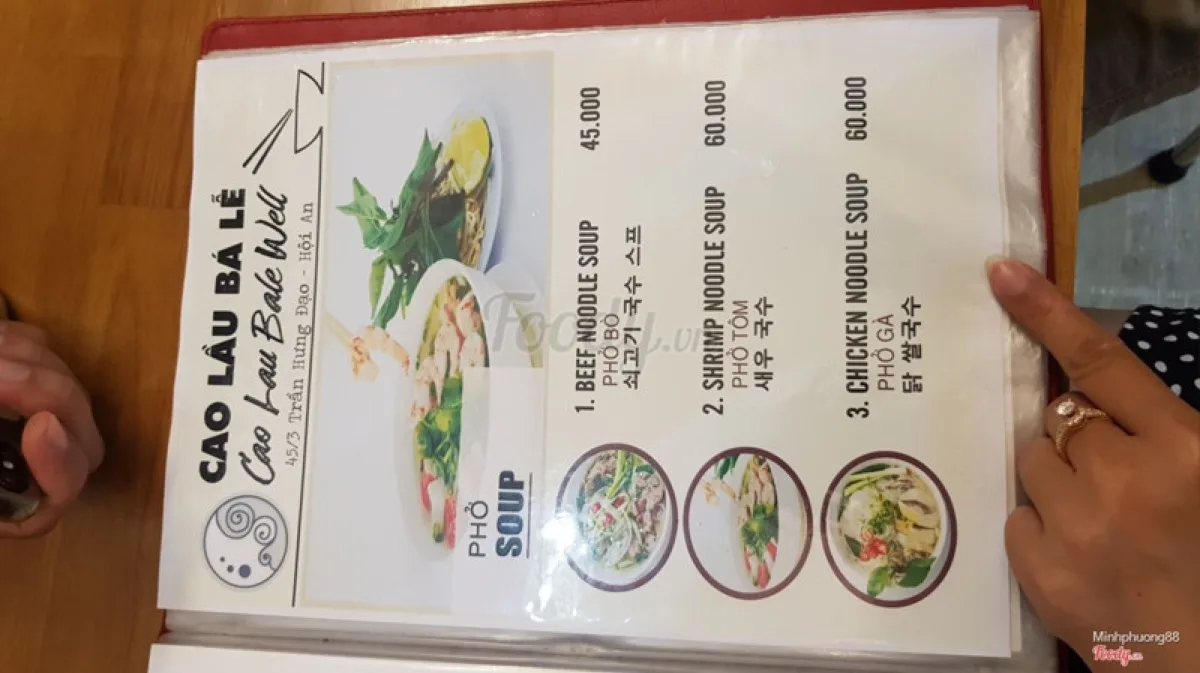
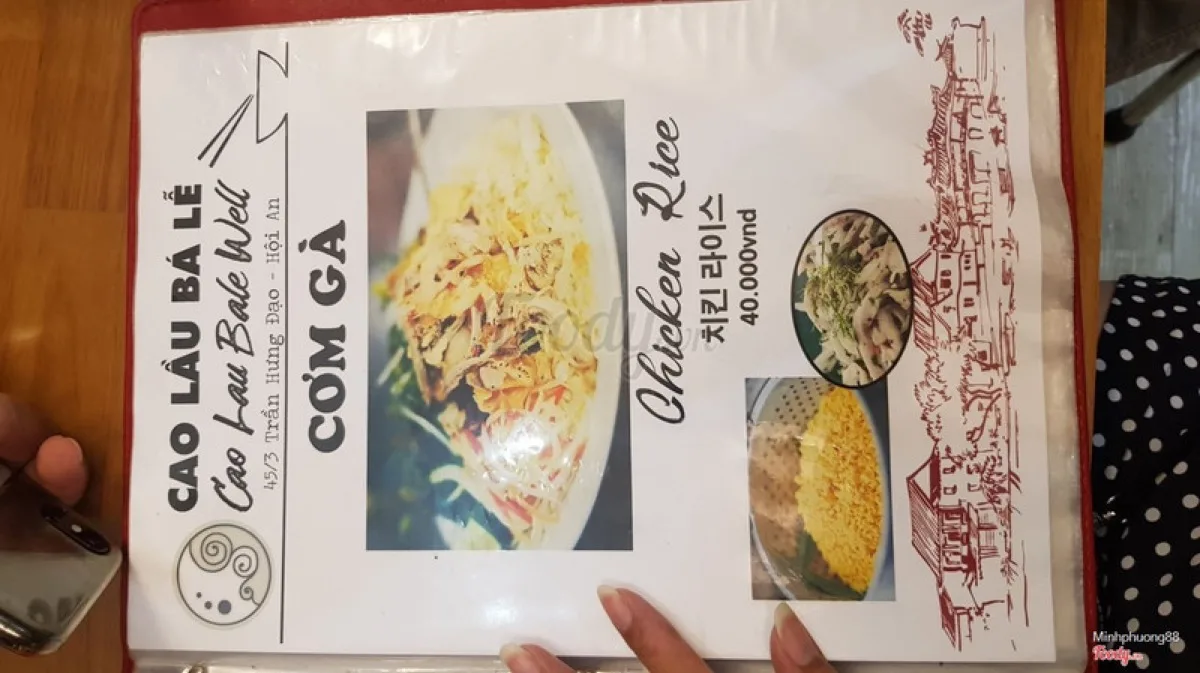
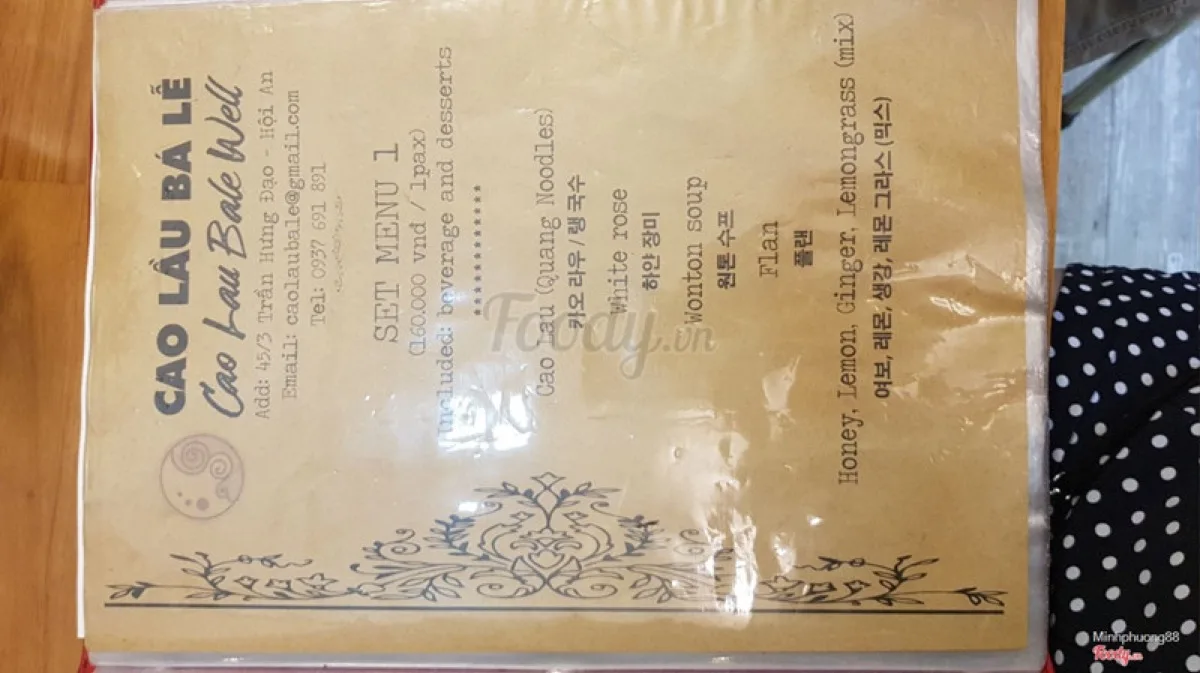
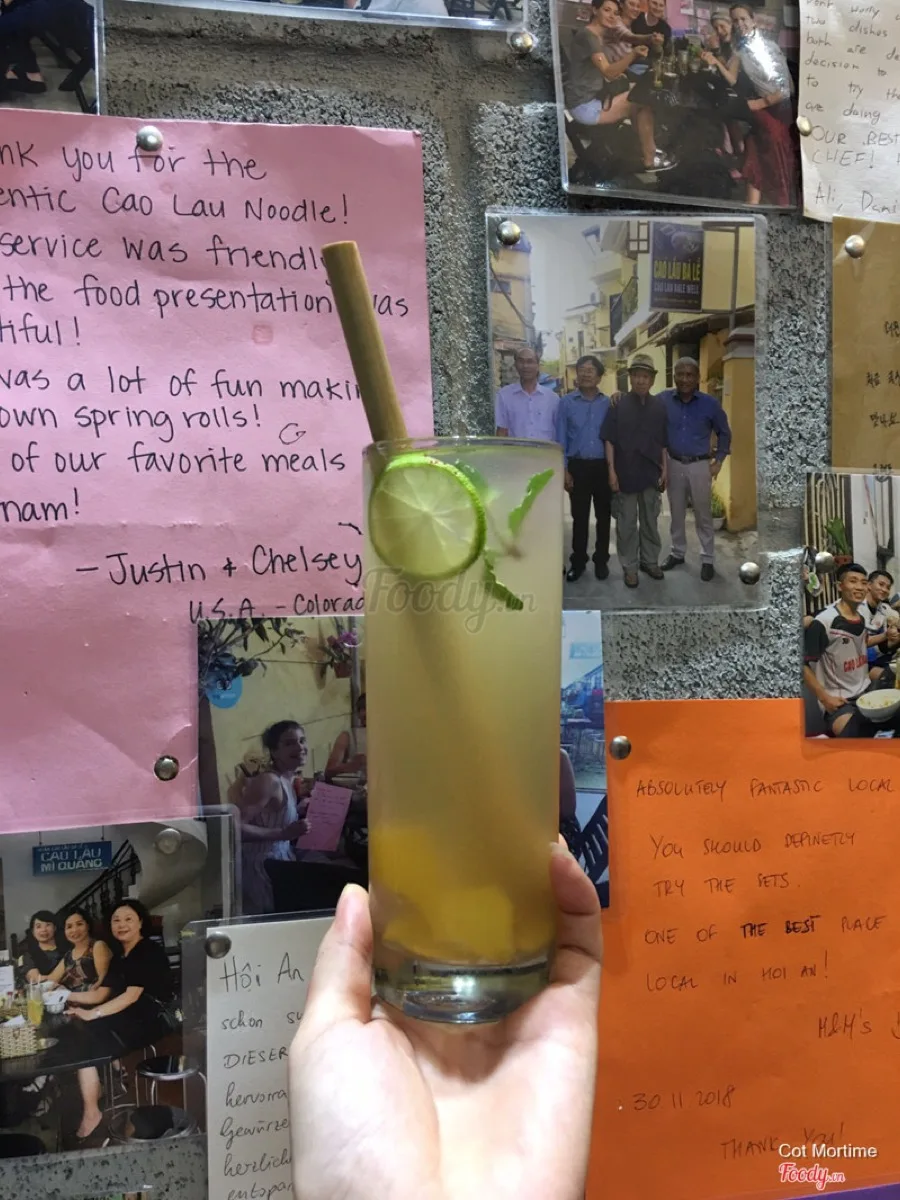
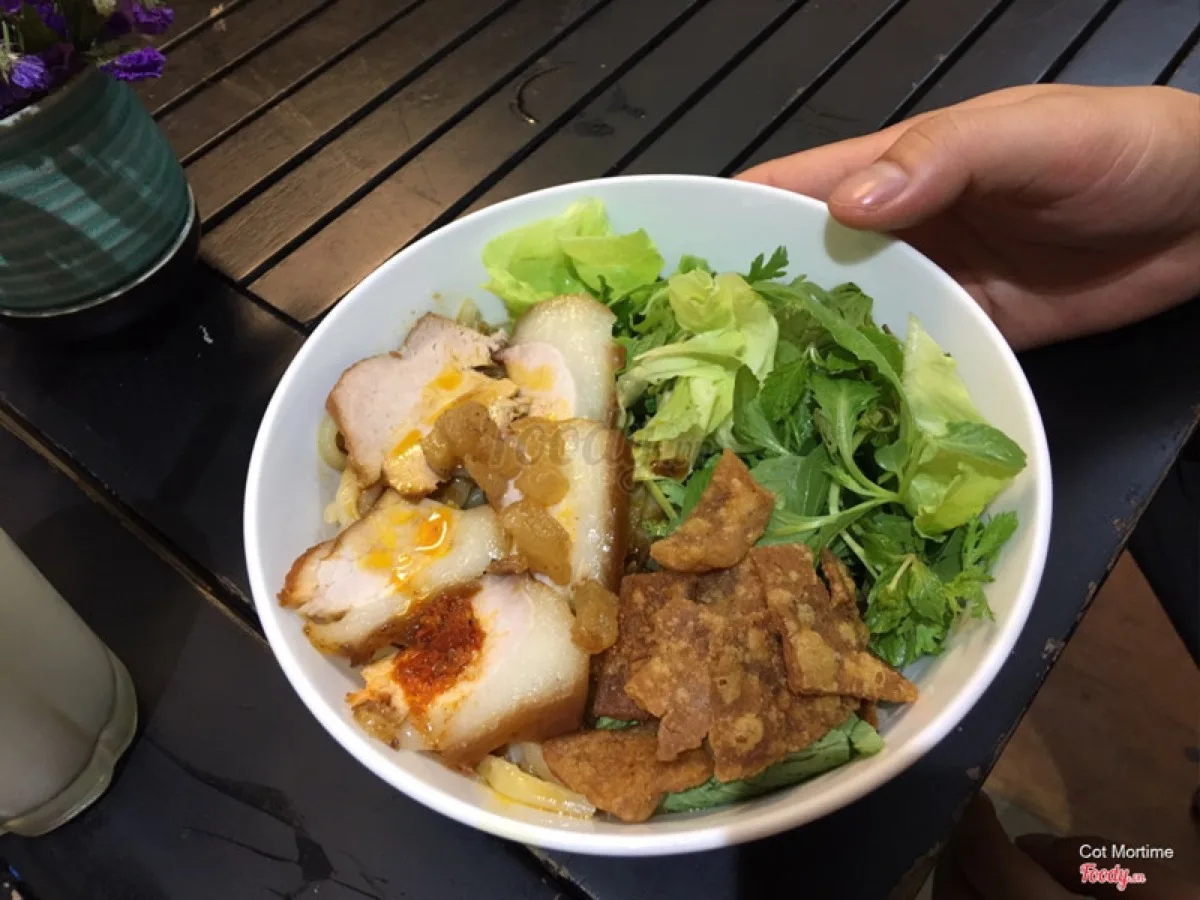
🍜 Cao Lầu Bá Lễ
What travellers say: "If you're looking for a place to eat killer cao lầu, look no more. It's this one! Amazing flavours, friendly staff and good prices." — Misi, Romania (Sep 2025). "We had the Cao Lầu noodles and the White Rose dumplings to share and it was incredible. The sauce for the dumplings was harmonious in flavor." — Kalypso P (Sep 2025).
Local note: Named after the Bá Lễ well — the same well whose water is used to make cao lầu noodles. The restaurant also serves white rose dumplings and bánh xèo, making it a good one-stop evening option. Vegetarian and gluten-free options available.
← Swipe for more photos
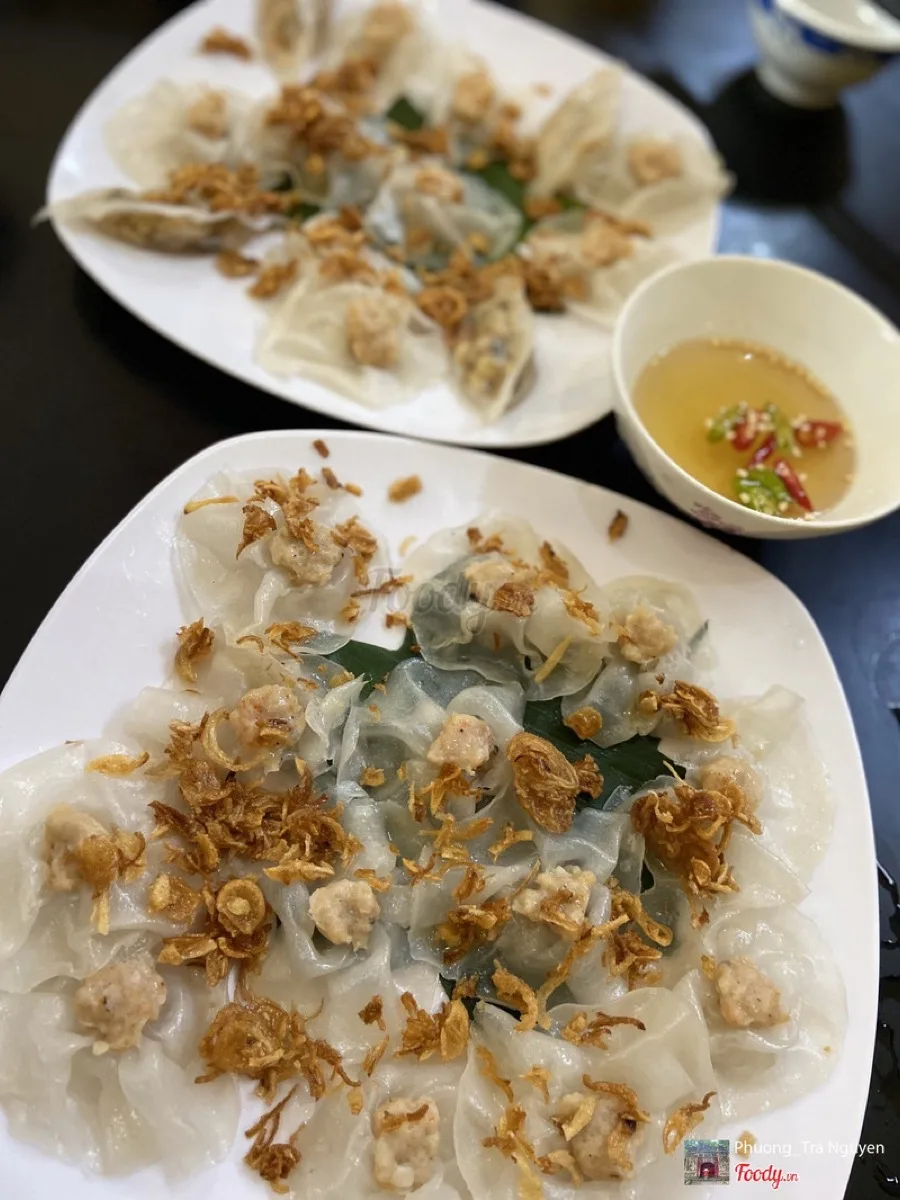
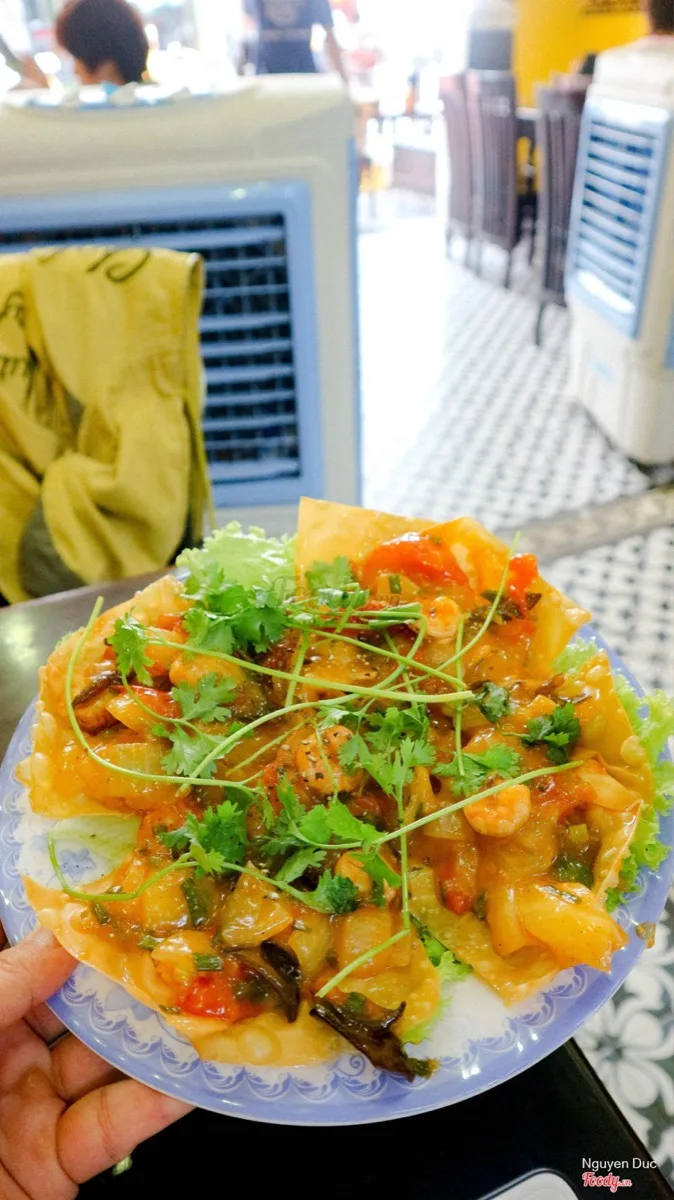
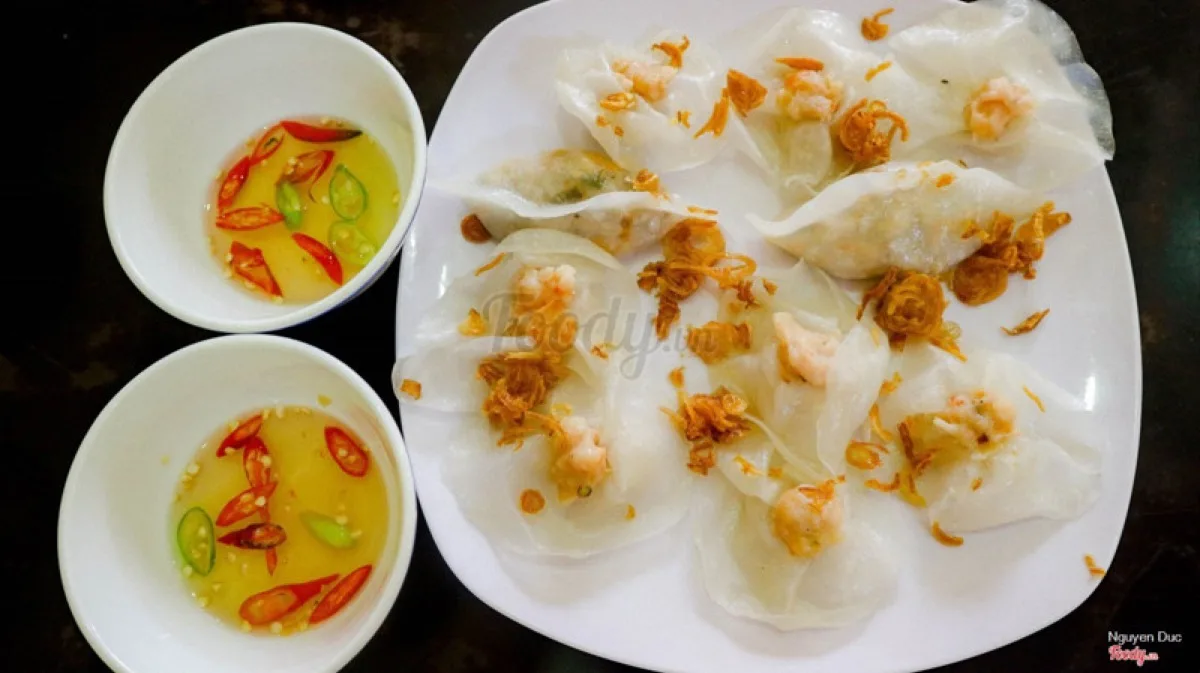
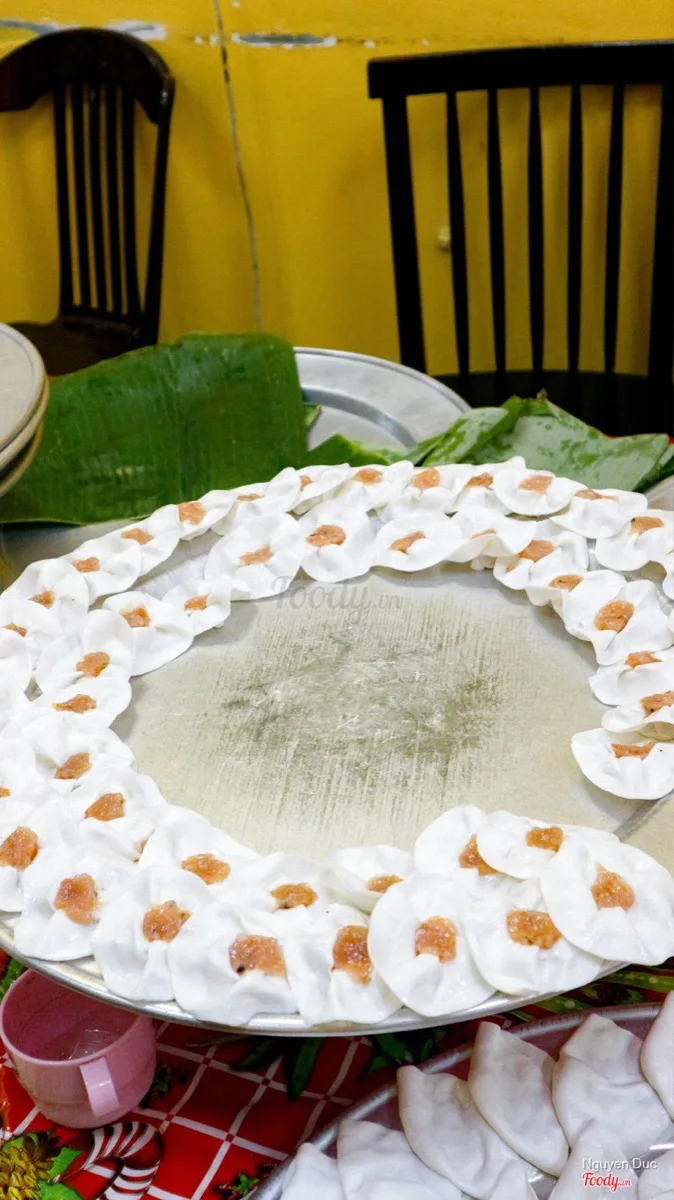
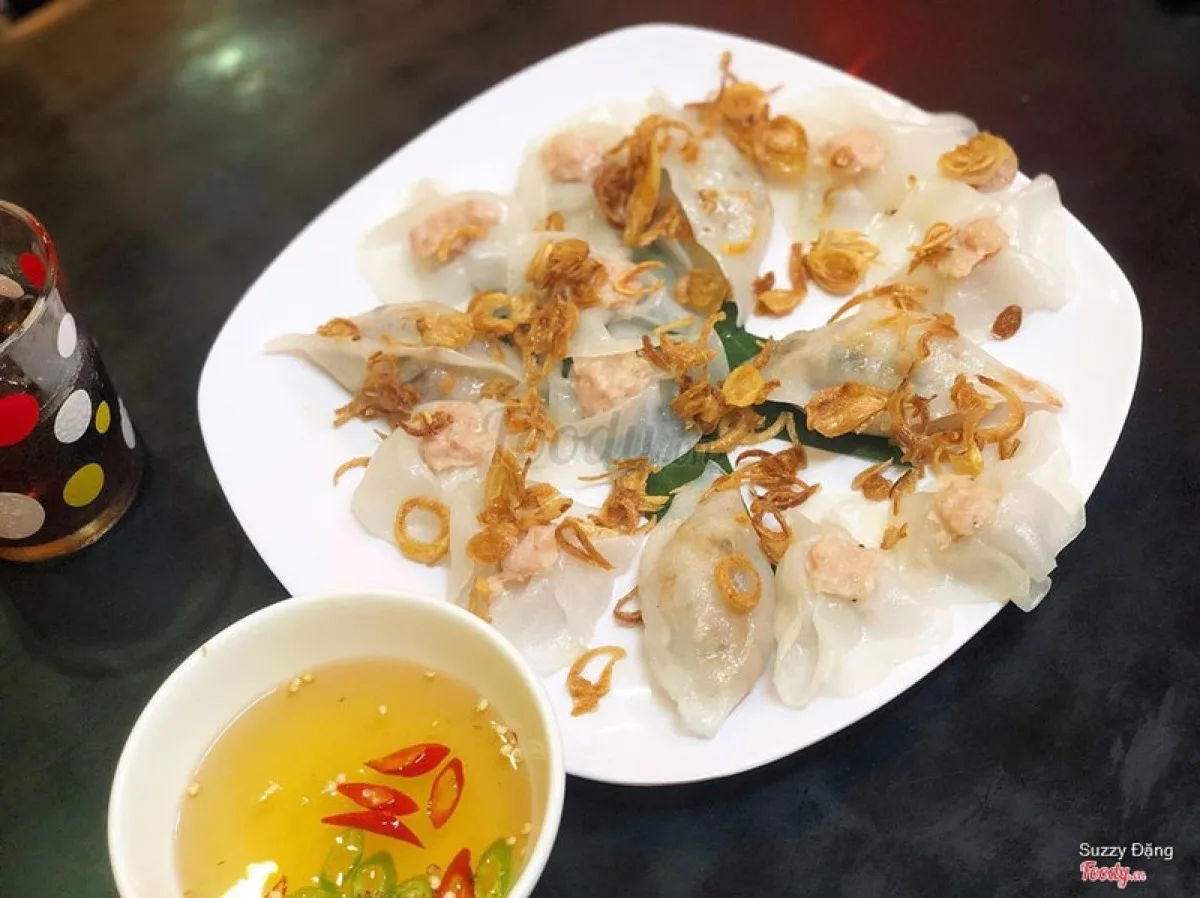
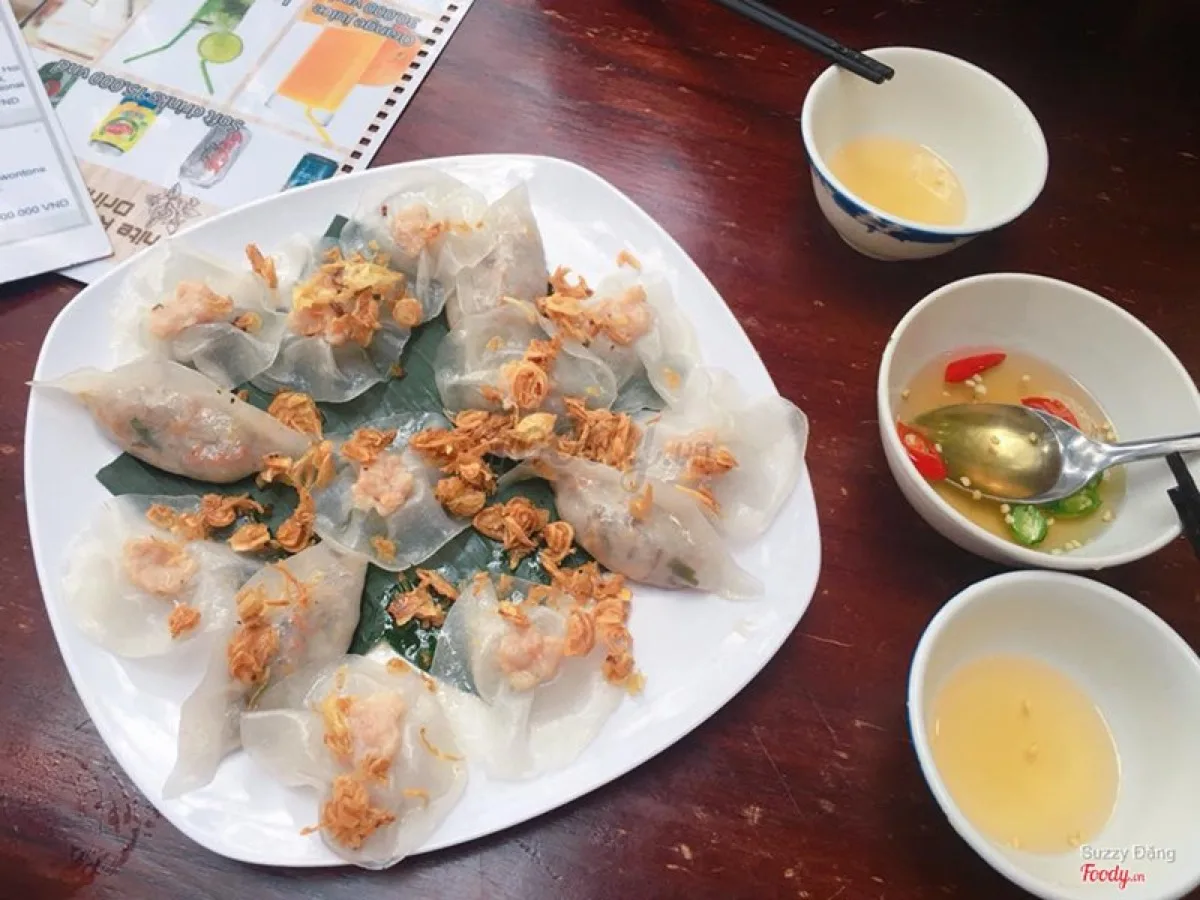
🥟 White Rose Restaurant (Bánh Bao Bánh Vạc)
What travellers say: "The steamed dumplings were the best we've had! Family run restaurant. Highly recommend!" — Joshua D, UK (Apr 2024). Mixed reviews exist — some find it "overhyped" — but this is the original production house. Community posts confirm that Bà Dương was the woman who made bánh bao bánh vạc here, and she explained that the name "bánh bao" came from the shape of old drawstring money pouches.
Local note: You can watch the women making dumplings by hand in the back. The steamed version is the signature; the fried wonton is a different dish. Go for the story and the process, not just the plate.
← Swipe for more photos
Night (19:00–22:00): chè by the bridge and night market grazing
After dinner, the old town shifts to dessert mode. Community memory places gánh chè Bà Quang at Chùa Cầu (Japanese Bridge) every evening — a simple sweet soup stall that appeared after dark and disappeared by late night. Today, the night market on Nguyễn Hoàng street and the lanes around the bridge carry that tradition forward: chè, tàu hũ (tofu pudding), kem (ice cream), and seasonal fruit.
The old Kem Phi Ánh — sold at night near what was once the Minh An kindergarten — is another memory locals mention. These weren't restaurants. They were one-person, one-cart operations that existed for a few hours and then vanished, leaving only the taste in memory.
— Hội An Xưa community post on quang gánh culture
The vendors that live only in memory
Not every vendor from the community archive still operates. Some are important to mention because they explain why Hoi An's food culture feels different from other Vietnamese towns:
| Vendor | What they sold | Era | Why they mattered |
|---|---|---|---|
| Bà Chỉ | Chè đậu đen (1 item only) | 1960s–1980s | Proved that one perfect dish beats a long menu. Never washed her philosophy: one pot, one price, one schedule. |
| Bà Dần → Bà Hiền | Bún lòng bò | Pre-1975 → 1990s | The "never wash with soap" pot. Multi-generational recipe transfer. |
| Bà Mông | Bún (morning only) | Until ~1990s | Sold from her doorstep, 9am cutoff. Later moved to Phan Chu Trinh. |
| Ông Trợ | Cao lầu | 1990 (documented) | Photographed in 1990 — one of the earliest visual records of a cao lầu shop. |
| Bà bán mì Quảng (unnamed) | Mì Quảng | 1970s–1990s | The "no garlic" rule. Defended the delicate broth aroma against customer demands. |
| Gánh chè Bà Quang | Chè (evening) | Pre-1975 → ? | Appeared at Chùa Cầu every night. The original "dessert by the bridge" tradition. |
How to use this guide as a traveller
- Don't eat everything in one day. Pick 3–4 time slots across 2 days. Morning cao lầu → afternoon mì Quảng → evening white rose → night chè.
- Arrive early for the gánh vendors. If a vendor opens at 7am and you arrive at 9:30am, you may get the last bowl — or nothing.
- Respect the schedule. These are not restaurants that will "make an exception." The 5pm closing is real. The "first come, first served" is real.
- Sit on the small stools. The plastic stool experience is not a downgrade — it's the format. You eat at the same height as the vendor's pot, at the same level as everyone else.
- Ask before photographing. Many vendors are elderly women who have been doing this for decades. A smile and a gesture toward your phone goes further than just shooting.
Plan a street food route with a local guide
If you want someone to handle the timing, translation, and "which stall is actually good today" decisions, a private Hoi An food tour with a local guide means you show up at the right place at the right time — and understand what you're eating, not just taste it.
For a broader overview of all Hoi An dishes, see our complete Hoi An food guide. For the cultural context behind the Old Town itself, try the private walking tour.
Related planning notes: what to eat in Hoi An, Hoi An Old Town guide, Hoi An itinerary for first-timers, and things to do in Hoi An with kids.
FAQ
A few practical follow-up questions
Only the questions that sit naturally inside this article are shown here, so the page stays focused.
Article FAQ
Between 7:00am and 10:00am at Cao Lau Thanh (26 Thai Phien). Evening service at Cao Lau Ba Le (49/3 Tran Hung Dao) runs until 10pm.
Yes, for watching dumplings made by hand and the origin story. TripAdvisor 4.1/5 (489 reviews). Go for the steamed version.
An xe is the local term for afternoon snacking between 1pm and 4pm, including mi quang, banh tieu, keo keo, and bun.
Generally yes. Choose busy stalls, avoid raw items in hot weather, and bring allergy notes in Vietnamese.
Yes. Keep it to 2-3 stops, choose mild dishes first, and plan breaks between food stops.
Same topic
More in this topic
If this topic is close to your trip, these notes stay within the same planning lane without sending you off into a wider archive.
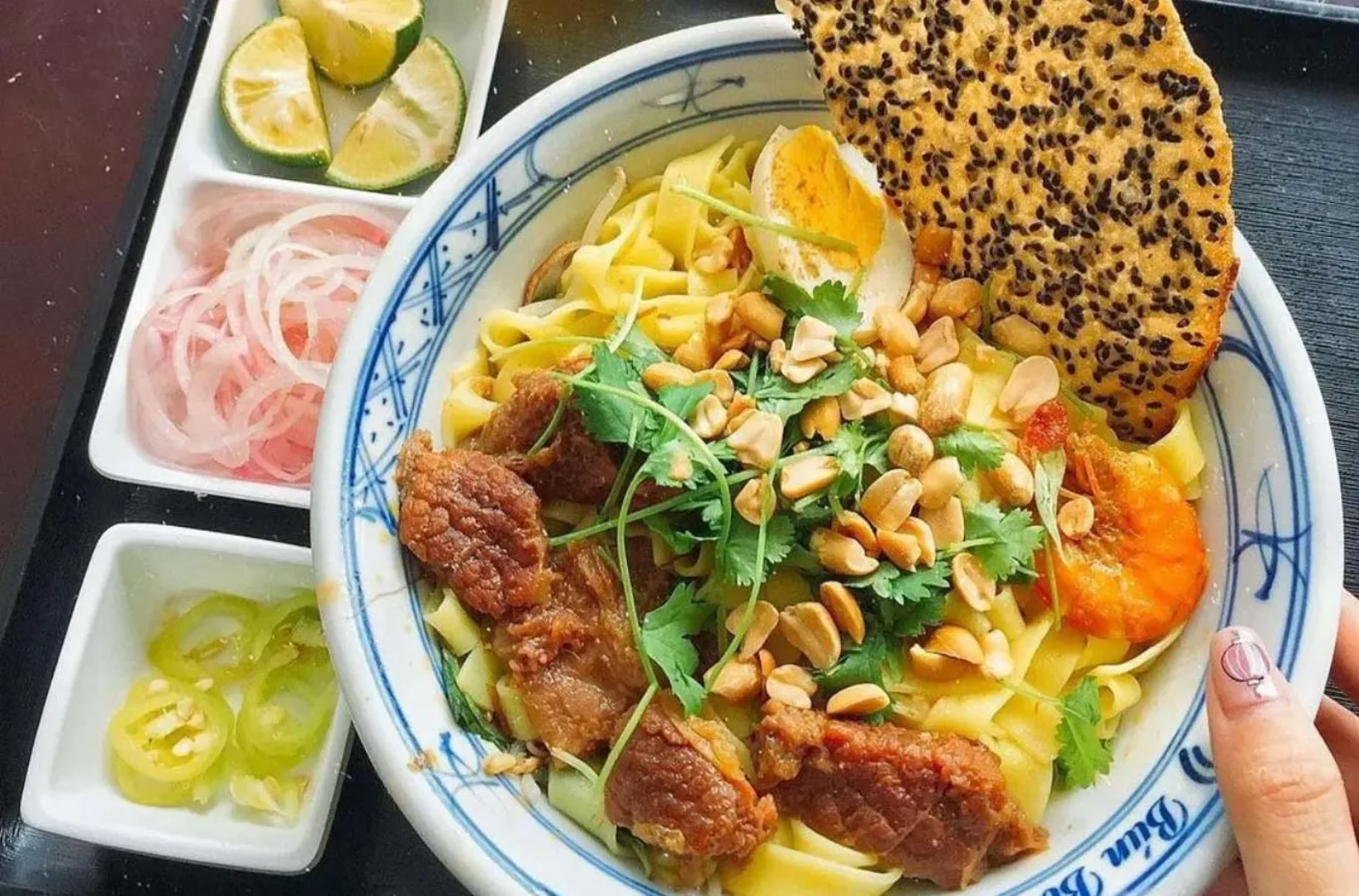
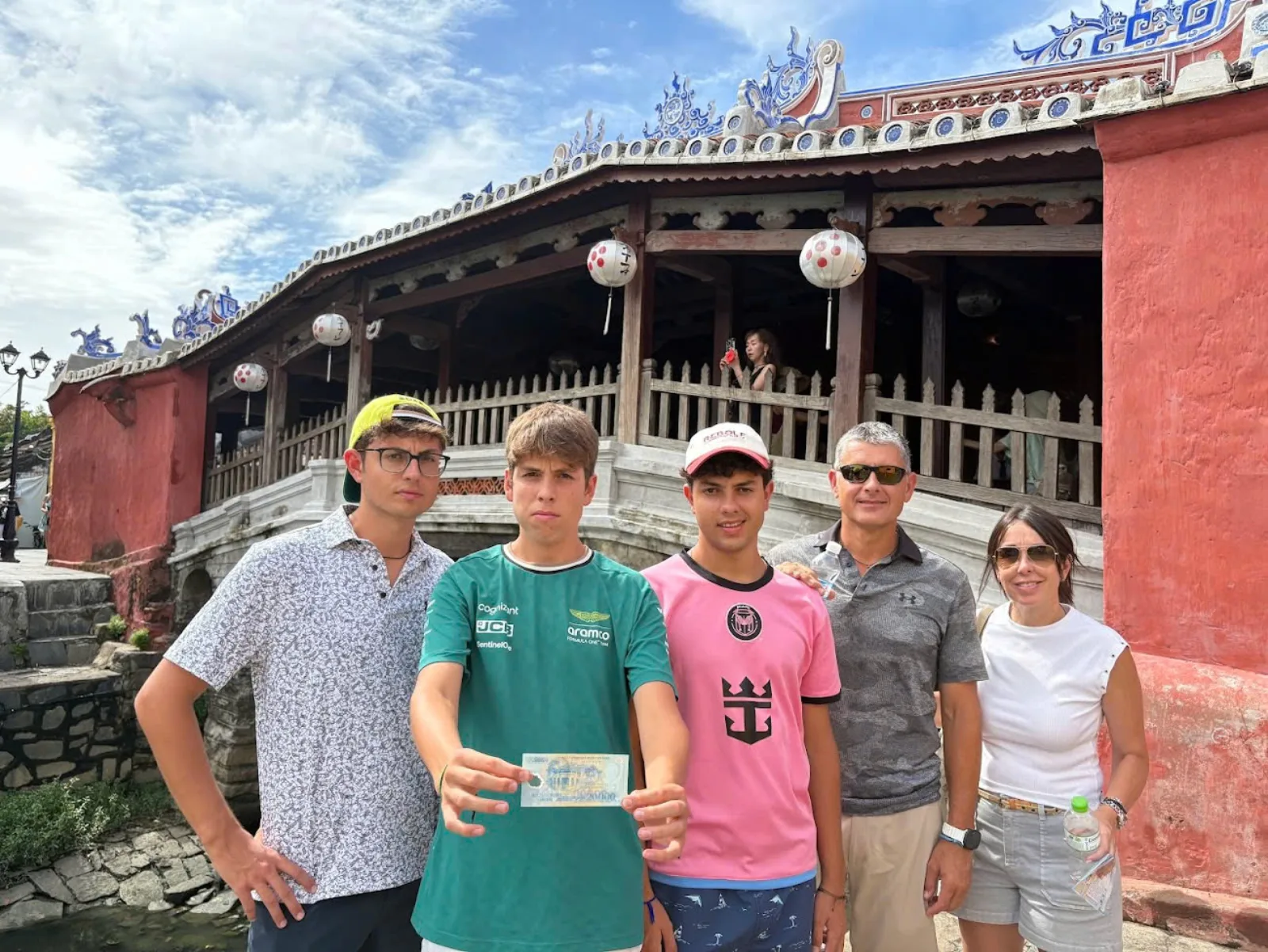
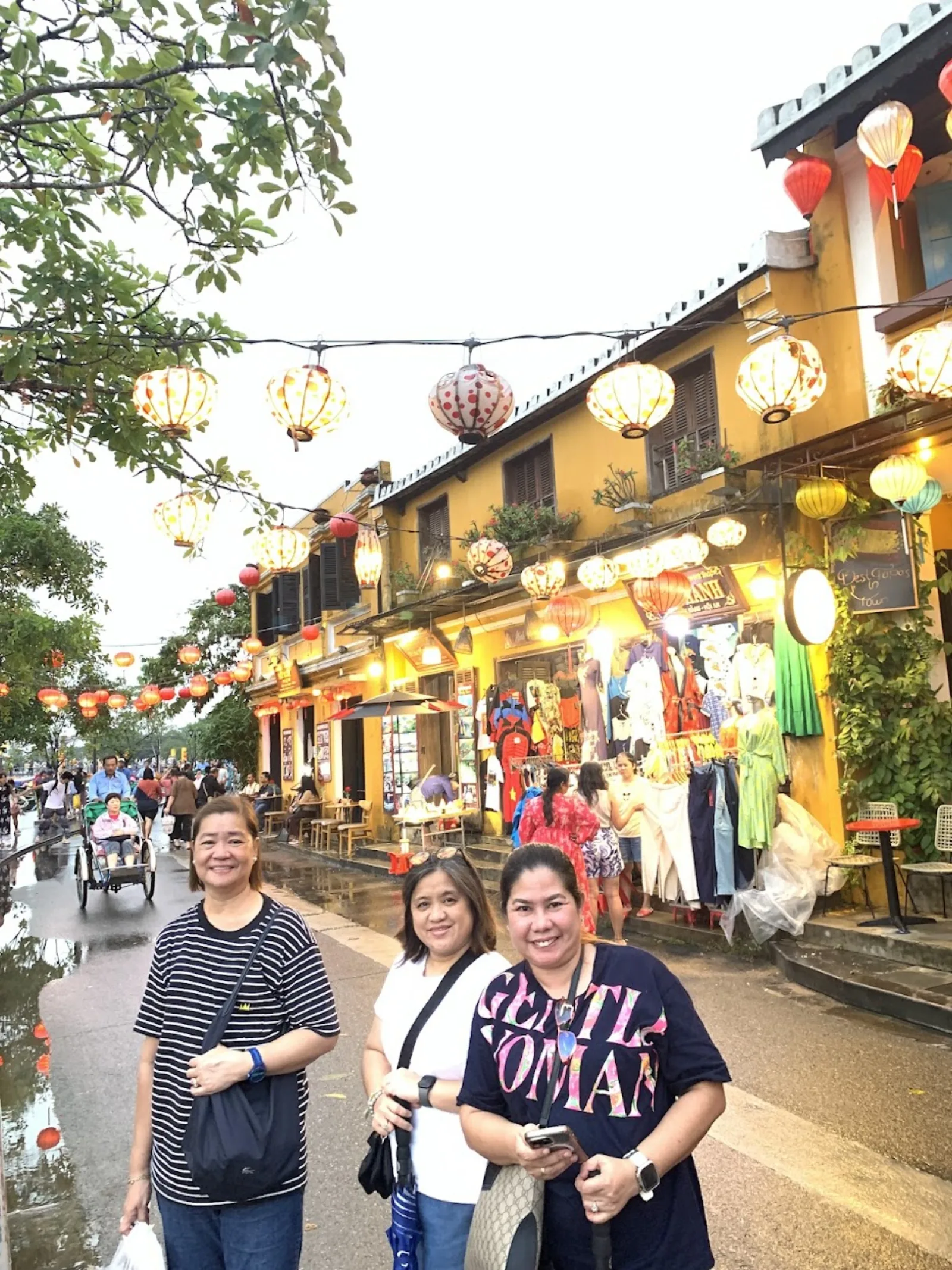
Related tours
If you want to turn the note into a real plan
These tours sit closest to the topic you just read, so the next step stays grounded in the actual route options.
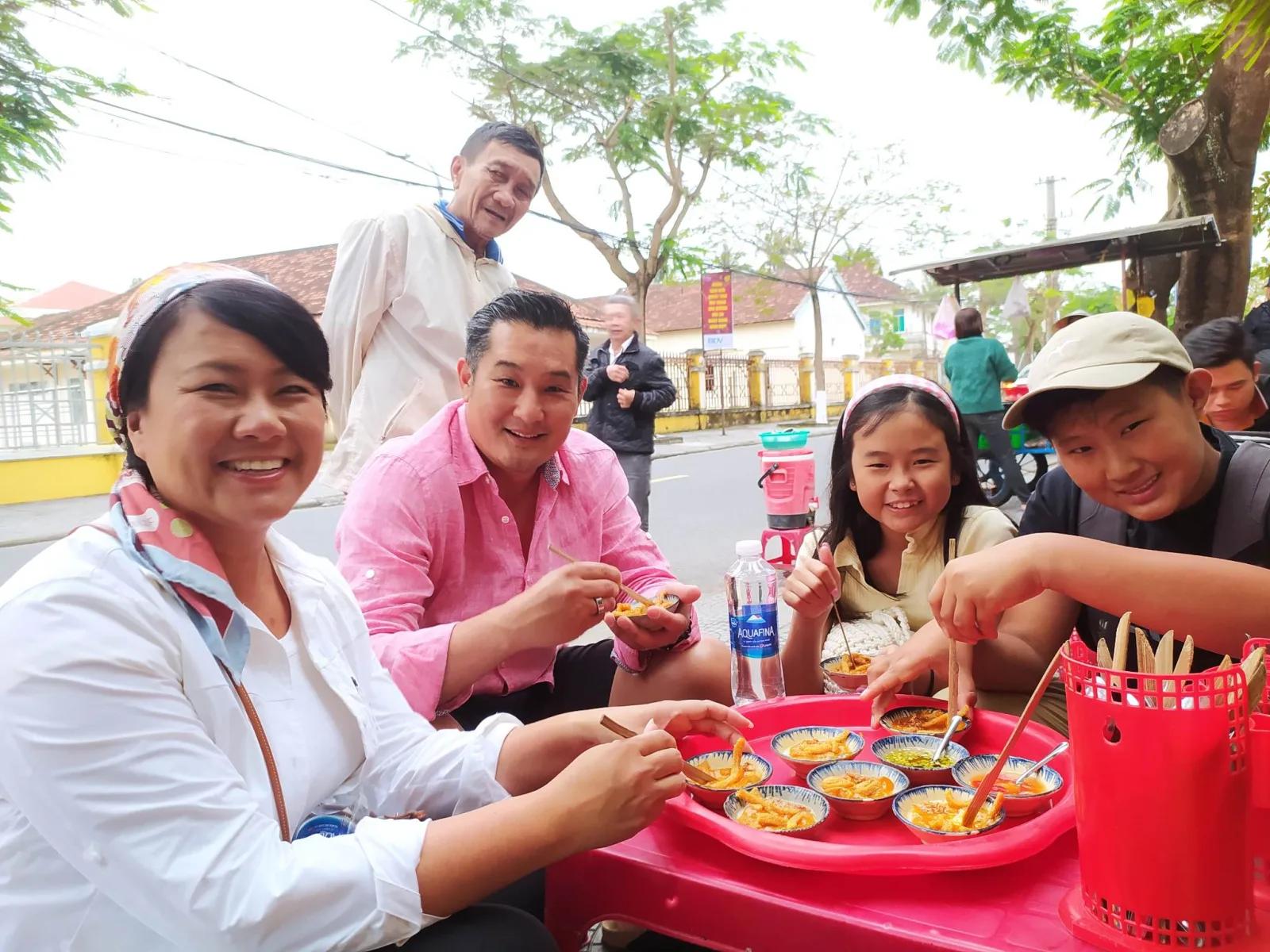
Food Tour
Hoi An Street Food Tour with Local Expert
A private evening route for flavour, conversation, and a softer look at Hoi An after dark.
3 hours
Explore the Hoi An Street Food Tour with Local Expert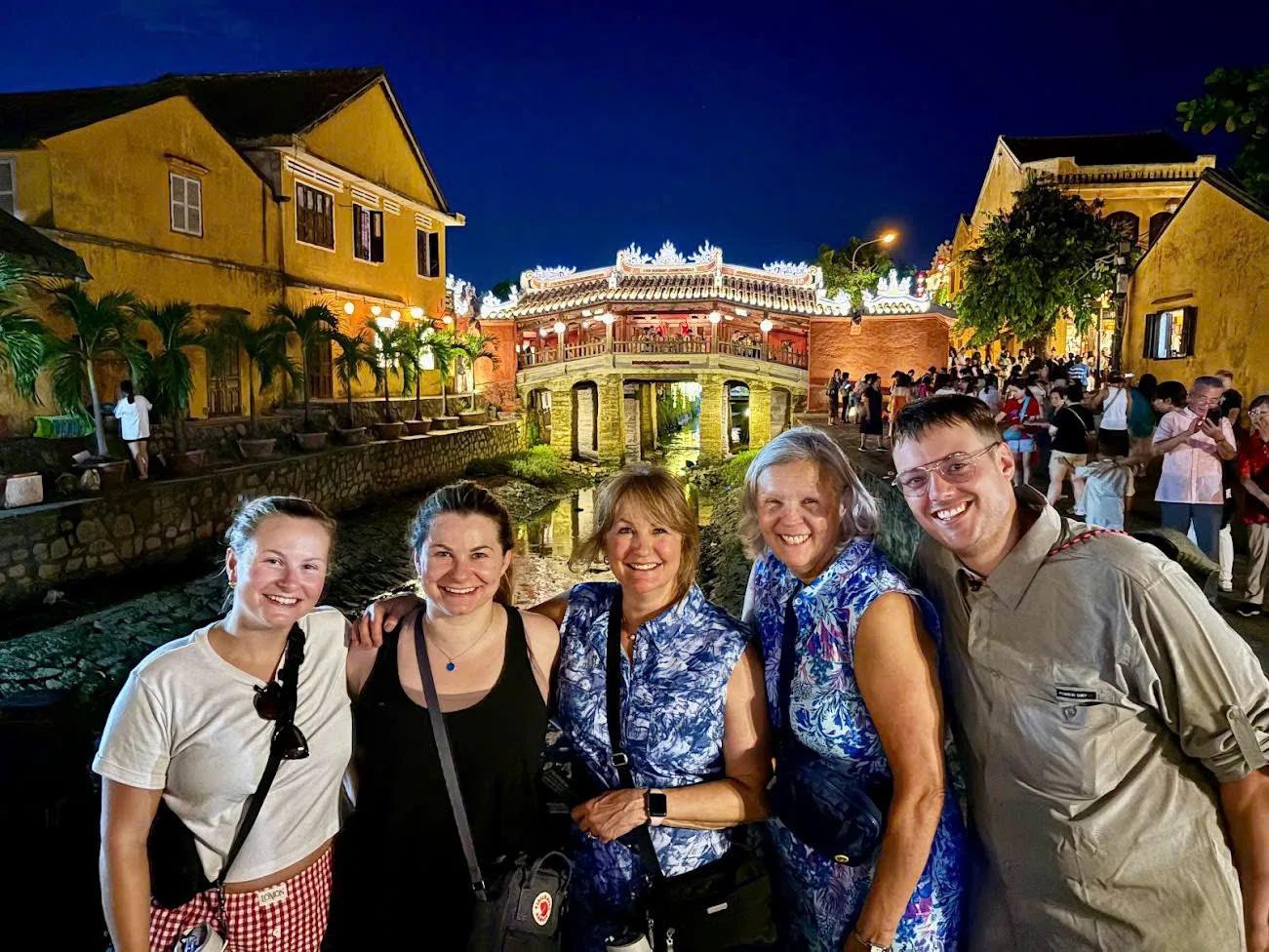
Walking & Street Food Tour
Hoi An Ancient Town Walking & Street Food Tour
Join our half-day tour to explore the best of Hội An. Walk through lantern-lit streets, visit iconic landmarks, and enjoy delicious local food.
3 to 4 hours
Explore the Hoi An Ancient Town Walking & Street Food TourHelpful next step
Use the article for context, then move into the part that fits your trip best
Some travellers want to compare tours next, while others just want to send a quick message with dates and questions. Both paths stay open here.