
History & Culture
Old Hoi An in Photographs: A Visual Archive of Faifo
Twenty-two rare photographs of old Hoi An, grouped into eight themed galleries — the Japanese Bridge, the Thu Bon waterfront, market stalls, family portraits and colonial-era streets, each with its source.
Jul 24, 2026 · 18 min read
Last updated: 10 September 2026 — collected and captioned by Fin, a local guide in Hoi An.
Quick answer: what is in this archive?
This page holds 22 rare photographs of old Hoi An, grouped into eight themes: architecture, the river, daily life, food and markets, crafts, people, maps and documents, and memory. They come from the Hội An Xưa community archive, French colonial-era material, and private family albums, and each keeps the caption it was published with.
It is a working archive rather than a finished book — we add to it as photographs surface and as we can attribute them properly. If you are researching a specific street or building, the source line under each gallery is the place to start.
Key takeaways
- 22 photographs here, in eight themed galleries, all with sources named.
- Faifo is the old European name for Hoi An, used from the 16th to the 19th century.
- Most of what these pictures show still stands — the buildings survived, the street life did not.
- Colonial-era images are largely public domain; community images are used with attribution.
- For commercial use, ask first: hello@fingoprivatetours.com.
Hoi An was not always a lantern-lit tourist town
Before the UNESCO listing in 1999, before the tailors and the cao lầu stalls became fixtures on other people's cameras, this small port on the Thu Bồn River was known as Faifo — one of Southeast Asia's most important trading harbours, where Japanese merchants built a covered bridge, Chinese congregations raised assembly halls, and French colonial officers mapped every street corner.
What the photographs below record is not a lost town. It is the same town with a different economy. The Japanese bridge is still there; so are the assembly halls and most of the merchant houses. What changed is what happens inside them.
What the archive holds
| Gallery | Photographs | What it shows |
|---|---|---|
| 1. Architecture | 3 | Chùa Cầu, the assembly halls, the merchant-house street front. |
| 2. The river and waterfront | 3 | The Thu Bồn as a working port rather than a view. |
| 3. Daily life | 3 | Courtyards, lanes, and the families who have not moved. |
| 4. Street food and markets | 2 | Offering tables and the market stalls that predate the word "foodie". |
| 5. Crafts and villages | 2 | The silk and pottery country behind the port. |
| 6. People and portraits | 3 | Faces, not street scenes. The hardest images to date. |
| 7. Maps and documents | 2 | Market days, ledgers, and how the archive records itself. |
| 8. Memory and nostalgia | 4 | The ones that do not fit a category and are the reason people scroll. |
Gallery 1 — Architecture: the buildings that made Faifo
Hoi An's architecture is its most visible inheritance. The Japanese Covered Bridge, built in the early 1600s, still spans the small creek that once separated the Japanese and Chinese quarters — the full history of the bridge is worth reading alongside these frames. The Phúc Kiến Assembly Hall, founded by merchants from Fujian, remains the largest communal building in town.
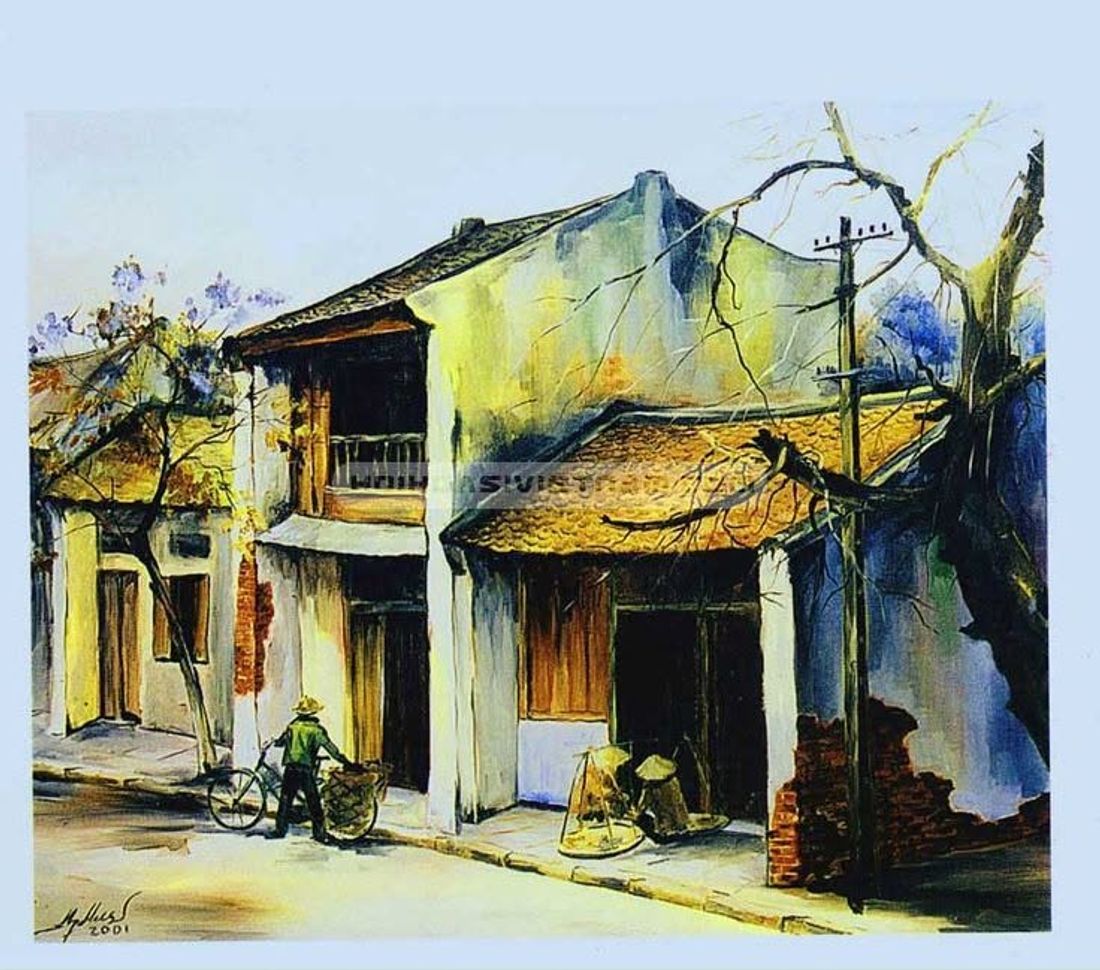
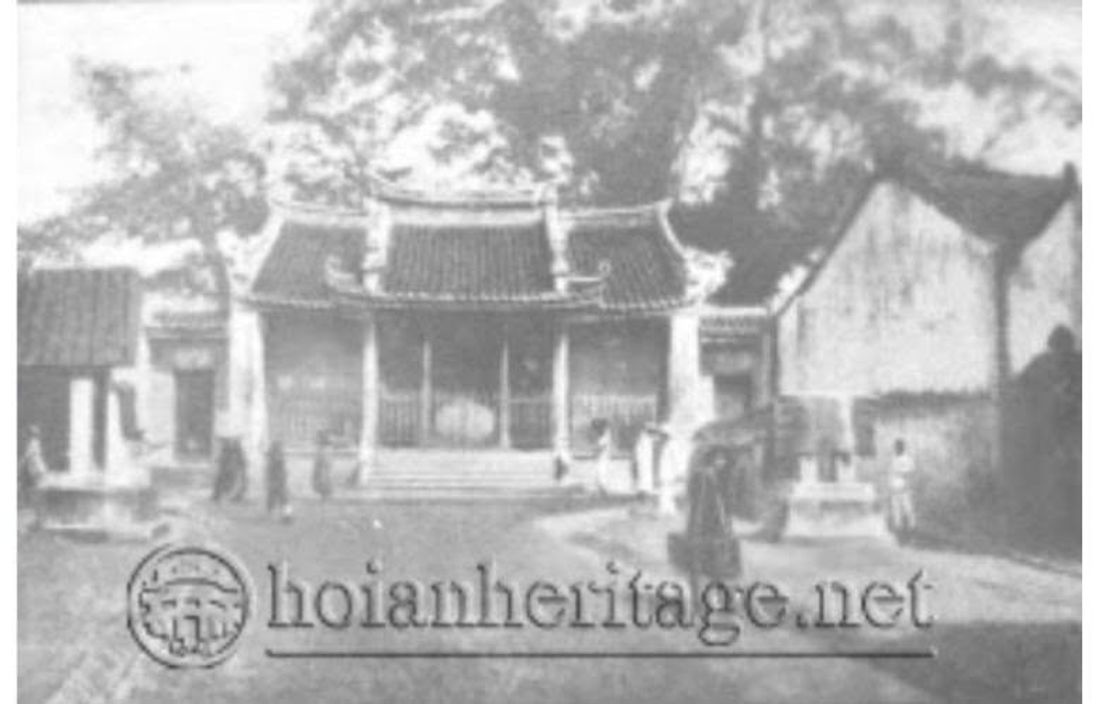
Source: Hội An Xưa community archive — post by Khê Phúc.
Gallery 2 — The river and waterfront: Faifo's lifeline
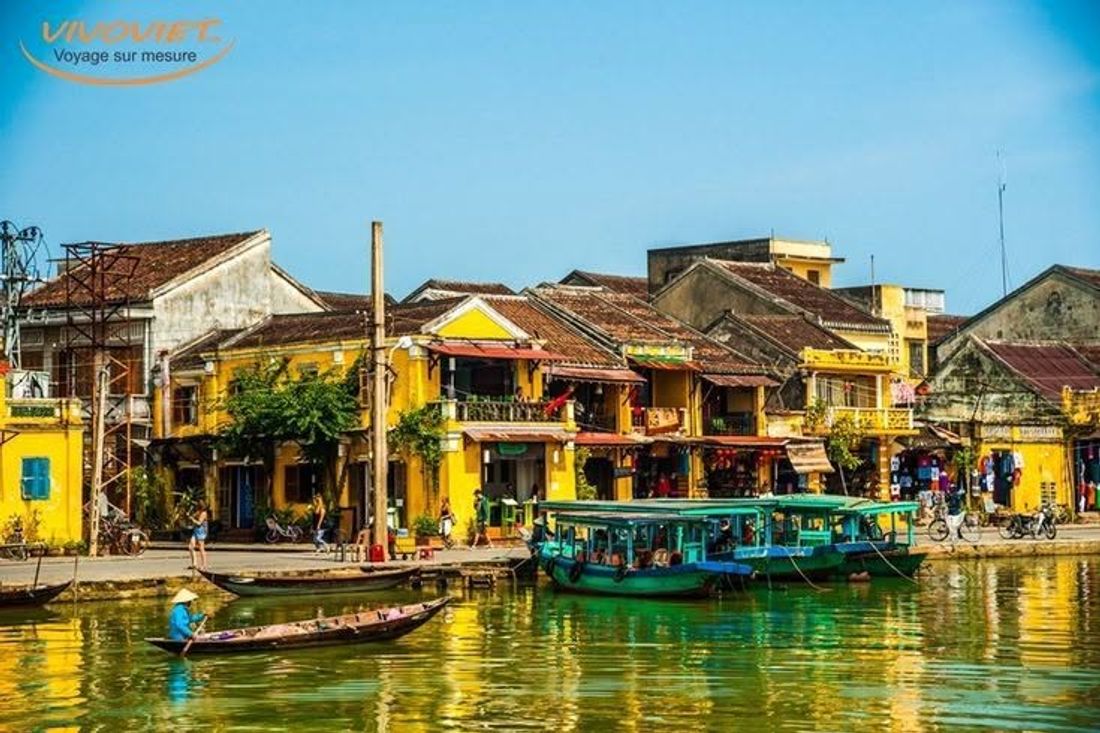
The Thu Bồn made Faifo. For three centuries it carried silk, ceramics, cinnamon and pepper down from the highlands to the port, and brought back Japanese silver, Chinese porcelain and Indian textiles. When the river silted up in the 19th century and the trade moved to Đà Nẵng, the town stopped growing — which is the accident that preserved it.
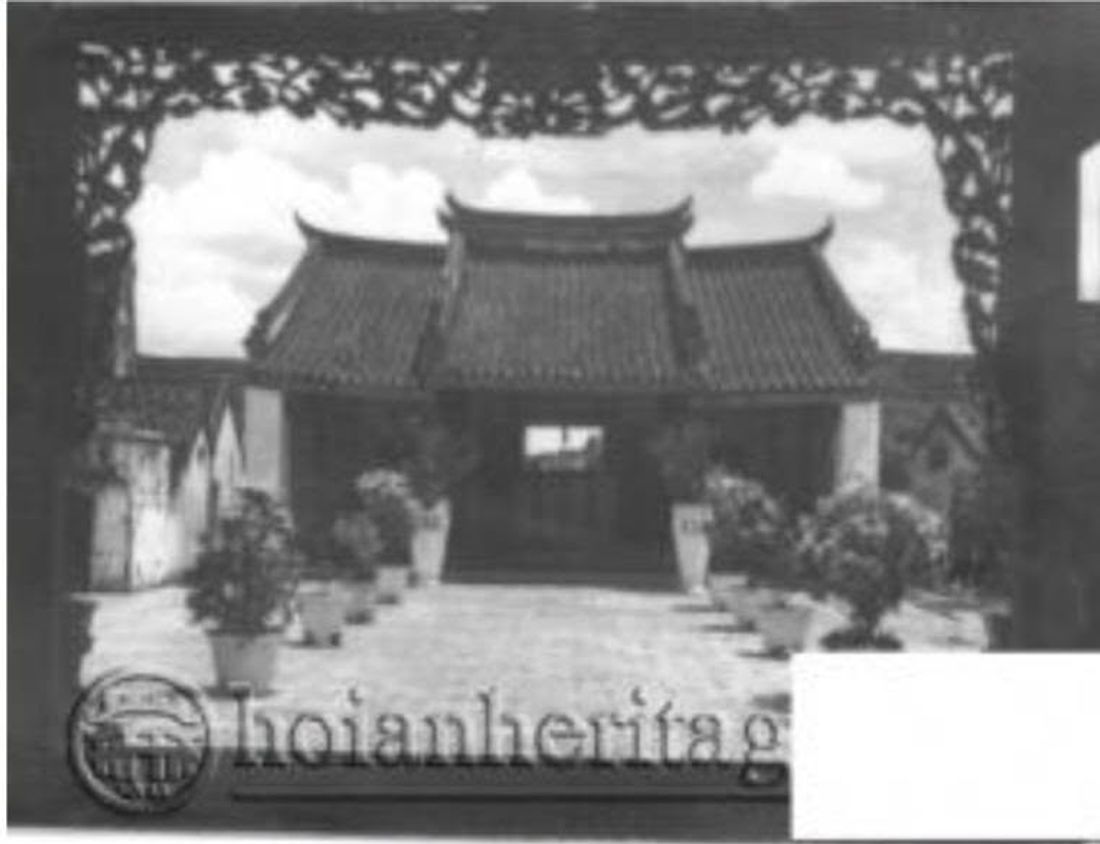
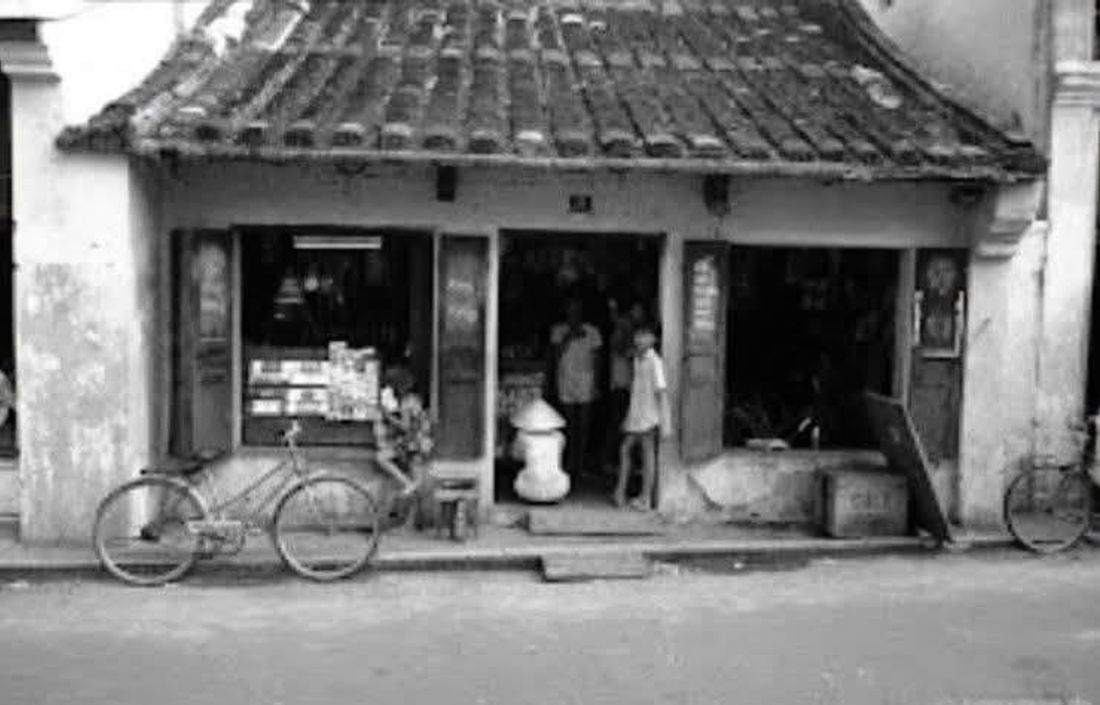
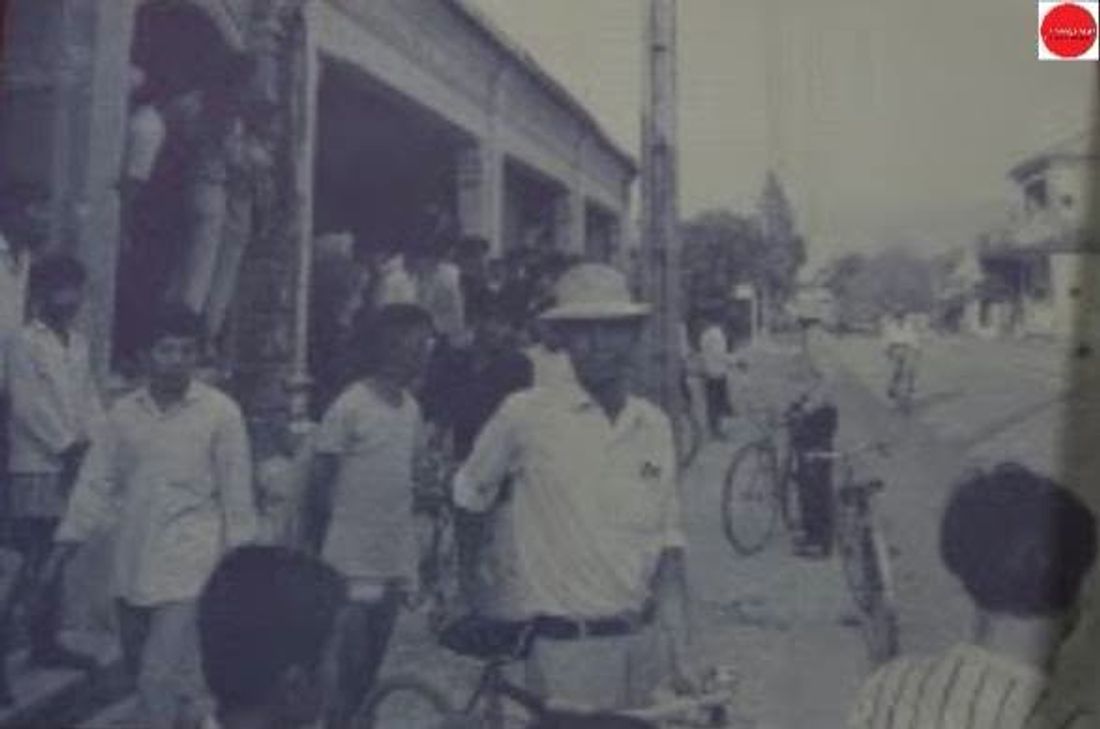
Source: Hội An Xưa community archive — post by Đô Thị Cổ Hội An.
Gallery 3 — Daily life: the town before tourism
Old Hoi An was a living town, not a museum. People cooked, argued, gossiped and hung laundry in the courtyards where visitors now take photographs. Several of the houses in these frames are still lived in by descendants of the people standing in them.
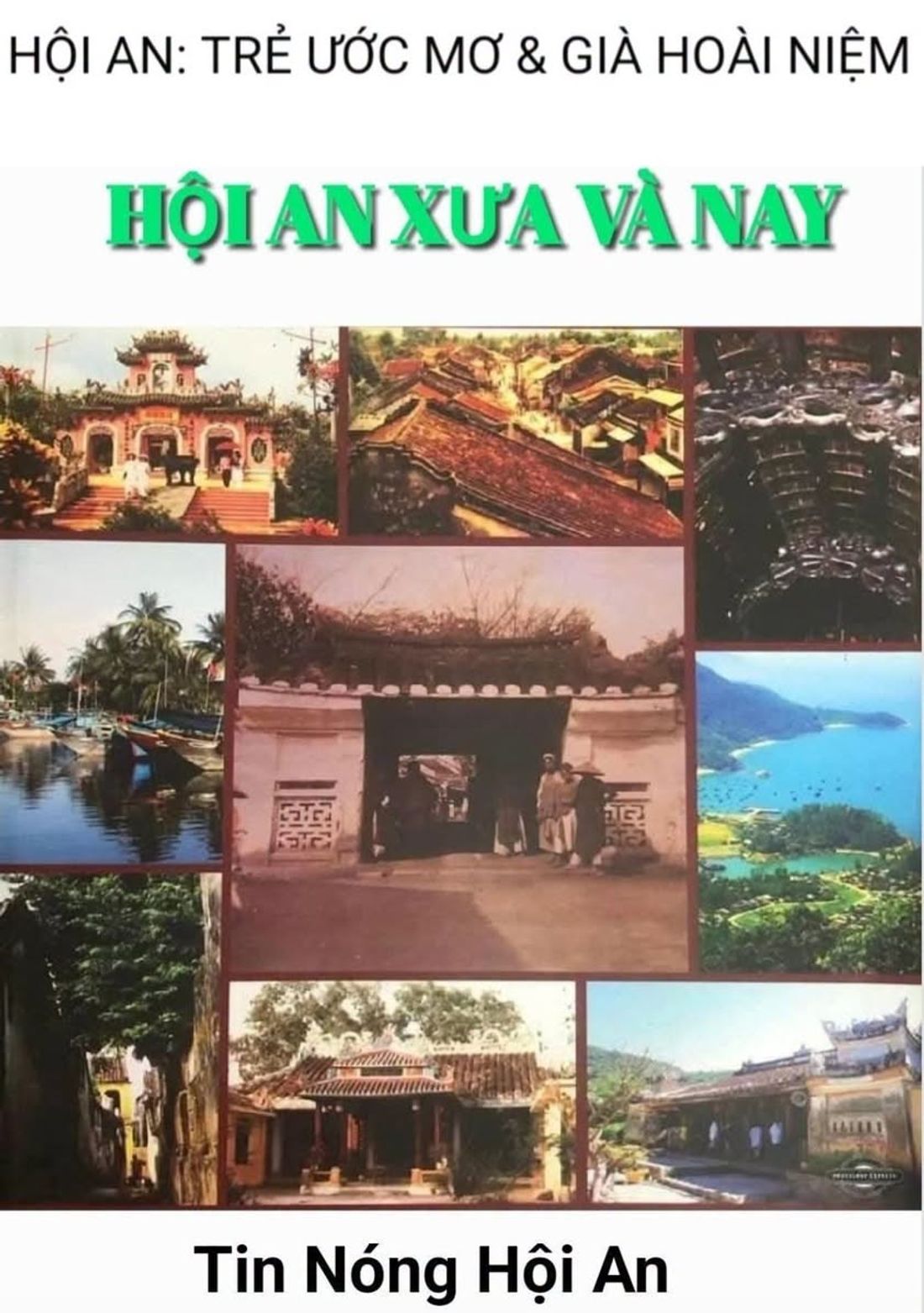
Source: Hội An Xưa community archive — post by Đô Thị Cổ Hội An.
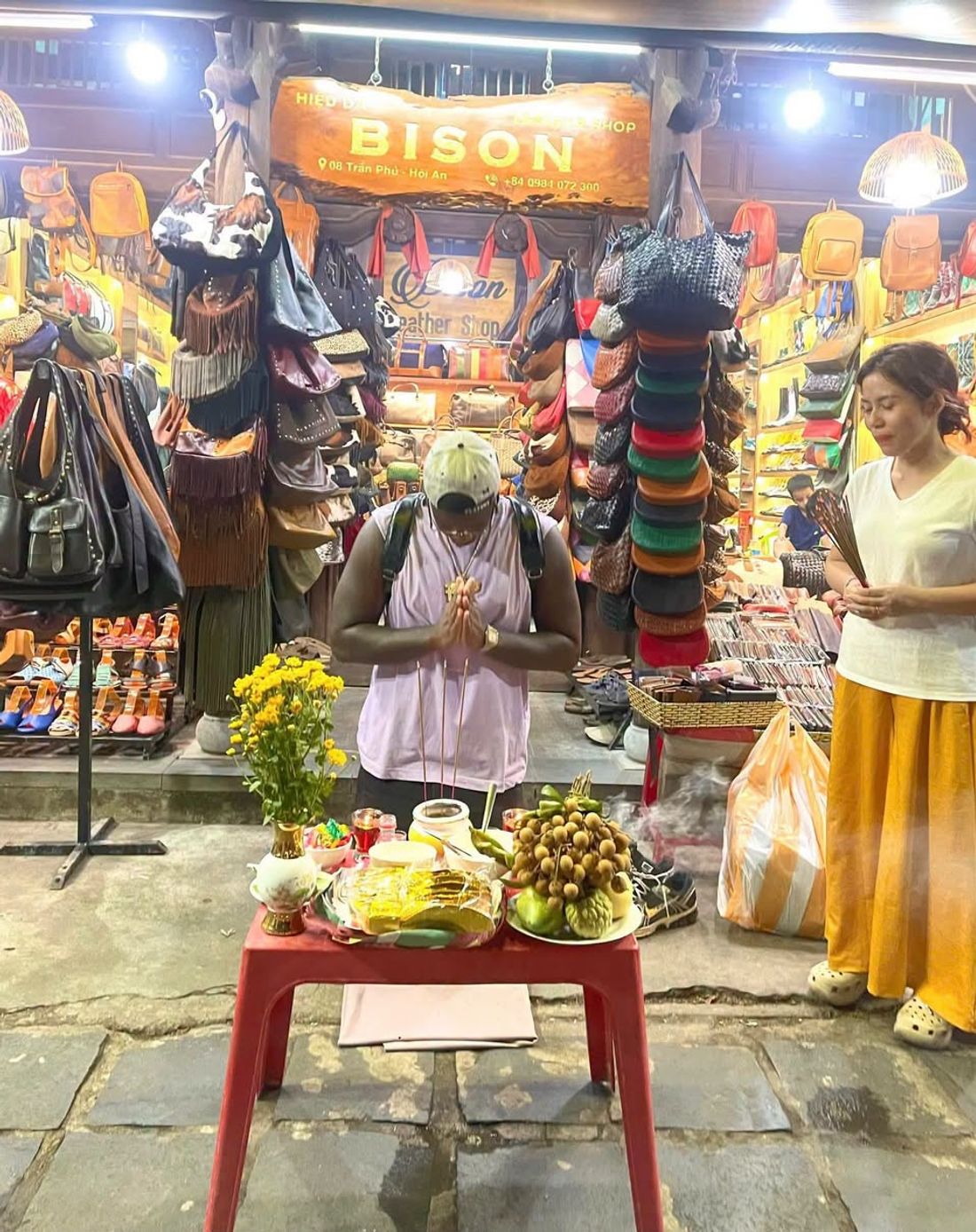
Gallery 4 — Street food and markets: what Faifo ate
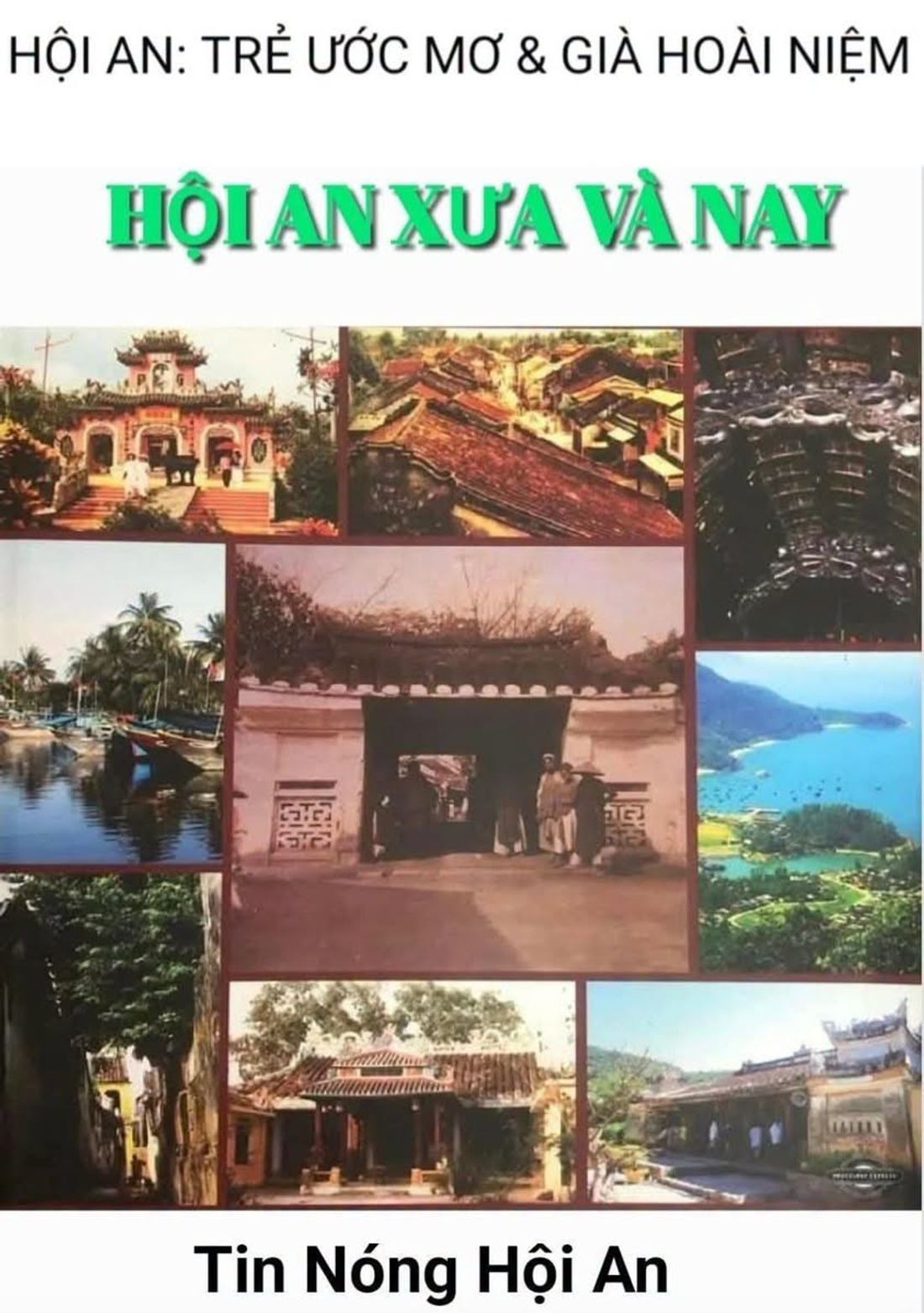
Hoi An's food reputation did not begin with a camera phone. Cao lầu — thick rice noodles with pork, greens and croutons, made with water from one specific well — has been sold from the same market stalls for more than a century. The food guide covers what survived and what did not.
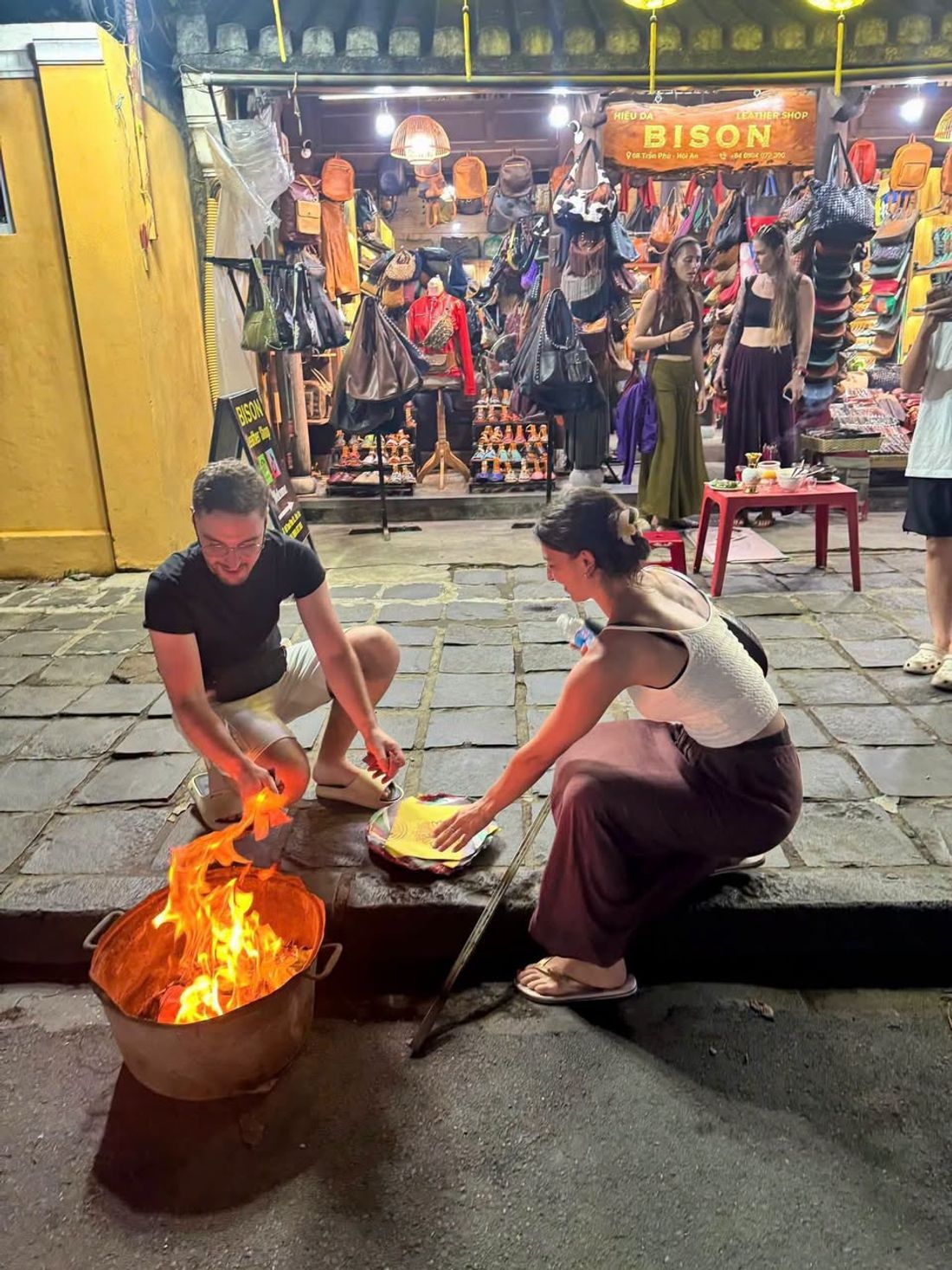
Source: Hội An Xưa community archive — post by Tin Nóng Hội An.
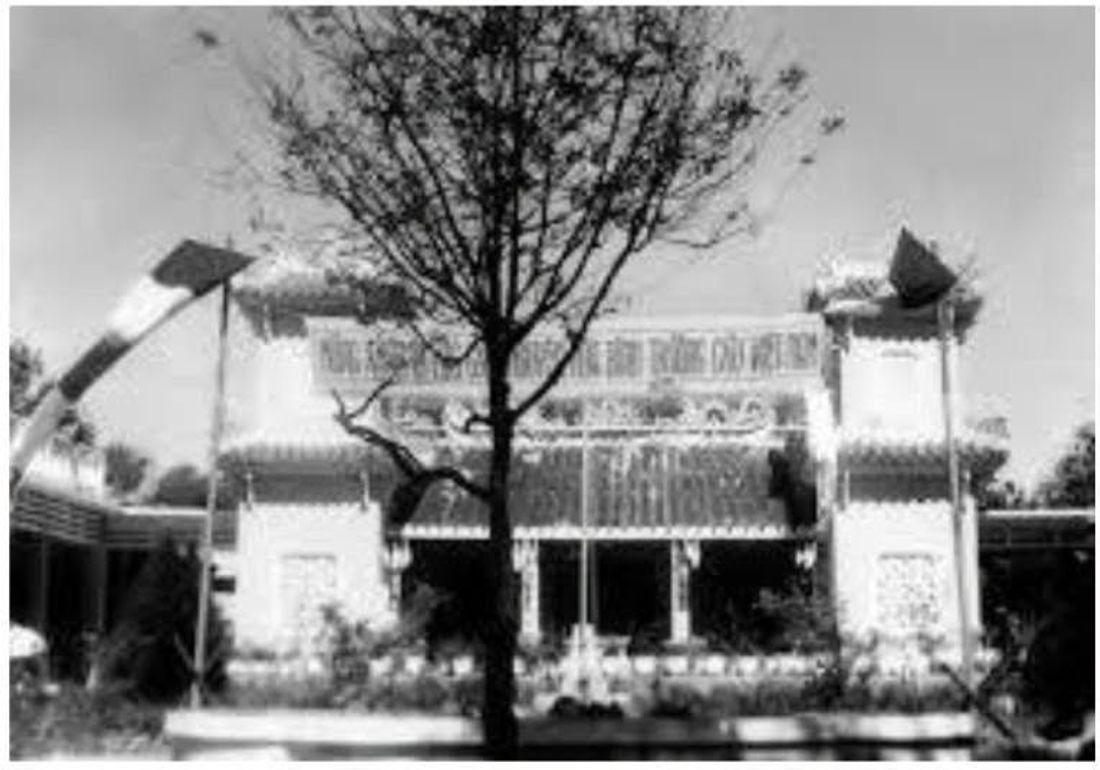
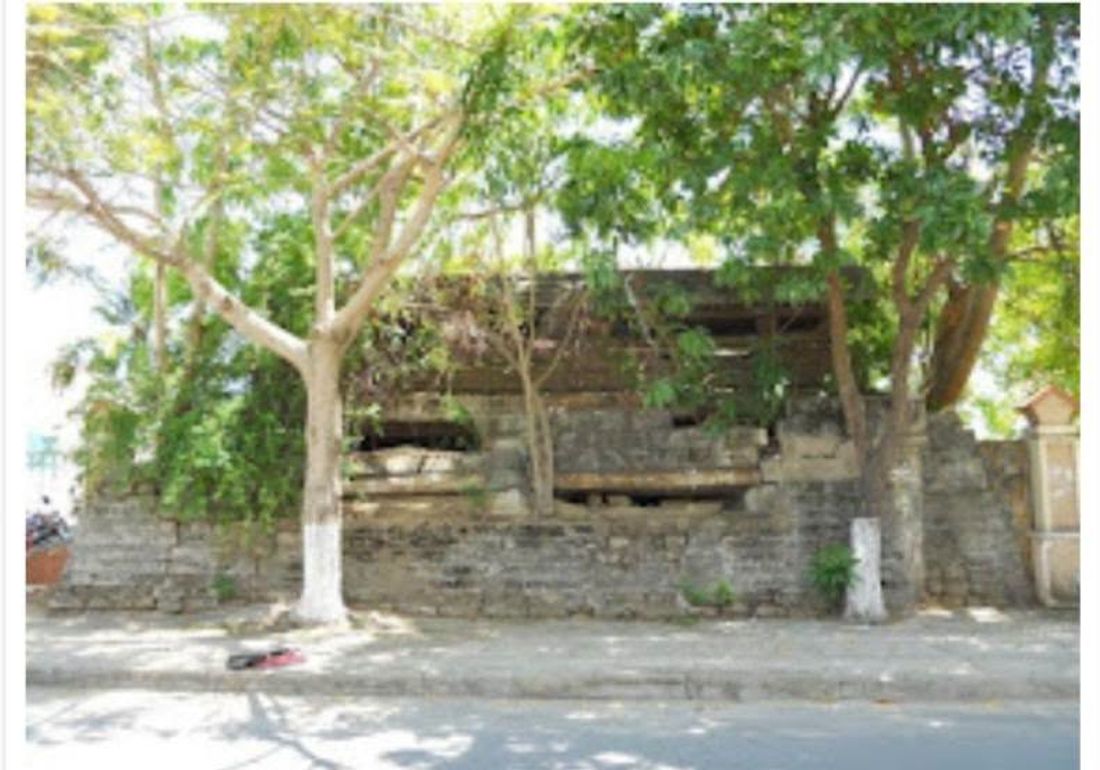
Gallery 5 — Crafts and villages: the hands behind the silk
Faifo was a trading port and also a production centre. The silk from Duy Xuyên and Mã Châu was famous across the region, and the pottery villages upriver supplied the jars the trade travelled in. Both are still working — see the craft villages guide.
Source: Hội An Xưa community archive — post by Đô Thị Cổ Hội An.
Gallery 6 — People and portraits: the faces of Faifo
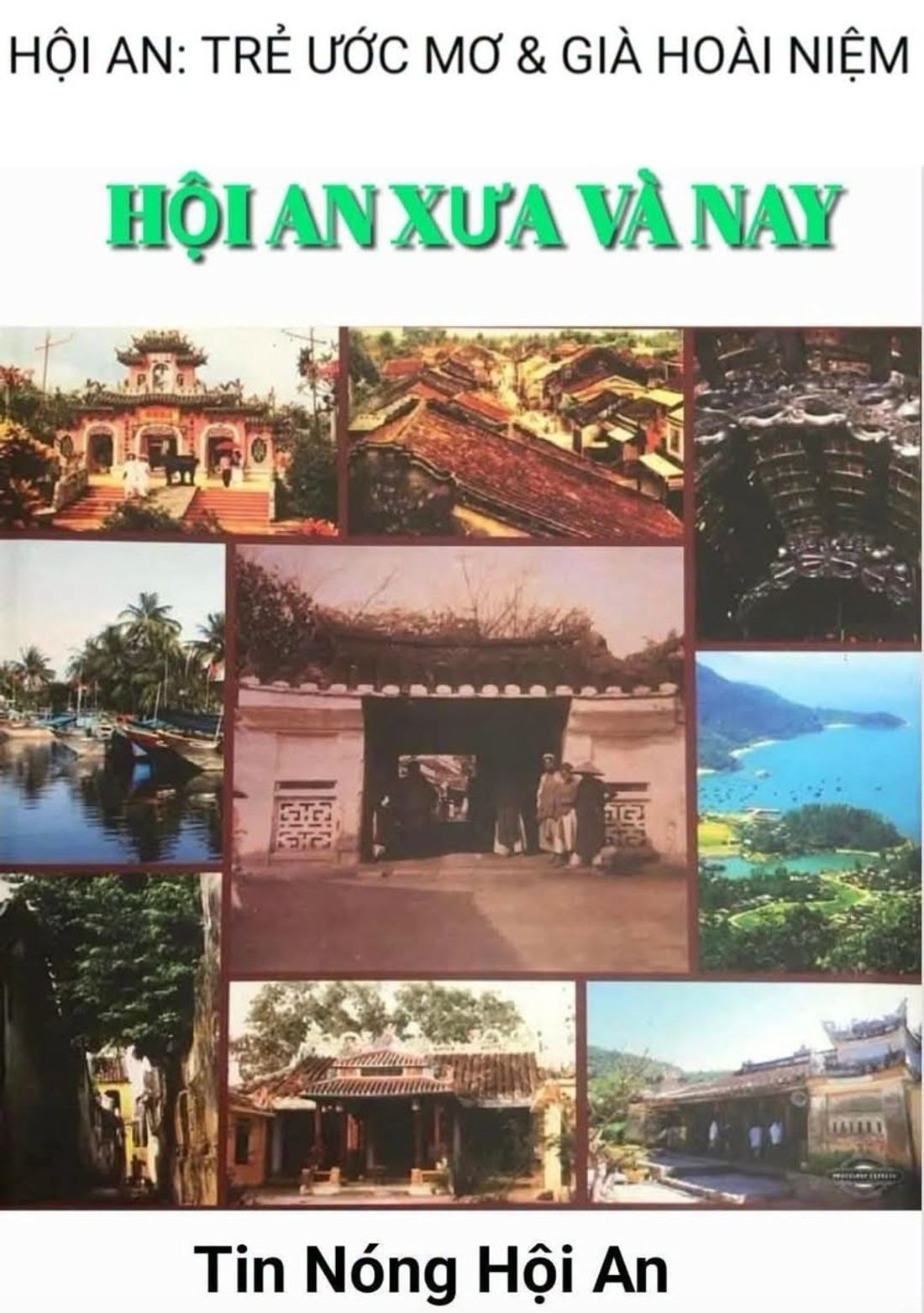
The most intimate gallery, and the one with the least reliable dating. These are not street scenes or architectural studies — they are portraits, mostly from family albums, mostly undated. If you recognise anyone in them, we would like to hear from you.
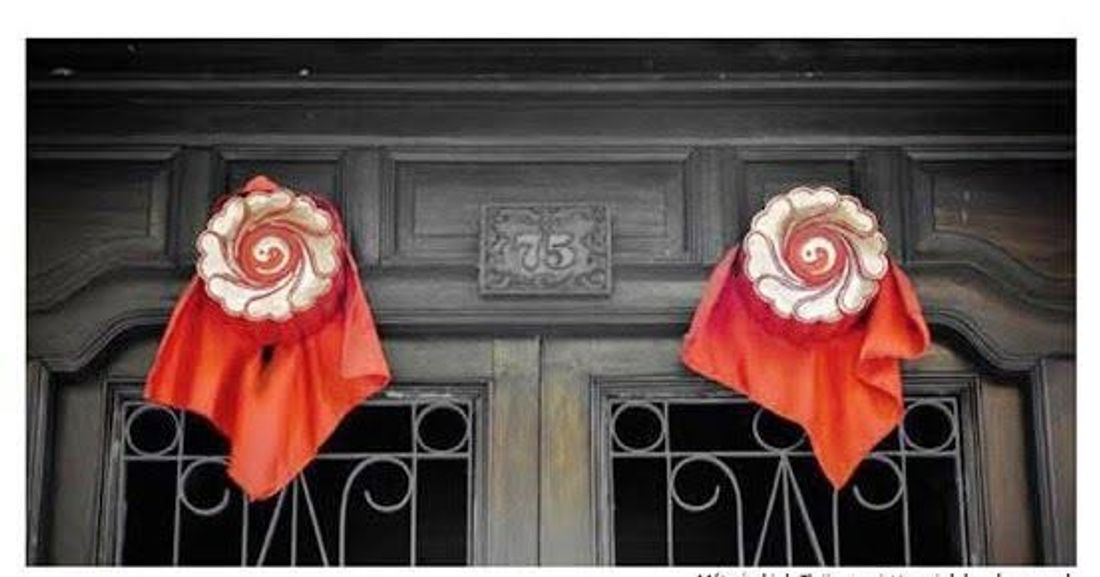
Source: Hội An Xưa community archive — post by Đô Thị Cổ Hội An.
Gallery 7 — Maps and documents: how the record was kept
The French colonial administration mapped Hoi An with the precision of engineers, and the assembly halls kept their own ledgers alongside. Between the two there is a written record of the town going back further than the photographs do.
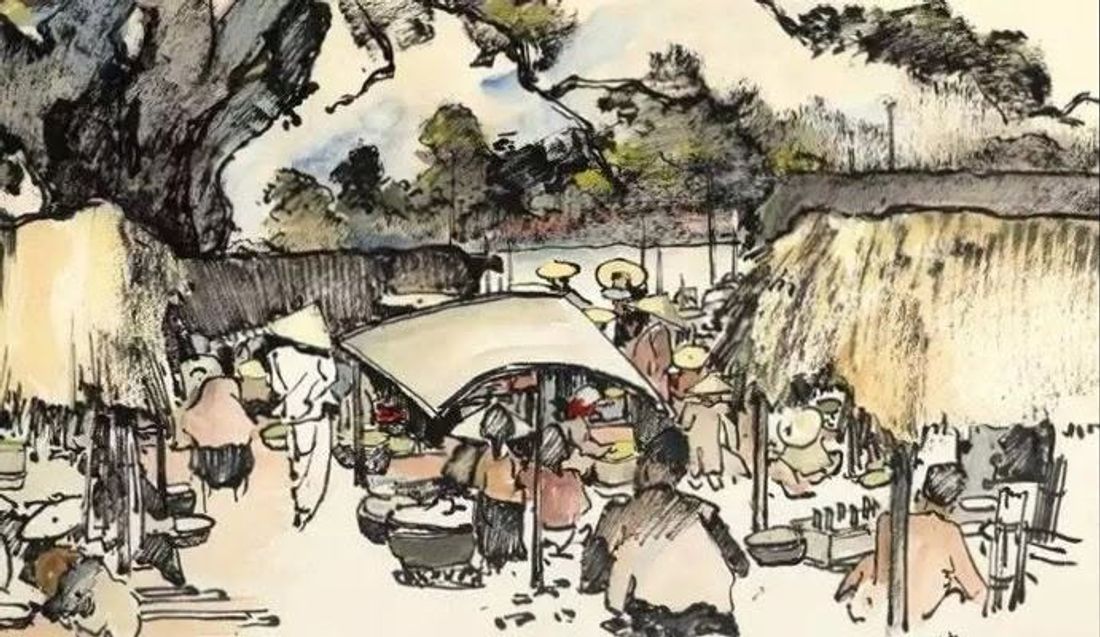
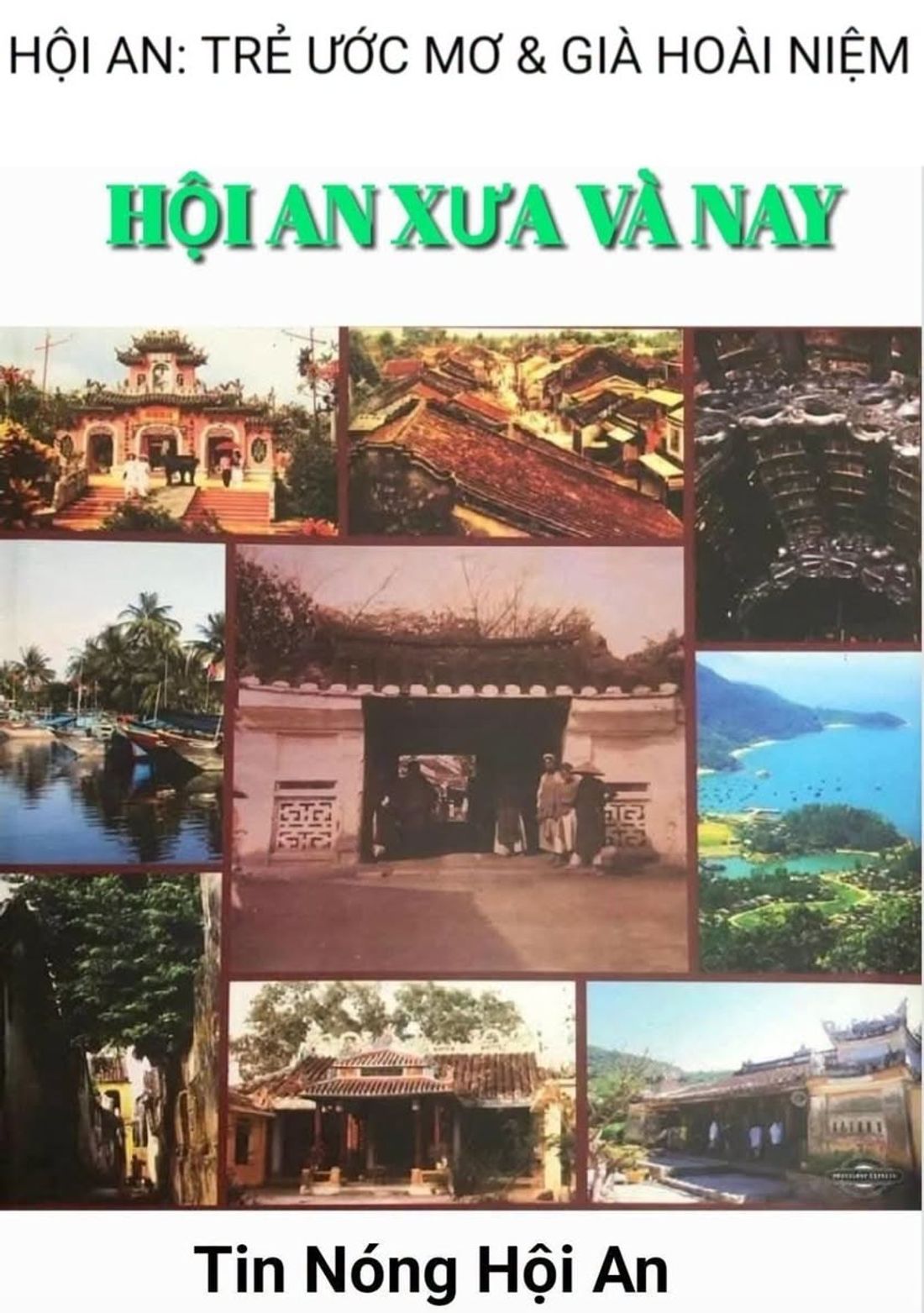
Source: Hội An Xưa community archive — post by Hội An Xưa.
Gallery 8 — Memory and nostalgia: the town that was
The last gallery is the hardest to categorise and the easiest to feel. These are the atmospheric ones — a bicycle in 1969, a lantern night, a man looking at the river. They are also the most-shared images in the archive, which tells you something about what people want from a photograph of a place.
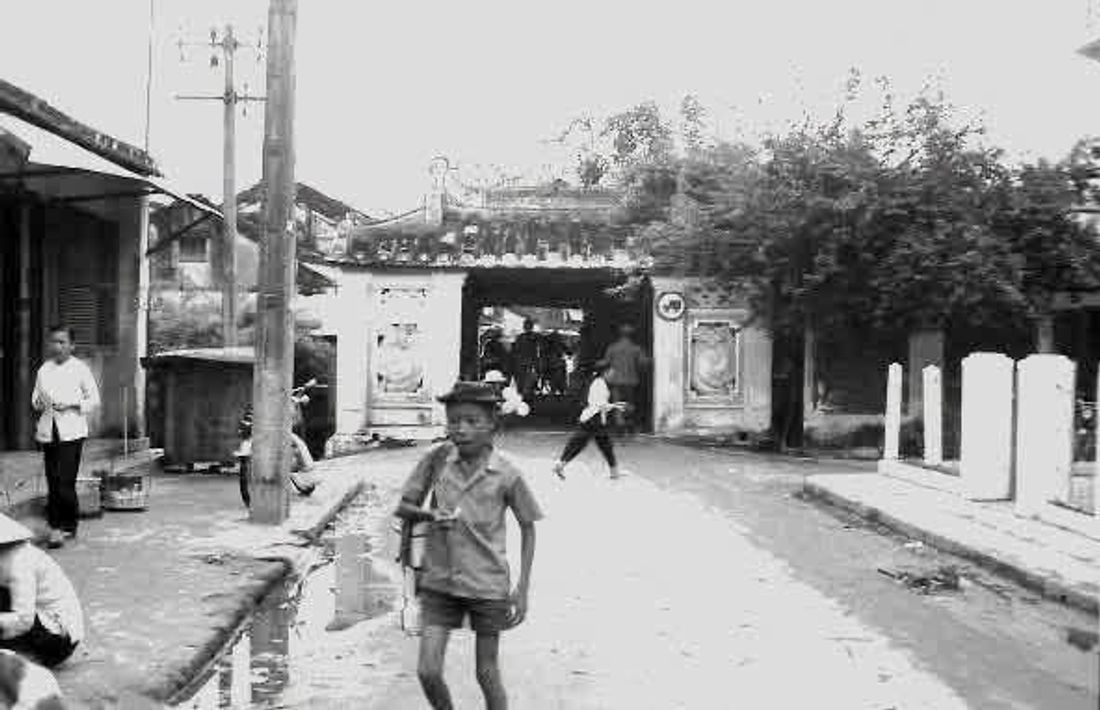
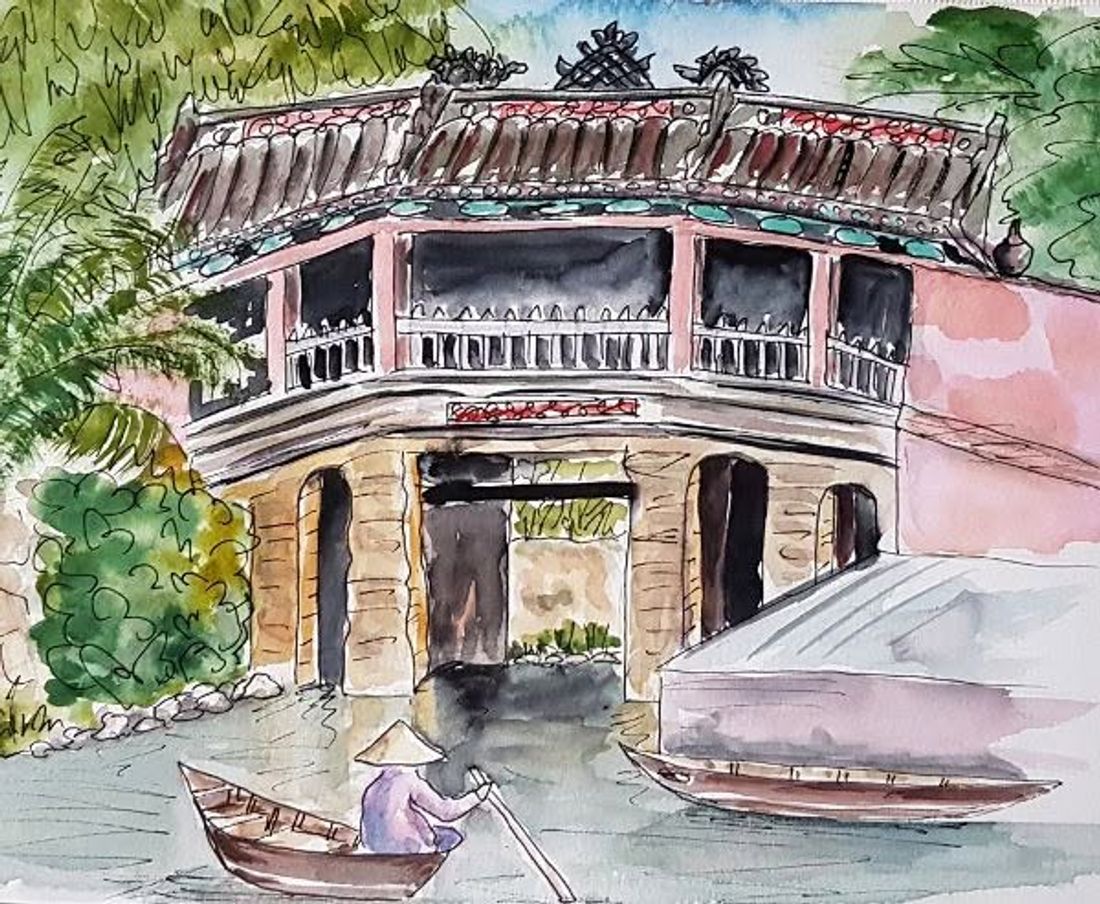
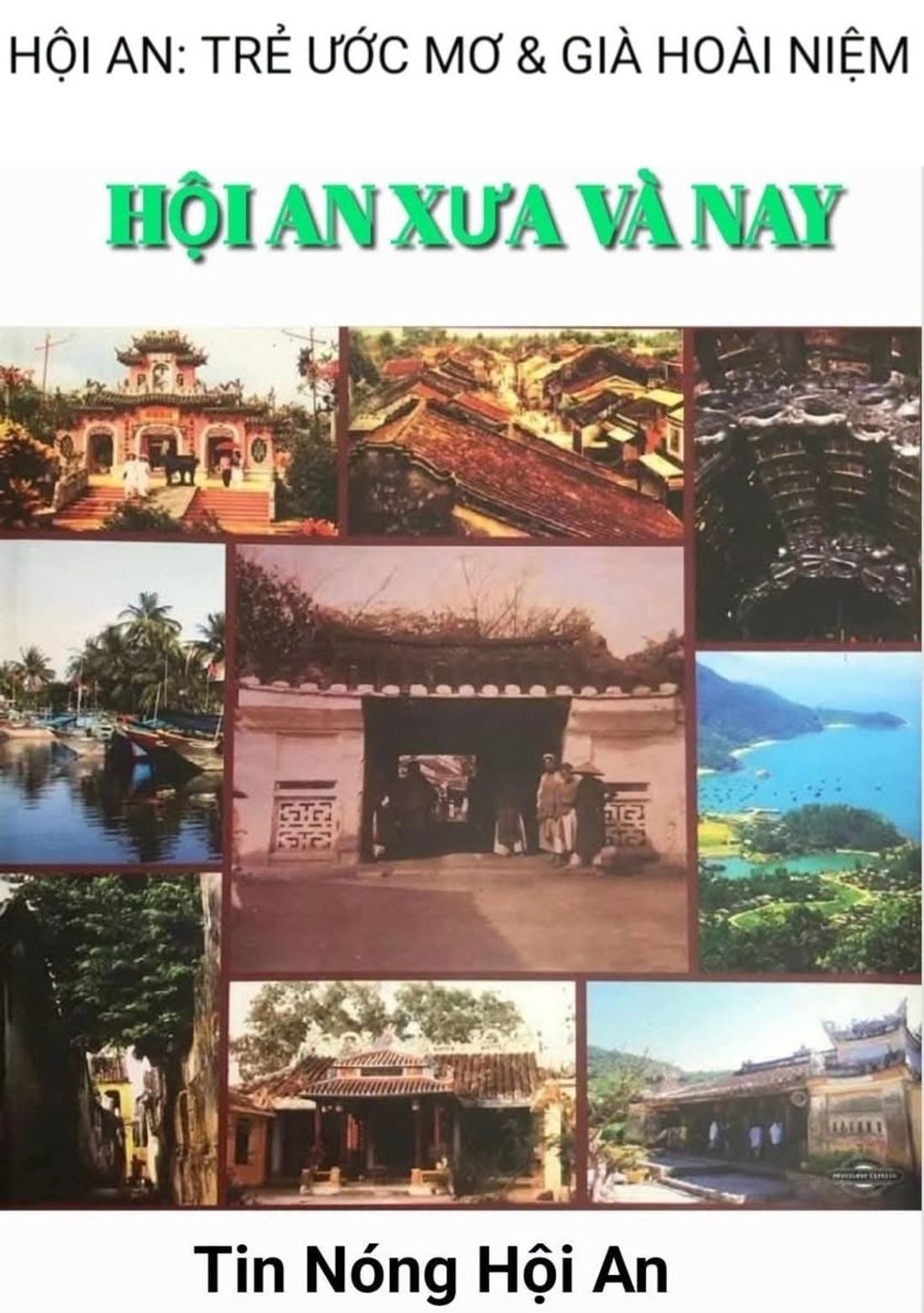
Source: Hội An Xưa community archive — post by Khê Phúc.
Where to see old Hoi An in person
The photographs are the easy part. The town they record is still standing, and a few places in the Old Town let you stand inside it.
- Tấn Ký house — an 18th-century merchant house still lived in by the same family, with flood marks painted on the wall at the height of each big flood. The closest thing in town to the courtyards in Gallery 3.
- The Museum of Trade Ceramics on Trần Phú — pottery pulled from the river and from shipwrecks, the physical evidence of the trade Gallery 2 describes.
- The Phúc Kiến Assembly Hall — the largest communal building in town, still used by the Fujian community it was built for.
- The Japanese Covered Bridge — compare the frames in Galleries 1 and 8 with the bridge as it is after the 2024 restoration.
All four use coupons from the Ancient Town ticket. The Old Town tour guide explains which coupons are worth spending, and these four are a good use of them.
How to use this archive
These photographs are a research tool as much as a gallery. Researchers can cross-reference the original captions against the assembly hall records. Travel writers can map a gallery to a walkable route — galleries 1 and 8 both sit inside twenty minutes of walking. Anyone planning a trip can use them as a reading list for the Old Town before arriving.
Two rules on reuse. Images from the French colonial period are largely in the public domain. Community-submitted images are used here with attribution and are not ours to license — for anything commercial, write to hello@fingoprivatetours.com and we will point you at the owner.
Visit the Hoi An these photographs remember
The town in these images is not gone. It is layered: beneath the lantern shops and the tailor stalls and the smoothie bars, the old Faifo is still there, and most of it is behind a door you would walk past.
That is most of what a guide is for. On the Old Town walking tour we go to the courtyard that still has its 18th-century altar, the lane that still smells of fish sauce drying, and the kitchen where a grandmother still cuts cao lầu noodles by hand. The Old Town tour guide sets out the route, and the 3-day itinerary shows where it fits.
FAQ
A few practical follow-up questions
Only the questions that sit naturally inside this article are shown here, so the page stays focused.
Article FAQ
They were collected from the Hội An Xưa Facebook group, French colonial archives, Vietnamese heritage collections, and private family albums. Each image retains its original caption.
Most images from French colonial archives (pre-1945) are in the public domain. Community-submitted images are used with attribution. Check individual post sources for licensing.
Hoi An was part of French Indochina from 1887 to 1945. Many of the earliest photographs were taken by French administrators, missionaries, and photographers, who labeled them in French.
Faifo is the old European name for Hoi An, used by Portuguese, Dutch, French, and other traders from the 16th to 19th centuries. The name appears on all French colonial maps and documents.
Remarkably well. The UNESCO listing in 1999 protected the core architecture. The Japanese Bridge, the assembly halls, the merchant houses — all still stand. What has changed is the street life.
For personal or educational use, yes. For commercial use, please contact us at hello@fingoprivatetours.com for licensing.
Same topic
More in this topic
If this topic is close to your trip, these notes stay within the same planning lane without sending you off into a wider archive.
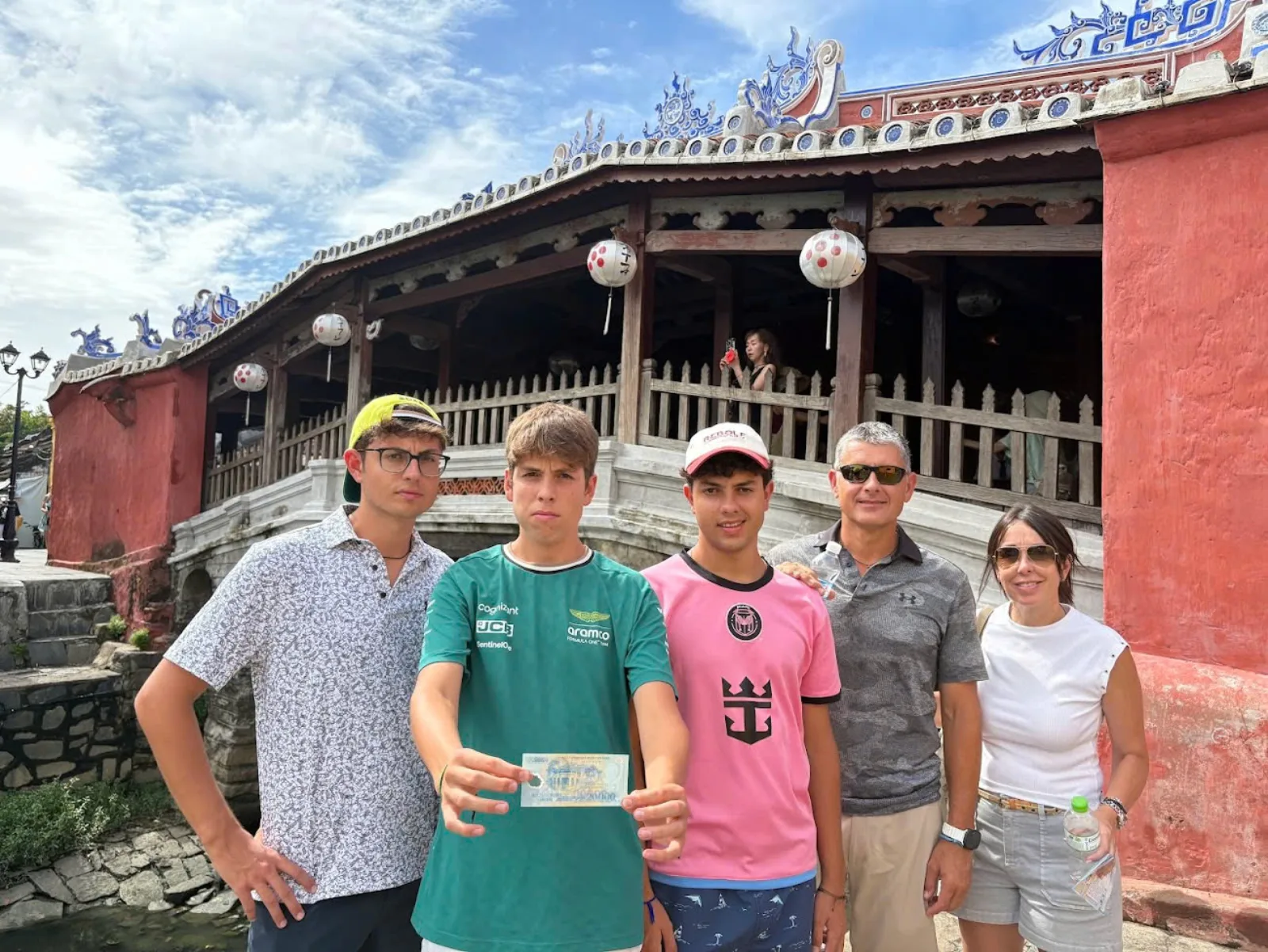
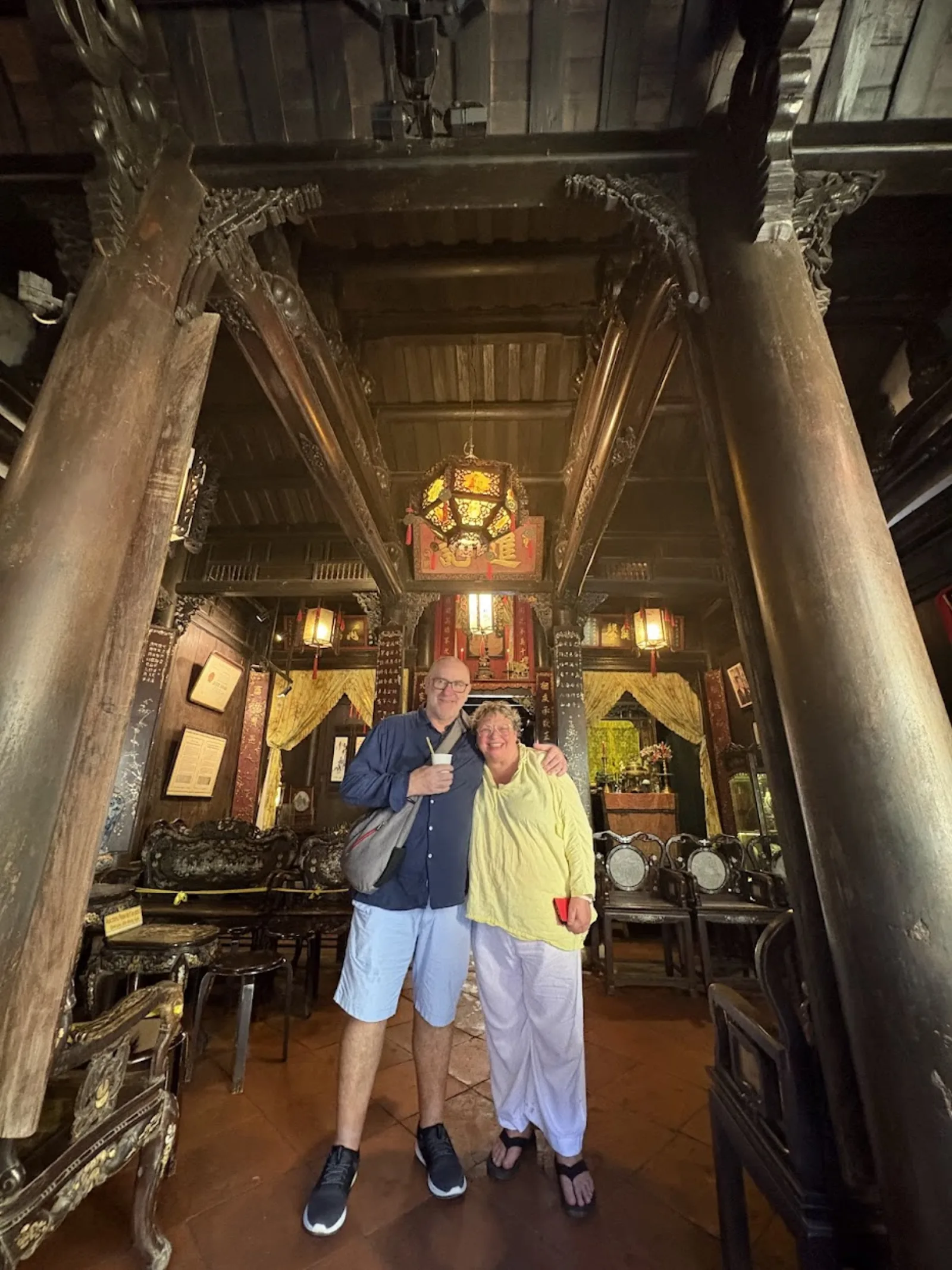
Related tours
If you want to turn the note into a real plan
These tours sit closest to the topic you just read, so the next step stays grounded in the actual route options.
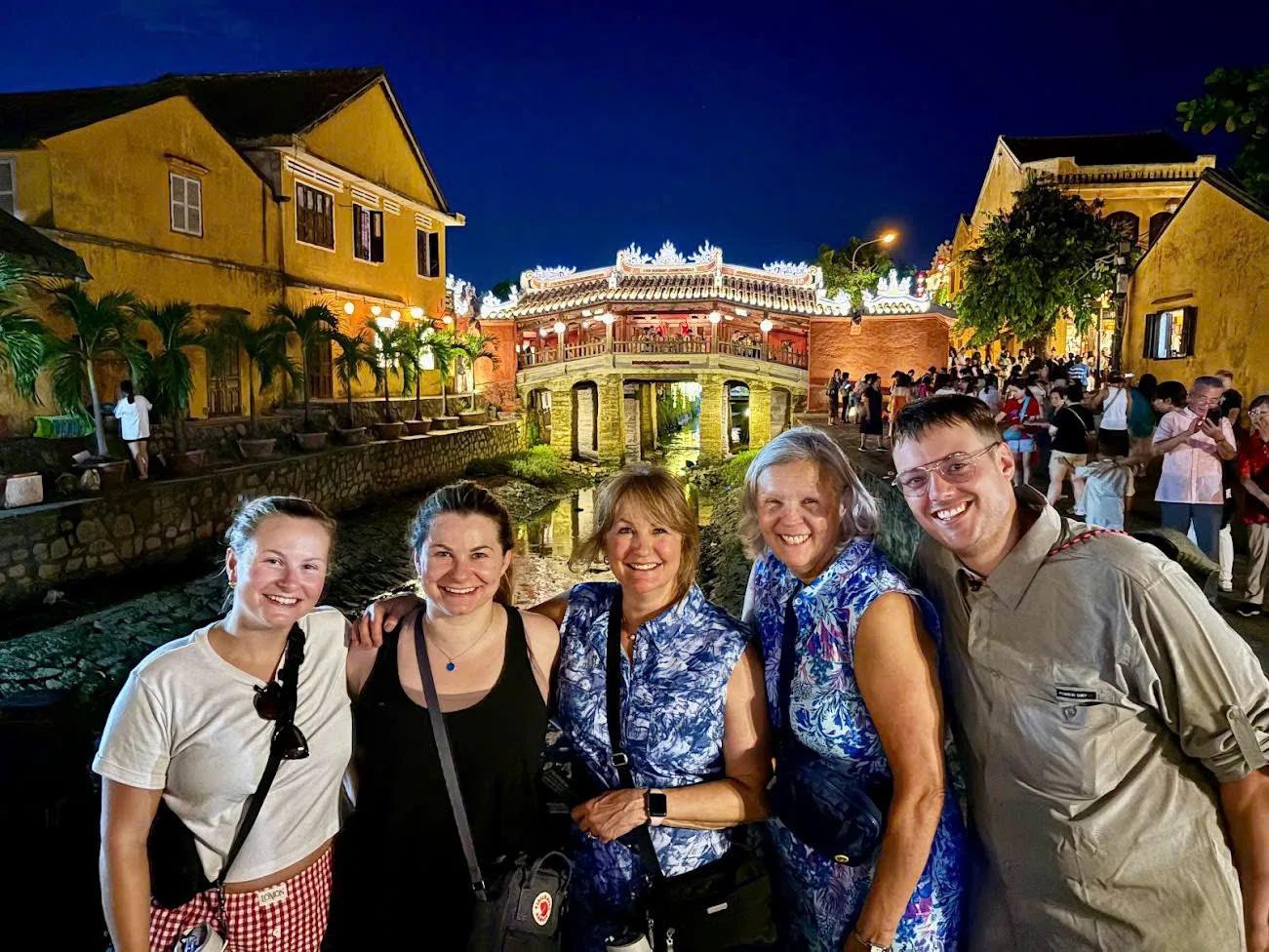
Walking & Street Food Tour
Hoi An Ancient Town Walking & Street Food Tour
Join our half-day tour to explore the best of Hội An. Walk through lantern-lit streets, visit iconic landmarks, and enjoy delicious local food.
3 to 4 hours
Explore the Hoi An Ancient Town Walking & Street Food Tour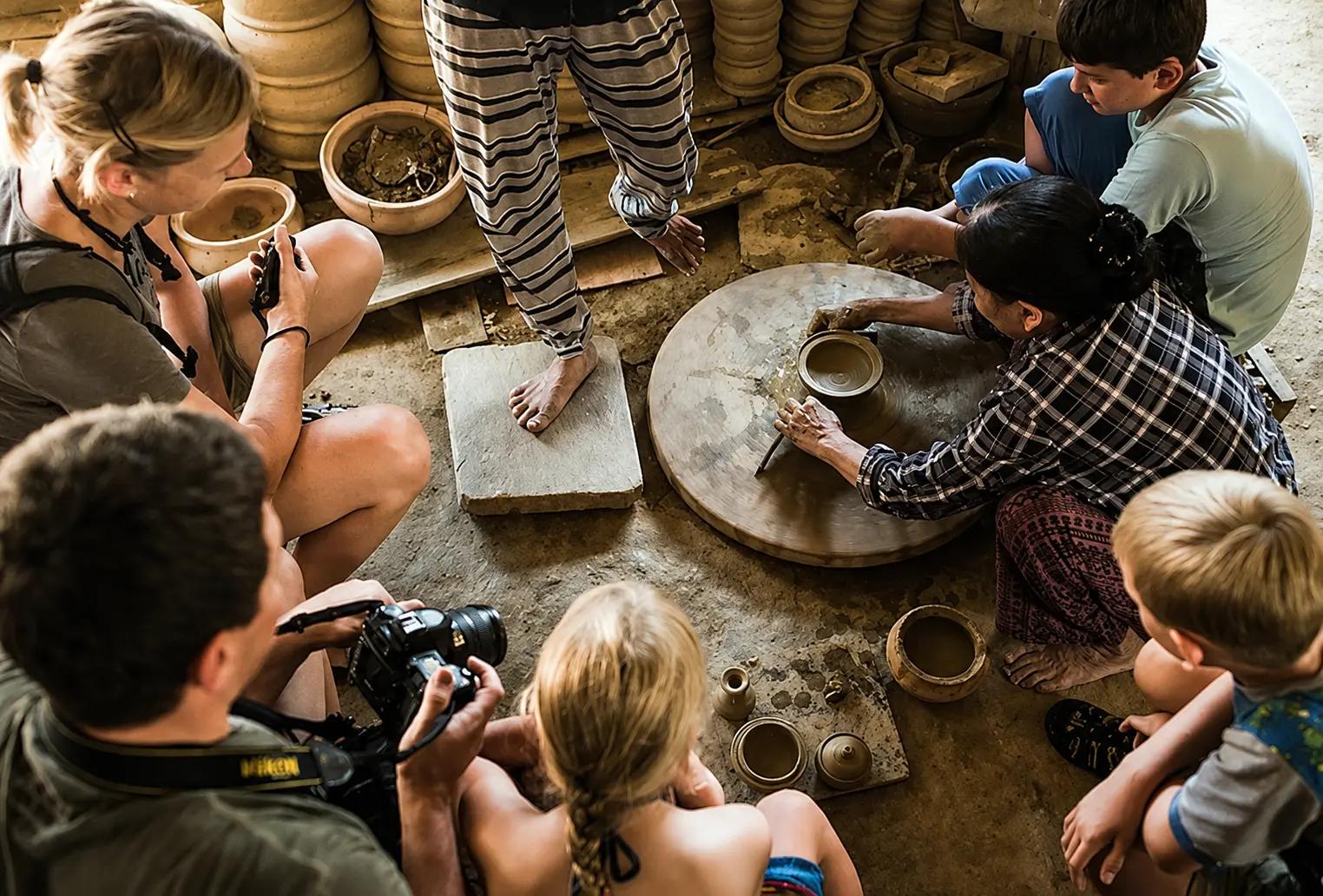
Local Life
Hoi An Full-Day Old Town and Villages Tour
One full day covering the Ancient Town on foot and the craft villages across the river: Japanese Bridge, merchant houses, Kim Bong carpentry, Thanh Ha pottery and a riverside lunch.
About 8 hours
Explore the Hoi An Full-Day Old Town and Villages TourNext step
If you want to turn this into a real route, start with the tours
Use the article for context, then move into the private tour pages when you want to compare the actual route styles more directly.