
Local life & crafts
Hoi An Craft Villages Guide: Thanh Ha Pottery and Tra Que Herbs
Two working villages 20 minutes from the Old Town: 500-year-old Thanh Ha pottery fired from Thu Bon clay, and Tra Que herbs fertilized with lagoon seaweed.
Sep 2, 2026 · 7 min read
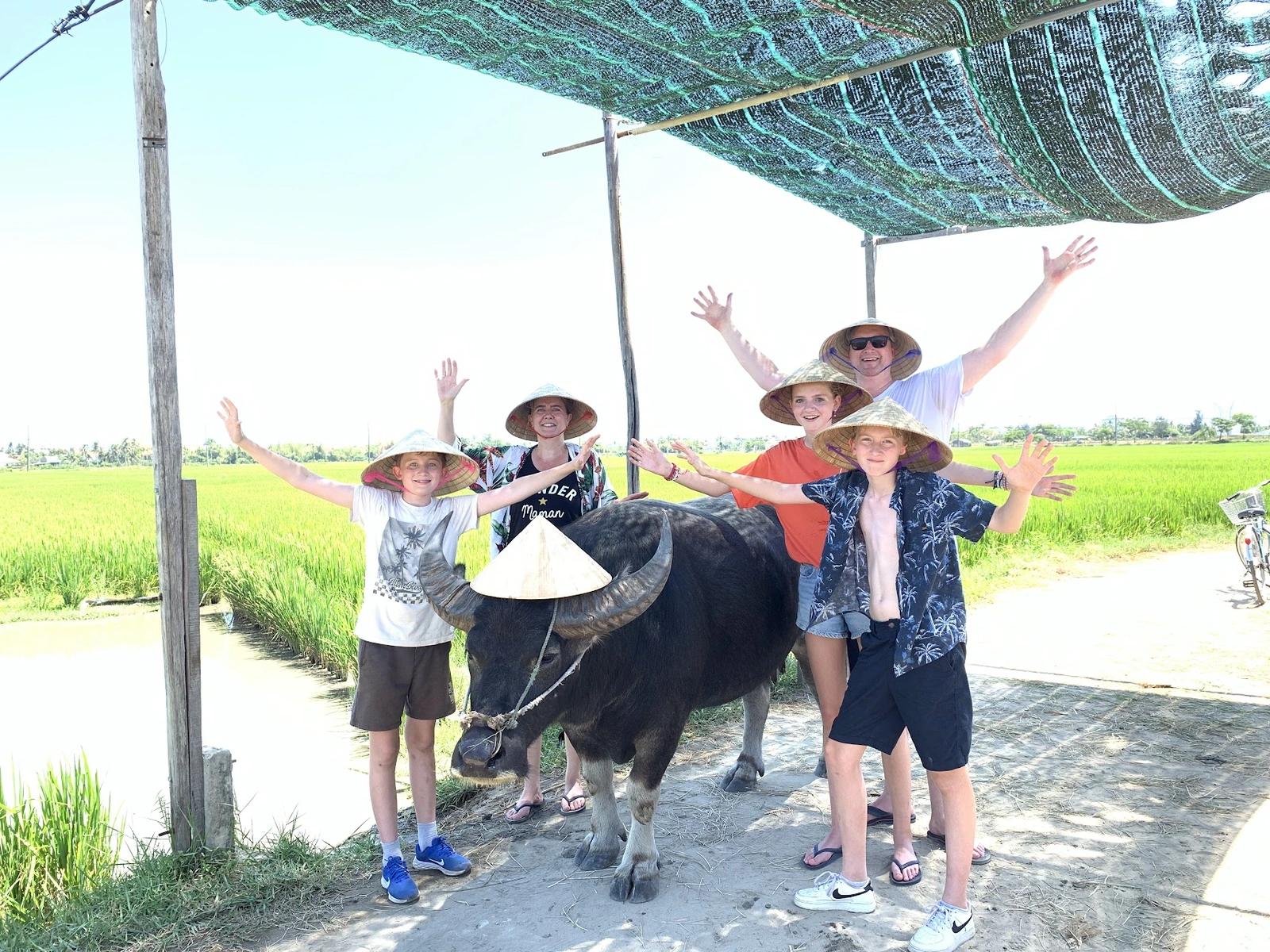
Last updated: 10 September 2026 — written by Fin, a local guide in Hoi An.
Quick answer: what are Hoi An's craft villages?
Two working villages sit within a 20-minute ride of Hoi An's Old Town, and between them they tell the whole story of how this corner of Vietnam was settled. Thanh Hà is a 500-year-old pottery village founded by families who fled a civil war; about 23 families still fire Thu Bồn river clay there today. Trà Quế is a 400-year-old herb village renamed by a Nguyễn dynasty king, whose farmers still fertilise their beds with seaweed hauled from the lagoon.
Neither is a museum. Both are places where people are working when you arrive, which is the reason to go and also the reason to go early.
Key takeaways
- Go before 9am. Both villages are at work then and quiet by 11.
- Thanh Hà charges a small entrance fee; walking Trà Quế is free.
- Both are hands-on — a kick wheel at one, a herb bed at the other.
- 3–5km from the Old Town. Bicycle if the weather allows, car with small children or grandparents.
- Half a day covers both comfortably. A full day is too much for two villages.
The two villages side by side
| Thanh Hà pottery village | Trà Quế herb village | |
|---|---|---|
| Founded | Early 16th century — about 500 years | About 400 years |
| From the Old Town | 3km west, 10 min by car | 3km northeast, 8 min by car |
| Cost | Small entrance fee; extra to throw a pot | Free to walk; $8–$15 to plant, $25–$40 for a class |
| What you do | Shape a pot or a whistle toy at a kick wheel | Plant, water with the twin bamboo cans, cook what you pick |
| Best hour | Morning, for the light on the drying yards | Before 9:30am, while the watering is happening |
| Time needed | 45–60 min | 30 min to walk; 3–4 hours for a class |
What makes Thanh Ha pottery village different?
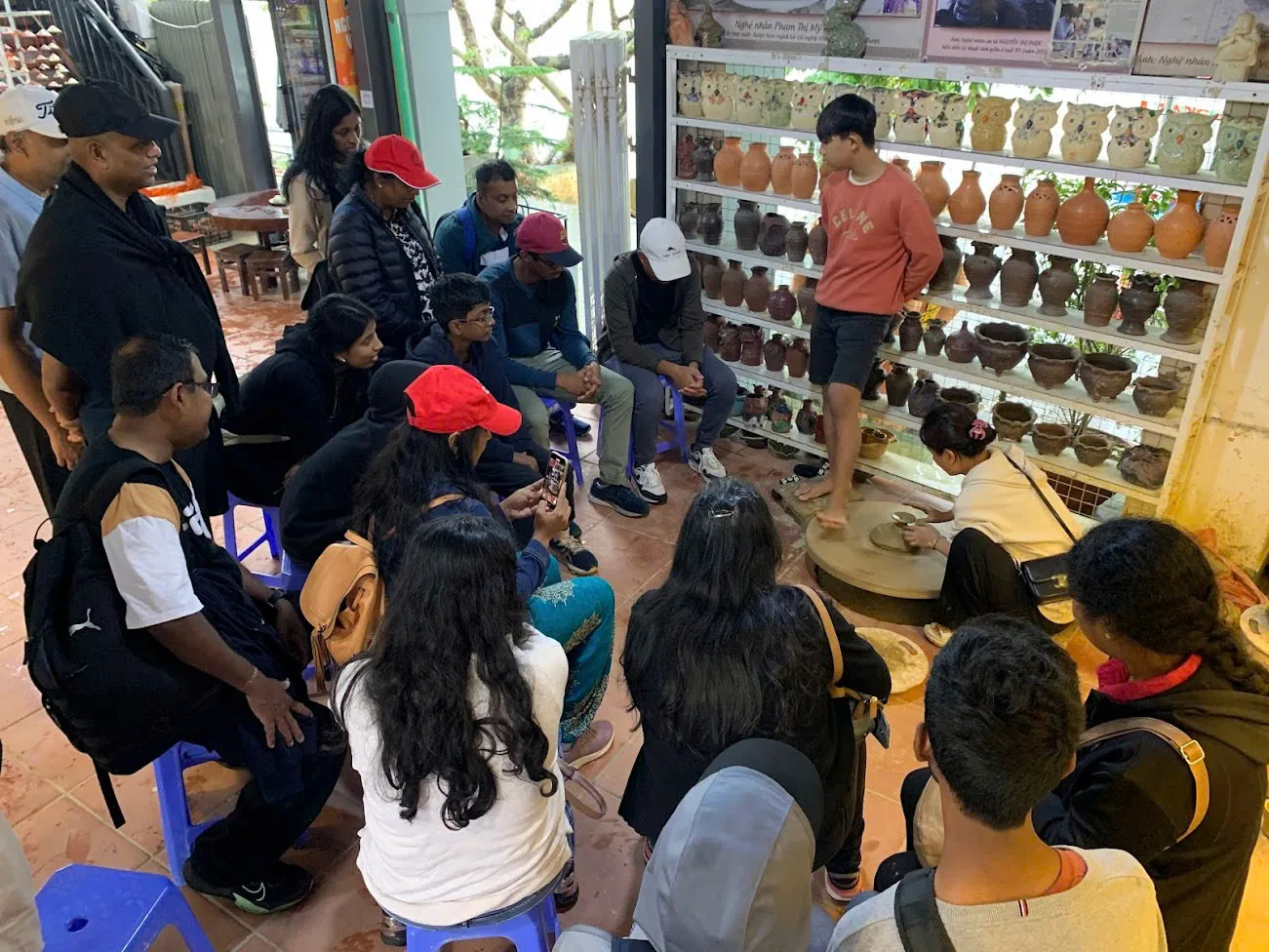
Thanh Hà has been making pottery since the early 16th century, and its origin is a story about running away. During the 17th-century civil war between the Trịnh Lords in the north and the Nguyễn Lords in the south, Vietnam was split for 250 years at the Gianh River in Quảng Bình province. Families from Thanh Hóa province fled south to escape the fighting, settled on the Thu Bồn river, and named their new village Thanh Hà after the homeland they had left.
The craft survived because the clay is local. Potters collect raw clay from beside the Thu Bồn, clean out the soil and gravel, knead it by foot for about two days, then rest it for two weeks before shaping anything. A finished piece fires for eight hours at 600 to 900 degrees Celsius — lower than the 1,000-plus degrees porcelain needs, which is why Thanh Hà ware keeps its warm terracotta colour and its unglazed, chemical-free finish.
Today around 23 craftsman families — roughly 100 workers — produce about 400,000 items a year: pots, kettles, jars, and the small clay whistle toys you will see in every souvenir shop in town. Nothing is glazed with chemical enamel. The finish comes from the river clay itself, and if you buy a piece, that is what you are buying.
Why did a king rename Tra Que village?
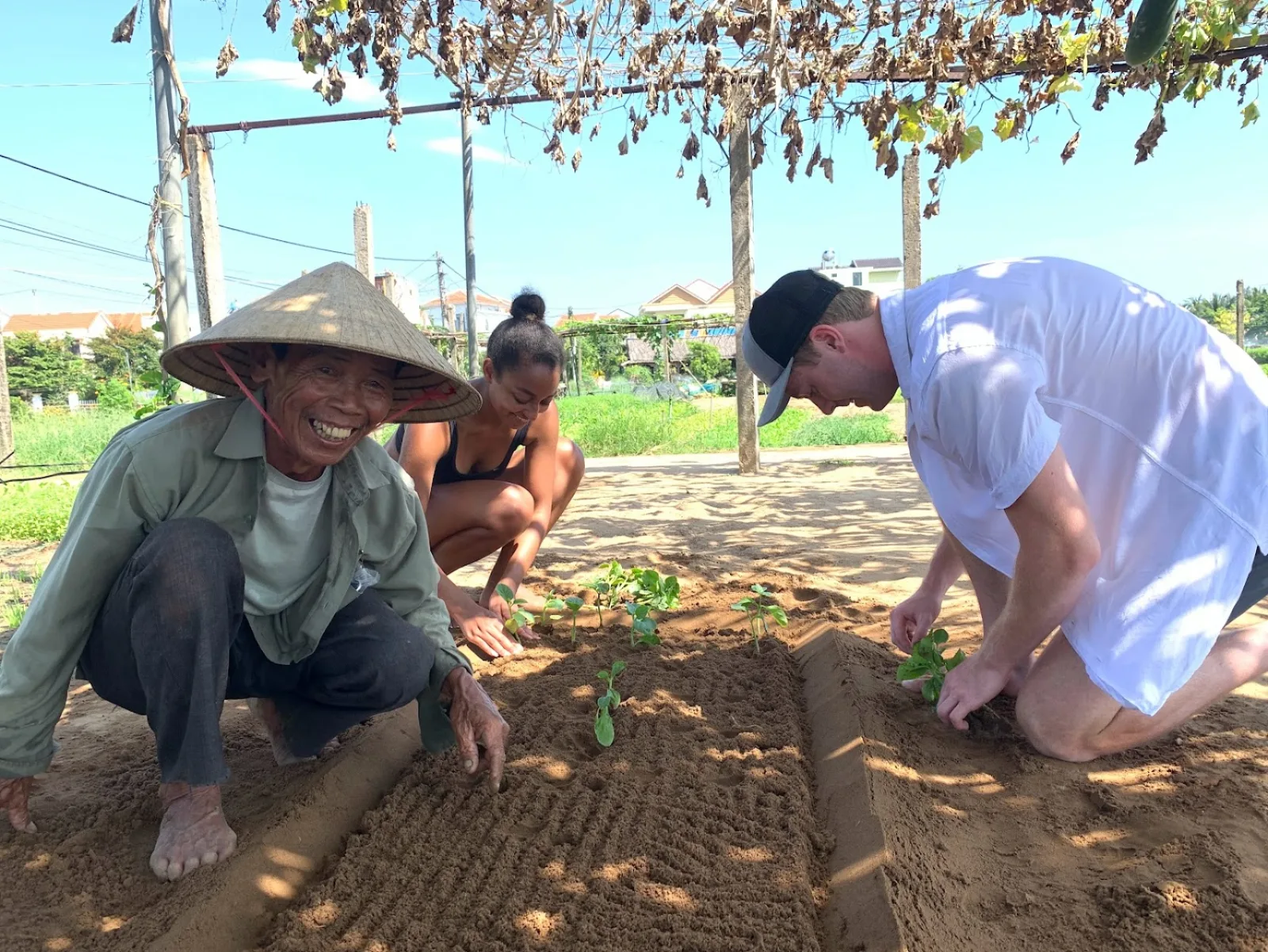
Trà Quế is about 400 years old and started as a fishing settlement — growing vegetables was the side job until the herbs became too famous to ignore. The village was originally called Như Quế, "the scent of cinnamon," after the smell of its greens.
In the 18th century a Nguyễn dynasty king travelling along the De Vong river heard about a village growing strangely fragrant vegetables and stopped to taste them. The greens carried the flavour of cinnamon and tea flower, so he renamed the village Trà Quế — "tea flower and cinnamon" — and the name stuck.
The secret is in the soil and the fertiliser. Trà Quế sits on alluvial soil that holds moisture while staying porous, and farmers feed the beds with algae and seaweed collected from the nearby lagoon rather than chemical fertiliser. That lagoon seaweed is what gives Trà Quế scallions, coriander, Malabar spinach, purple perilla and saw leaf the aroma Hoi An cooks insist on. Most of the herb baskets served with cao lầu and mì Quảng in this town came out of these beds that morning. The full Trà Quế guide covers the visit in more detail.
What can you actually do at the two villages?

Both are hands-on rather than look-through-a-fence.
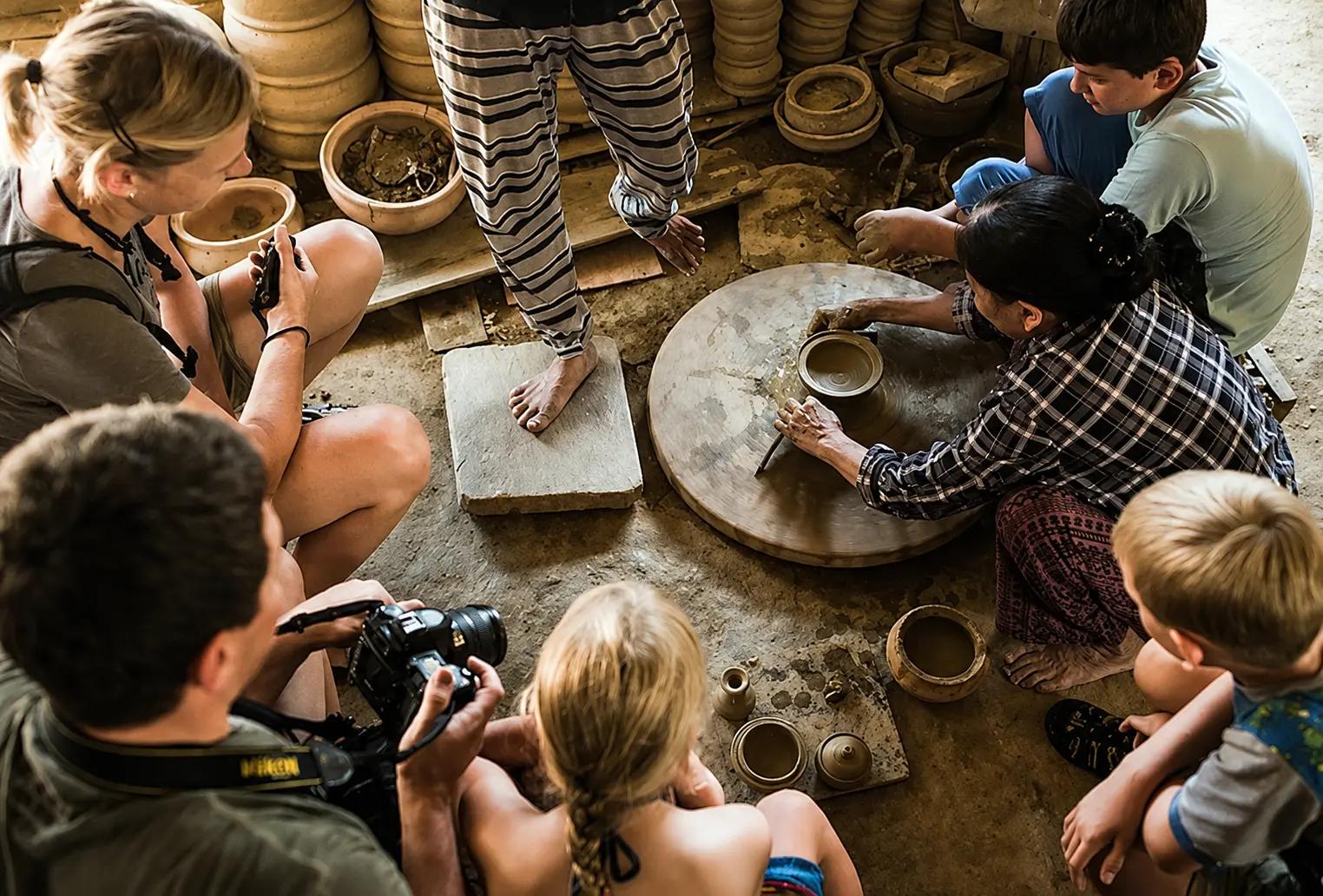
At Thanh Hà you sit at a kick wheel and shape your own pot or whistle toy with a potter guiding your hands. It is harder than it looks and the potters are patient about that. Fired pieces can be collected a few days later or shipped home — ask before you start if you are leaving the next morning.
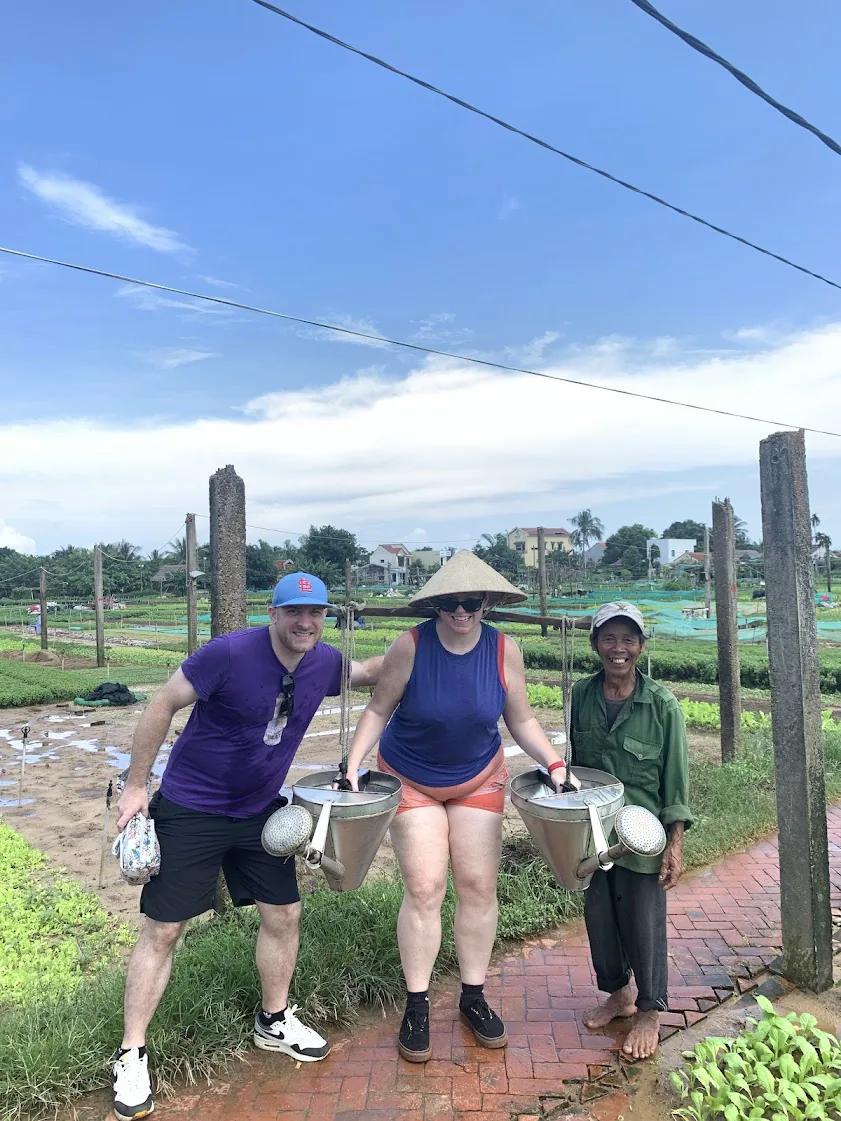
At Trà Quế you join the morning routine: planting, watering with the traditional twin-can scoop, and on some visits a foot massage using crushed herb leaves. Then you eat the herbs in a meal cooked with what you picked.
Timing matters more than at most stops. The pottery drying yards look best in dry-season morning light, and Trà Quế is at its most alive before 9am while the farmers are watering. Both villages are quietest and coolest in the morning, which is why we schedule them early rather than as an afternoon filler.
How do you visit the craft villages from Hoi An?

Both villages sit 3 to 5km from the Old Town. The full-day Old Town and villages tour is the route that visits both: you try the wheel at Thanh Hà, work a vegetable bed at Trà Quế, then walk the Ancient Town in the afternoon. If you would rather see crafts that are still a family's daily living, the countryside cycling tour and the countryside motorbike tour cross the river to Cẩm Kim Island instead, for woodcarvers, mat weavers and rice wine makers, with a home-cooked lunch.
Doing it yourself is easy enough: bicycles are free or near-free from most hotels, the roads are flat, and neither village needs a booking unless you want a pottery session or a cooking class. Taxis are 40,000–60,000 VND each way.
If you only have one free morning, choose by energy: bicycle if you want the paddies up close, boat-and-walk if you want the river, car if you are travelling with small children or grandparents. Either way, go before 9am. These are working places first and visitor stops second, and that is exactly why they are worth going.
Where the craft villages fit in a Hoi An trip

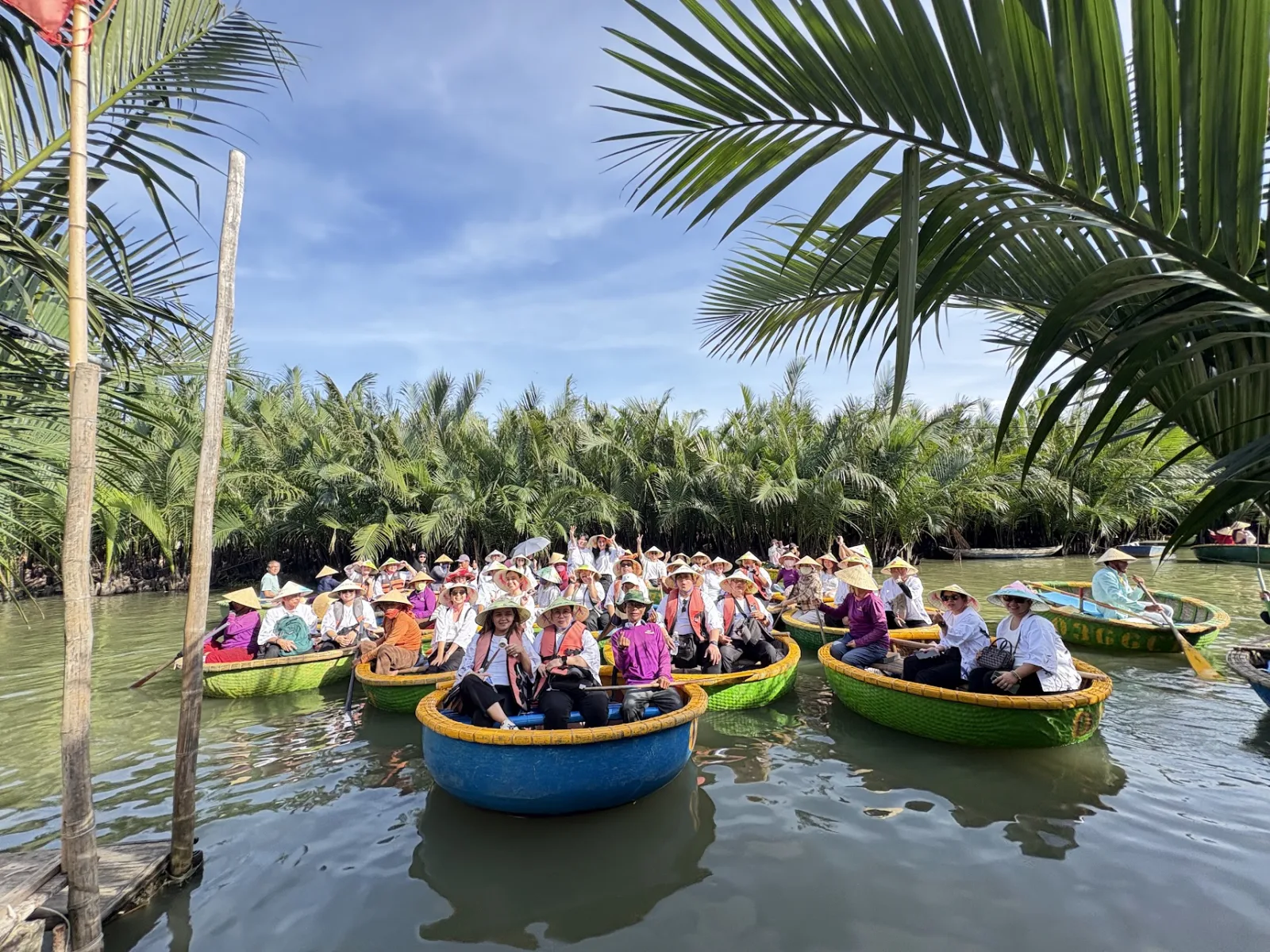
On a two-day trip, skip them — two days belong to the Old Town and one countryside half-day, and the Cam Thanh basket boats are the better use of that half-day with limited time.
On three days or more, the craft villages are the morning that changes how the rest of the trip reads. Everything you buy in the Old Town — the pottery, the herbs on every plate — comes from within five kilometres, and seeing the source turns a souvenir street into something with a supply chain behind it. The 3-day itinerary puts them on the second morning.
Buying pottery to take home
Thanh Hà pieces are unglazed terracotta, fired at low temperature. That gives them the warm colour and the earthy finish, and it also means they are porous and more fragile than glazed ceramics. A few things are worth knowing before you buy.
- Small travels, large does not. Whistle toys, small pots and incense holders wrap easily and survive a suitcase. Anything big needs proper packing or shipping, so get a written price for the shipping before you pay for the piece.
- Decorative, not for cooking. Unglazed terracotta absorbs liquids and oils. Use the pots for plants and display, not for food.
- Buy from the workshop. The same pieces are sold in Old Town shops at a mark-up. At Thanh Hà the money goes straight to the family who made them, and you can watch them being made first.
- Your own piece. If you throw a pot at the wheel, it needs days to dry and fire. Ask whether they can ship it to your home before you start, if you leave the next day.
Near the village there is also a terracotta park, where potters have built small clay models of famous buildings from around the world. It suits children and a quick photo more than anyone looking for the working village. The workshops are the reason to come.
If you can only do one
If you only have time for one craft village, choose by what you want to take away. Choose Thanh Hà if you want to make something: the kick wheel is the most hands-on half-hour in the area, and children love it. Choose Trà Quế if you want to understand what you eat: after an hour in the herb beds, every plate in town reads differently. Both are good; neither is essential. What is essential is going in the morning.
FAQ
A few practical follow-up questions
Only the questions that sit naturally inside this article are shown here, so the page stays focused.
Article FAQ
Thanh Ha has been making pottery since the early 16th century — about 500 years. It was founded by families who migrated from Thanh Hoa province during the Trinh–Nguyen civil wars and named the village after their old homeland. Around 23 craftsman families still work there today.
Tra Que farmers fertilize their herb beds with algae and seaweed collected from the nearby lagoon, and the village sits on moist, porous alluvial soil. The combination gives the scallions, cilantro and perilla their famous cinnamon-and-tea-flower aroma — strong enough that a Nguyen dynasty king renamed the village after tasting them in the 18th century.
Yes. For a small entrance fee you sit at a kick wheel and shape a pot or whistle toy with a potter guiding your hands. Pieces fire for eight hours at 600–900 degrees, so finished work is collected a few days later or shipped to your home address.
Before 9am. Farmers water the Tra Que herb beds early and the pottery drying yards get soft morning light, while midday is hot and the villages slow down for lunch. Morning visits also match the working rhythm of both villages, which is the whole point of going.
Comfortably, yes — they sit on opposite sides of the Old Town but only about 6km apart, and 45 minutes at Thanh Ha plus 30 at Tra Que fits inside a half day with time to cycle between them. If you want a pottery session and a cooking class as well, that is a full day and you should pick one.
Same topic
More in this topic
If this topic is close to your trip, these notes stay within the same planning lane without sending you off into a wider archive.
Related tours
If you want to turn the note into a real plan
These tours sit closest to the topic you just read, so the next step stays grounded in the actual route options.
FULL-DAY TRIP
Hoi An Full-Day Old Town and Villages Tour
One full day covering the Ancient Town on foot and the craft villages across the river: Japanese Bridge, merchant houses, Kim Bong carpentry, Thanh Ha pottery and a riverside lunch.
About 8 hours
Explore the Hoi An Full-Day Old Town and Villages Tour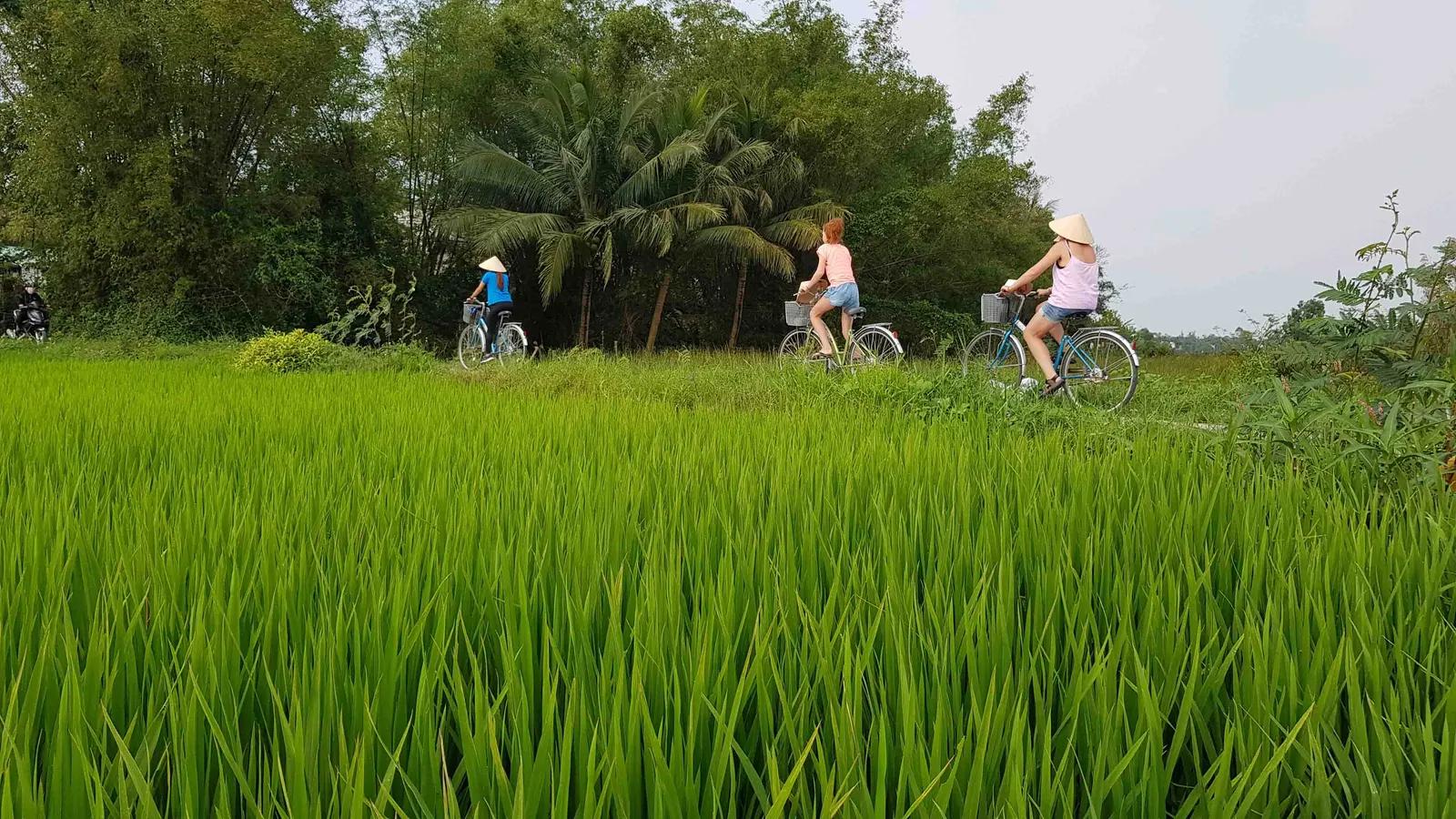
FULL-DAY TRIP
Hoi An Countryside Cycling Tour
Hoi An Countryside Cycling Tour
About 5 hours
Explore the Hoi An Countryside Cycling TourNext step
If you want to turn this into a real route, start with the tours
Use the article for context, then move into the private tour pages when you want to compare the actual route styles more directly.